

As internet usage continues to skyrocket, service providers must adapt their network infrastructure to meet growing demands. This shift has put a spotlight on Next-Gen ONU (Optical Network Unit) and OLT (Optical Line Terminal) technologies, which are crucial for delivering high-speed fiber-optic connectivity. Many providers are now migrating from legacy fiber network systems to next-gen fiber network solutions to improve performance, scalability, and efficiency. Understanding the key differences between these technologies is essential for making informed network investment decisions.
What Are ONU and OLT?
Before diving into the differences between legacy and next-gen solutions, let’s briefly define ONU and OLT:
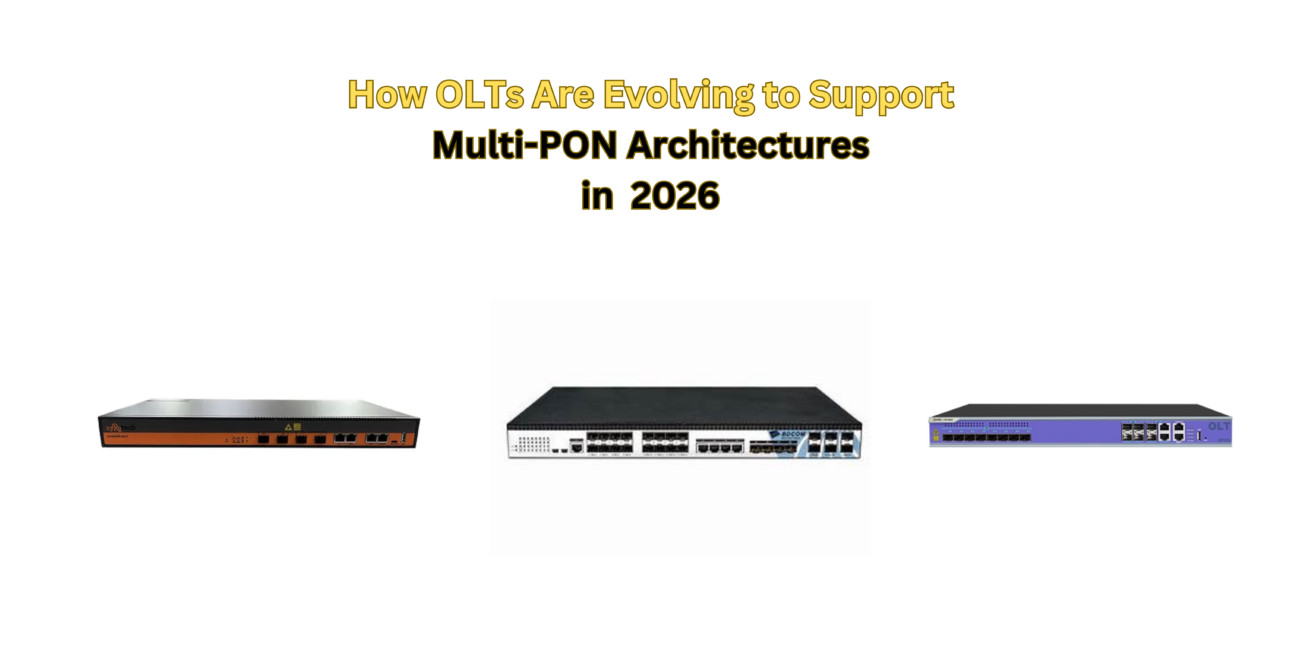
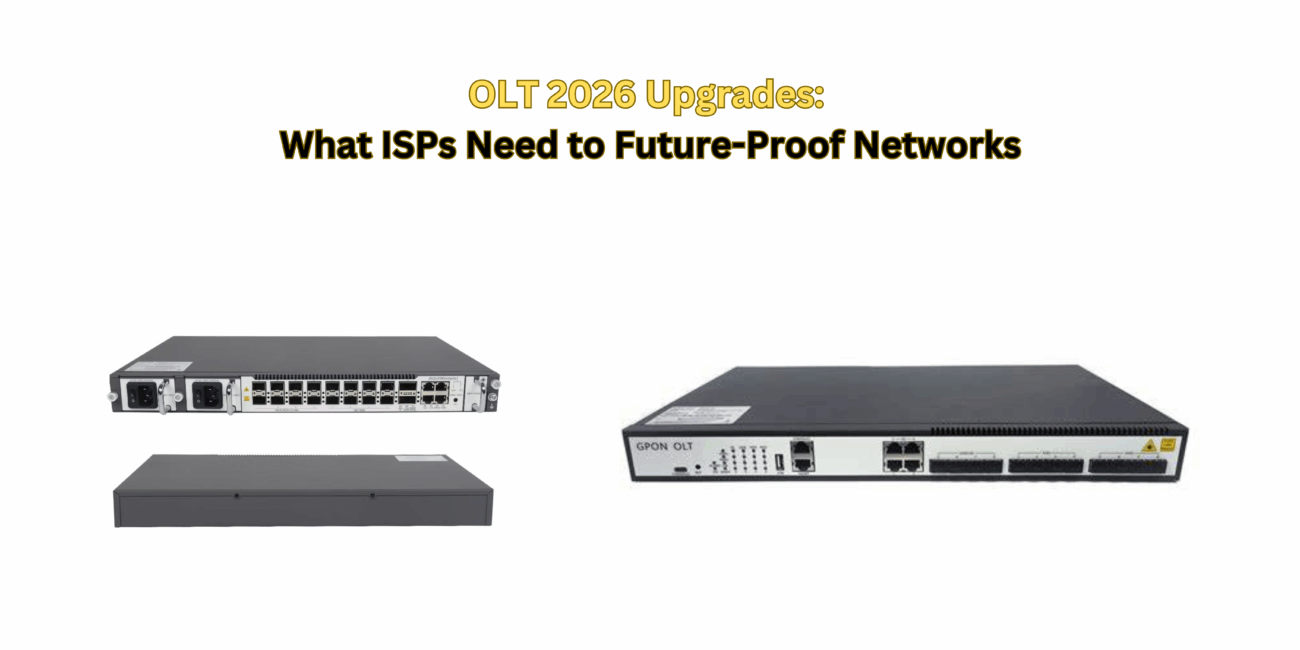
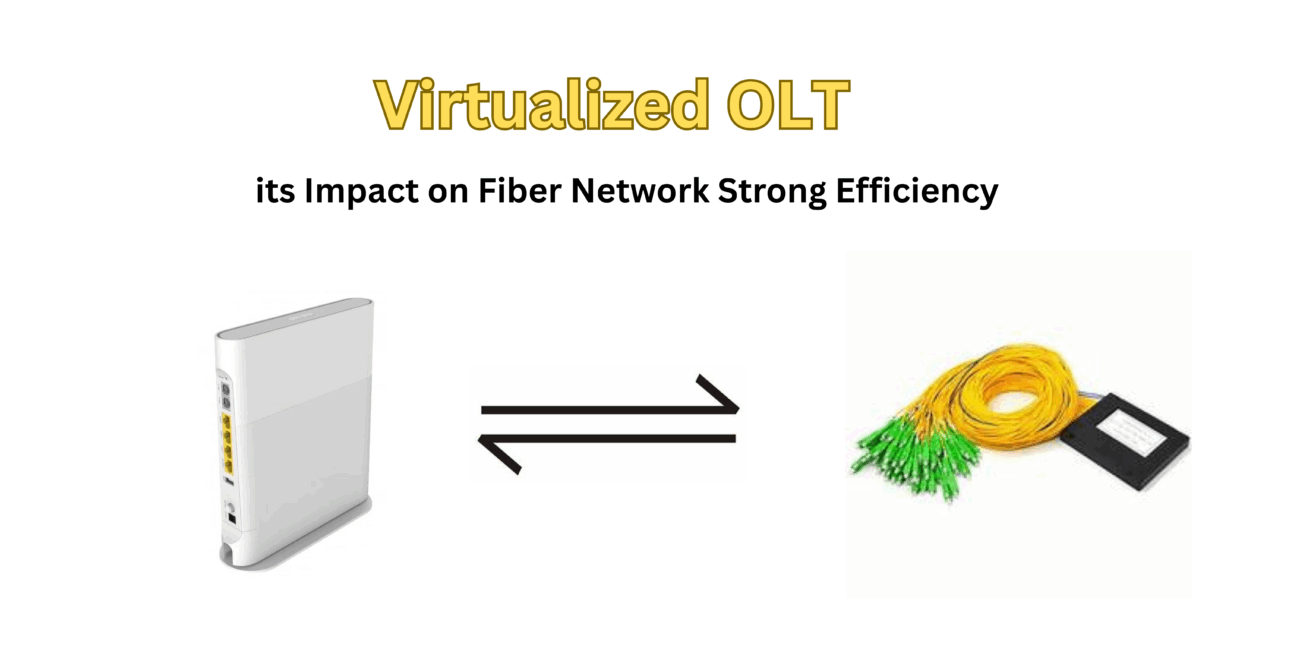
- OLT (Optical Line Terminal): Located at the service provider’s central office, the OLT is responsible for managing and coordinating network traffic between the backbone internet and multiple ONUs. It converts electrical signals into optical signals and distributes bandwidth to customers.
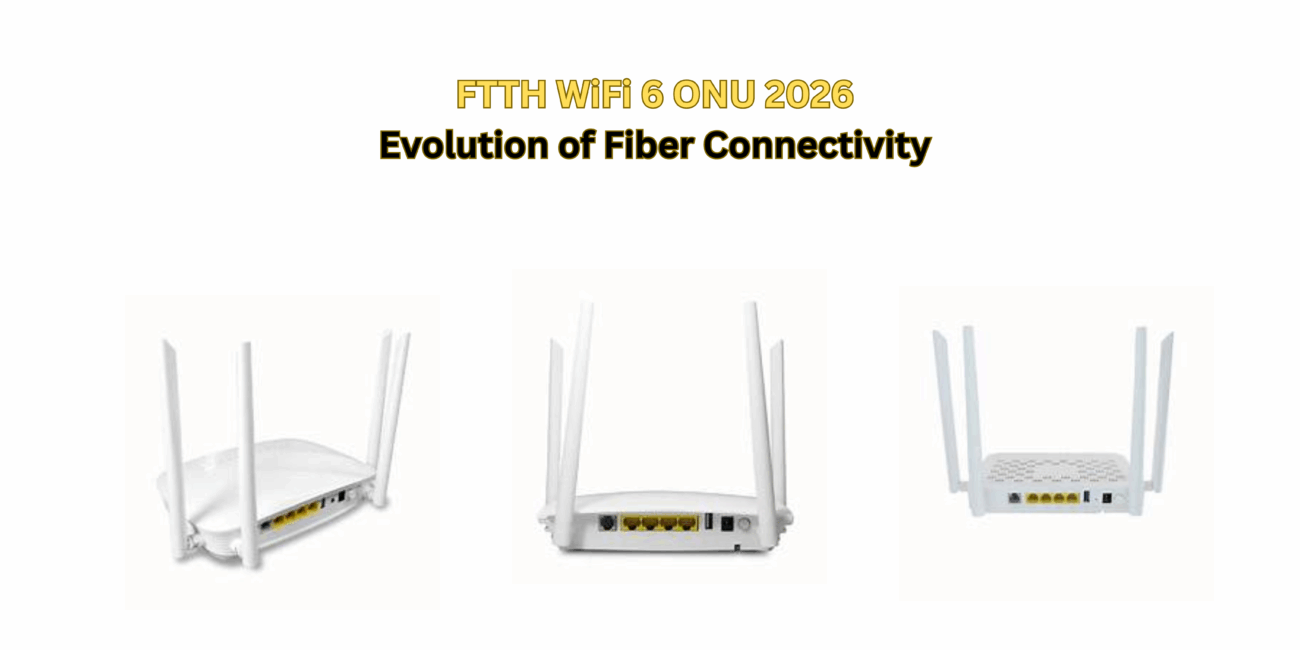
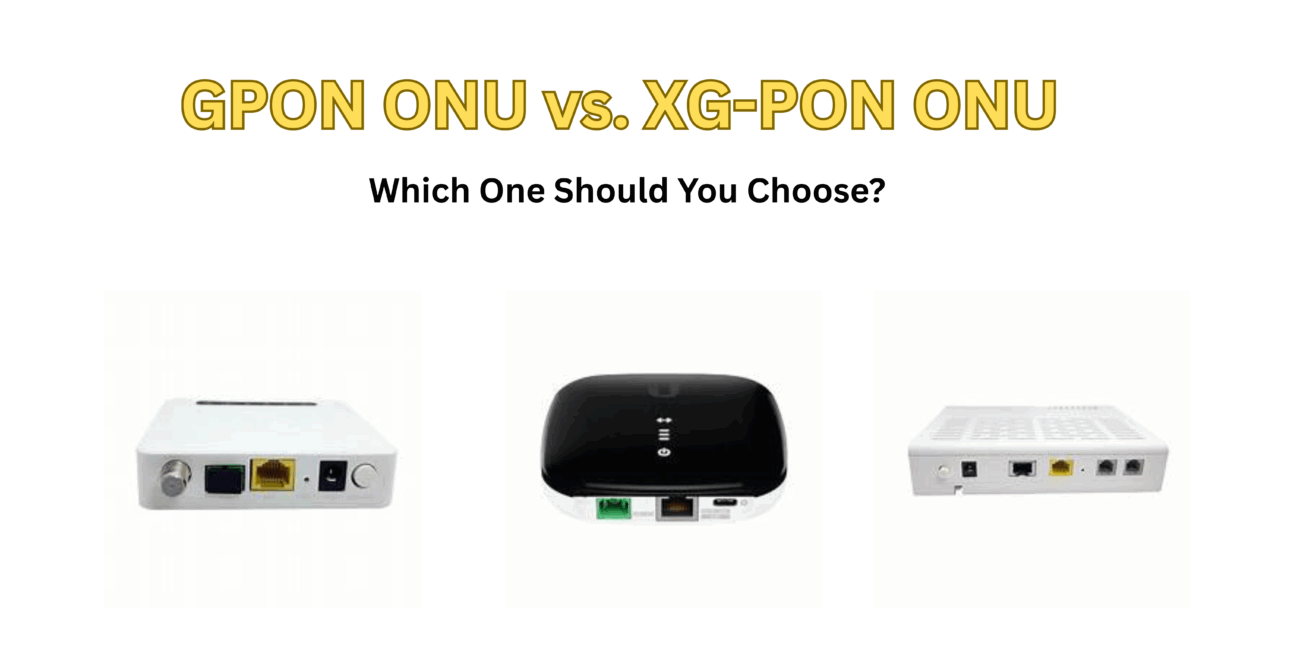
- ONU (Optical Network Unit): Installed at the customer’s premises, the ONU receives the optical signal from the OLT and converts it into an electrical signal that can be used by end-user devices like routers and computers.
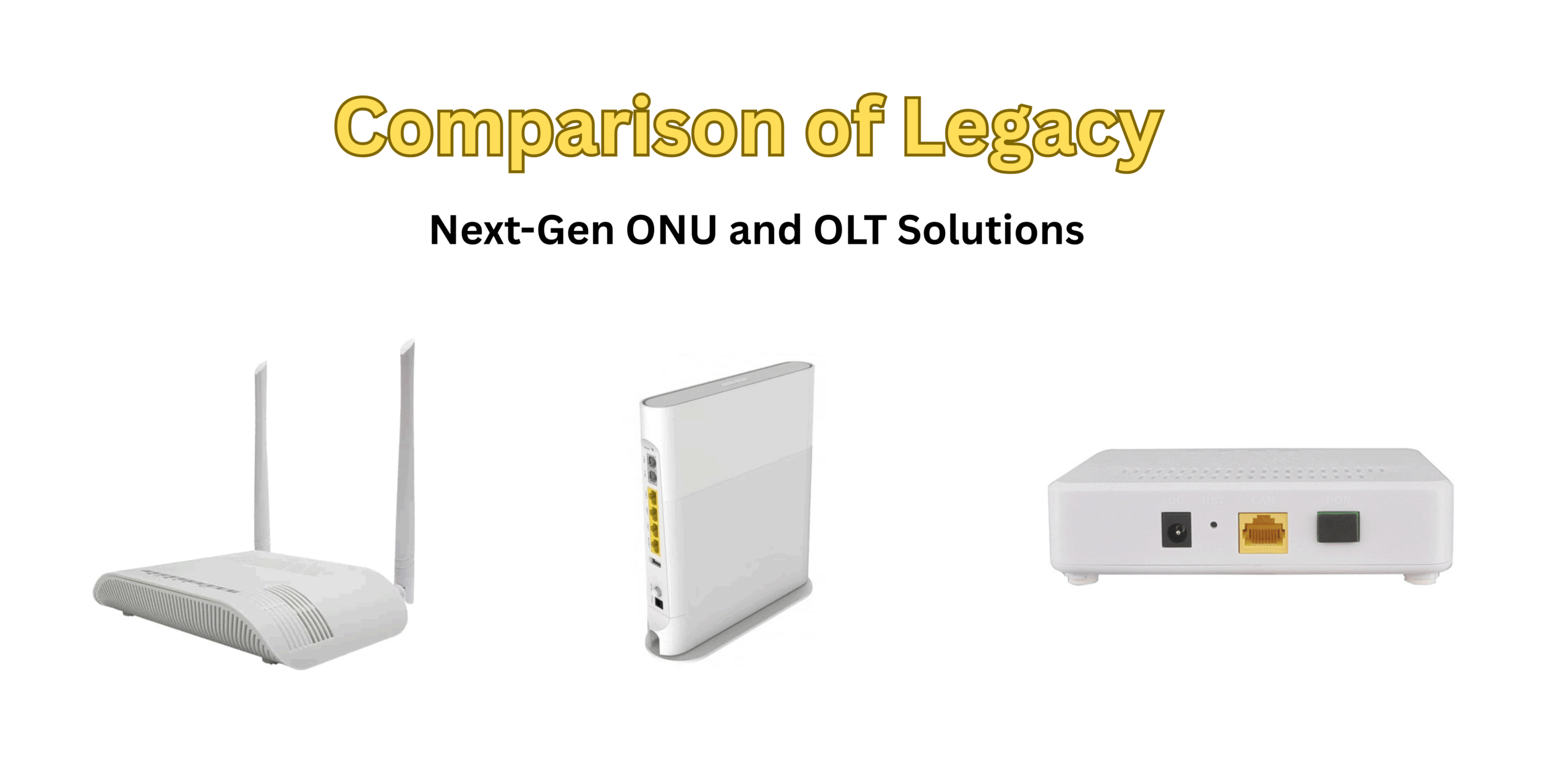
Together, ONU and OLT form the core components of Passive Optical Network (PON) architectures, which are widely used for fiber-to-the-home (FTTH) and fiber-to-the-premises (FTTP) deployments. However, as technology advances, traditional systems are struggling to keep up with modern requirements.
Limitations of Legacy Next-Gen ONU and OLT Solutions
Legacy ONU and OLT solutions typically rely on GPON (Gigabit Passive Optical Network) technology, which provides a maximum downstream speed of 2.5 Gbps and an upstream speed of 1.25 Gbps per fiber. While this was sufficient a decade ago, modern applications require significantly higher speeds.
1. Limited Bandwidth and Scalability
Legacy GPON-based networks have fixed bandwidth limitations, making them less adaptable to increasing user demands. With the rise of 4K/8K streaming, cloud computing, and IoT devices, legacy ONU and OLT systems struggle to provide the necessary speeds and network flexibility.
2. Higher Latency and Inefficiency
Traditional ONU and OLT architectures use older transmission methods that introduce latency, causing slower response times. This is a major drawback for applications that require real-time performance, such as online gaming, video conferencing, and industrial automation.
3. High Maintenance and Operational Costs
Legacy fiber network systems require manual configuration and frequent hardware maintenance. Unlike modern next-gen fiber network solutions, these outdated systems do not support automation or AI-driven management, leading to higher operational costs.
4. Incompatibility with New Technologies
Older ONU and OLT solutions are not designed to support next-generation technologies like XGS-PON (10G-PON), NG-PON2, and 5G backhaul. This lack of future-proofing forces service providers to invest in costly network overhauls when upgrades become necessary.
Advantages of Next-Gen ONU and OLT Solutions
Modern ONU and OLT solutions overcome the limitations of legacy systems by leveraging advanced fiber-optic technologies. Next-gen fiber network deployments use XGS-PON, NG-PON2, and WDM-PON to deliver superior speeds, lower latency, and better scalability.
1. Higher Bandwidth and Capacity
Unlike GPON, which is capped at 2.5 Gbps, next-gen ONU and OLT systems support much higher bandwidth:
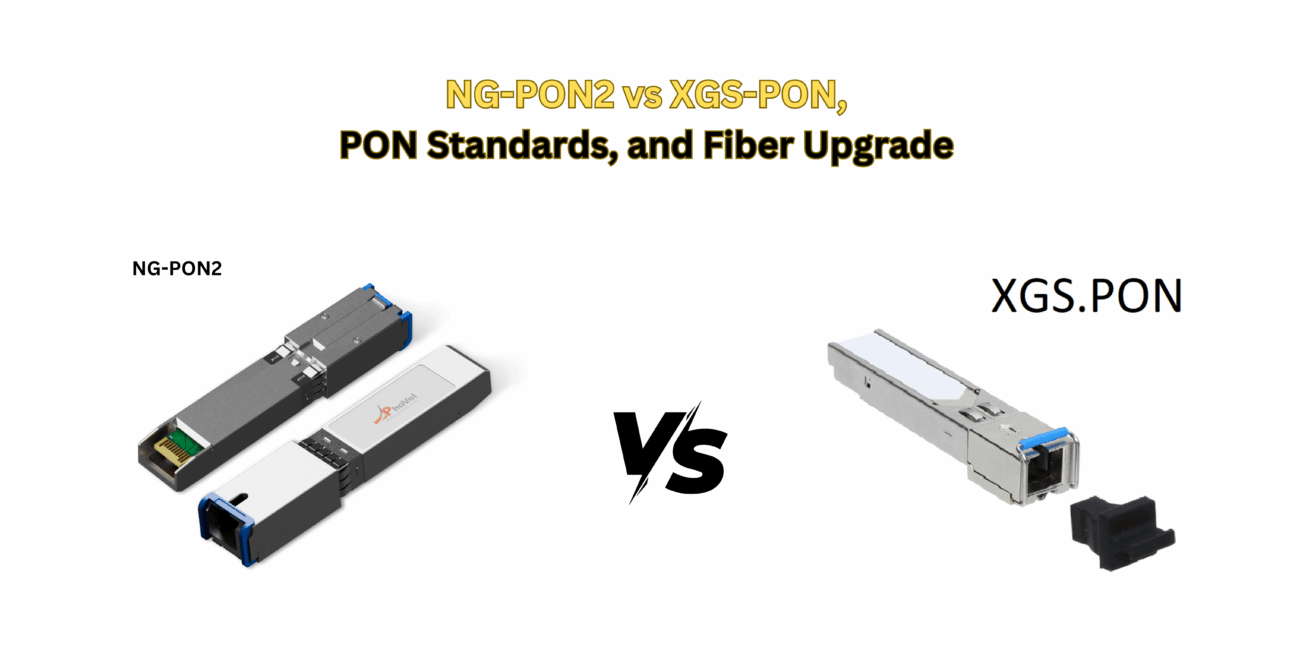
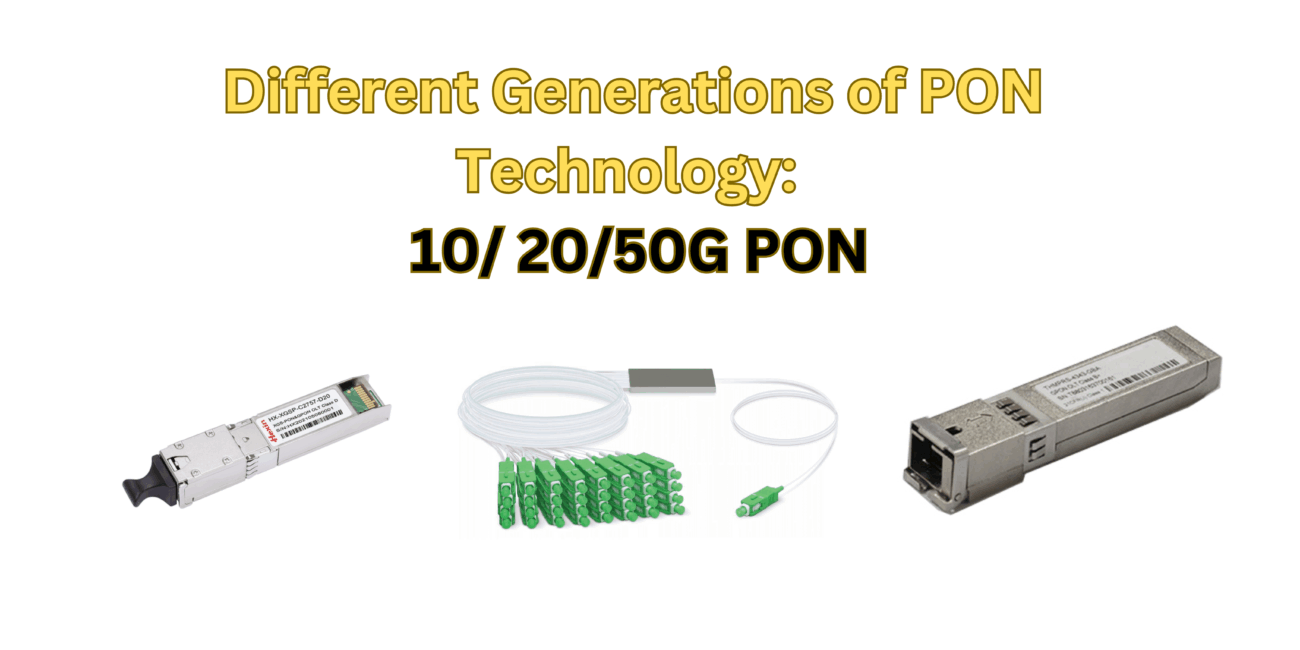
- XGS-PON: Provides symmetrical 10 Gbps speeds (both downstream and upstream).
- NG-PON2: Offers up to 40 Gbps by utilizing multiple wavelengths.
- WDM-PON: Uses wavelength-division multiplexing to increase capacity even further.
These technologies enable service providers to accommodate future bandwidth demands without constant hardware upgrades.
2. Next-Gen ONU and OLT Ultra-Low Latency for Modern Applications
Next-gen ONU and OLT solutions optimize traffic management using dynamic bandwidth allocation (DBA) and wavelength-division multiplexing (WDM). This results in ultra-low latency, making them ideal for applications like AR/VR, smart factories, and remote medical procedures.
3. Reduced Operational Costs with AI-Driven Management
Next-gen fiber network technology integrates AI and software-defined networking (SDN) for automated network provisioning, monitoring, and troubleshooting. This reduces the need for manual intervention, lowering operational costs and improving service reliability.
4. Future-Proof and Scalable Infrastructure
Unlike legacy systems, next-gen ONU and OLT solutions are designed for long-term scalability. They support backward compatibility, allowing service providers to transition gradually while future-proofing their networks for new advancements.
Comparing Legacy vs. Next-Gen ONU and OLT Solutions
The table below summarizes the key differences between legacy and next-gen ONU and OLT solutions:
| Feature | Legacy ONU & OLT | Next-Gen ONU & OLT |
| Bandwidth | 2.5 Gbps (GPON) | 10 Gbps+ (XGS-PON, NG-PON2) |
| Latency | Higher | Ultra-low |
| Scalability | Limited | High scalability |
| Operational Costs | High due to manual maintenance | Lower with automation and AI |
| Technology Support | GPON only | XGS-PON, NG-PON2, WDM-PON, 5G |
| Efficiency | Less efficient | AI-driven optimization |
Why Service Providers Are Upgrading to Next-Gen ONU and OLT
The transition from legacy fiber network systems to next-gen fiber network technology is essential for several reasons:
1. Growing Demand for High-Speed Internet
Modern consumers expect gigabit-speed internet for video streaming, cloud computing, and IoT applications. Legacy GPON systems cannot support these demands, whereas next-gen ONU and OLT solutions provide the necessary bandwidth.
2. Cost-Effective in the Long Run
Although next-gen fiber deployments require an initial investment, they result in long-term cost savings. Lower maintenance costs, automated management, and energy-efficient components make them a more economical choice.
3. Competitive Advantage for ISPs
Internet service providers (ISPs) that adopt next-gen ONU and OLT solutions can offer premium services such as symmetrical gigabit speeds, ultra-low latency, and advanced cybersecurity features. This helps them attract and retain customers in a highly competitive market.
4. Enhanced Customer Experience
Next-gen fiber solutions ensure uninterrupted connectivity, reducing service outages and buffering issues. This improves user satisfaction and reduces customer churn rates.
Challenges in Transitioning to Next-Gen ONU and OLT
Despite their benefits, migrating to next-gen ONU and OLT solutions presents some challenges:
1. Initial Infrastructure Investment
Deploying new fiber-optic equipment and upgrading existing infrastructure requires a significant financial commitment. However, the long-term benefits outweigh the initial costs.
2. Training and Skill Development
Service providers must train their technicians and engineers to manage and operate next-gen fiber network systems. Investing in workforce development is crucial for a smooth transition.
3. Compatibility with Legacy Networks
Some ISPs operate hybrid networks that combine legacy and next-gen systems. Ensuring seamless interoperability requires careful planning and phased deployment strategies.
Conclusion: Next-Gen ONU and OLT
The evolution from legacy fiber network systems to next-gen fiber network technology is no longer optional—it’s a necessity. Next-gen ONU and OLT solutions offer significant improvements in bandwidth, latency, scalability, and cost-efficiency.
For service providers aiming to stay ahead of the competition and future-proof their networks, investing in next-gen fiber solutions is the best path forward. By embracing these advancements, ISPs can deliver ultra-fast, reliable, and high-performance internet services that meet the ever-growing demands of modern consumers.