

As we step into a new era of digital transformation, XGS-PON 2026, the 10G fiber network, and the FTTH future are converging to redefine global broadband infrastructure. Around the world, telecom operators, governments, and technology providers are accelerating investments in high-speed networks to meet the surging demand for ultra-low latency, massive capacity, and future-ready connectivity. At the center of this revolution is XGS PON, a technology that delivers symmetrical 10 gigabit-per-second speeds, setting the foundation for next-generation fiber-to-the-home (FTTH) deployments.
Understanding XGS-PON: Technology at the Core of FTTH Future
What is XGS-PON?
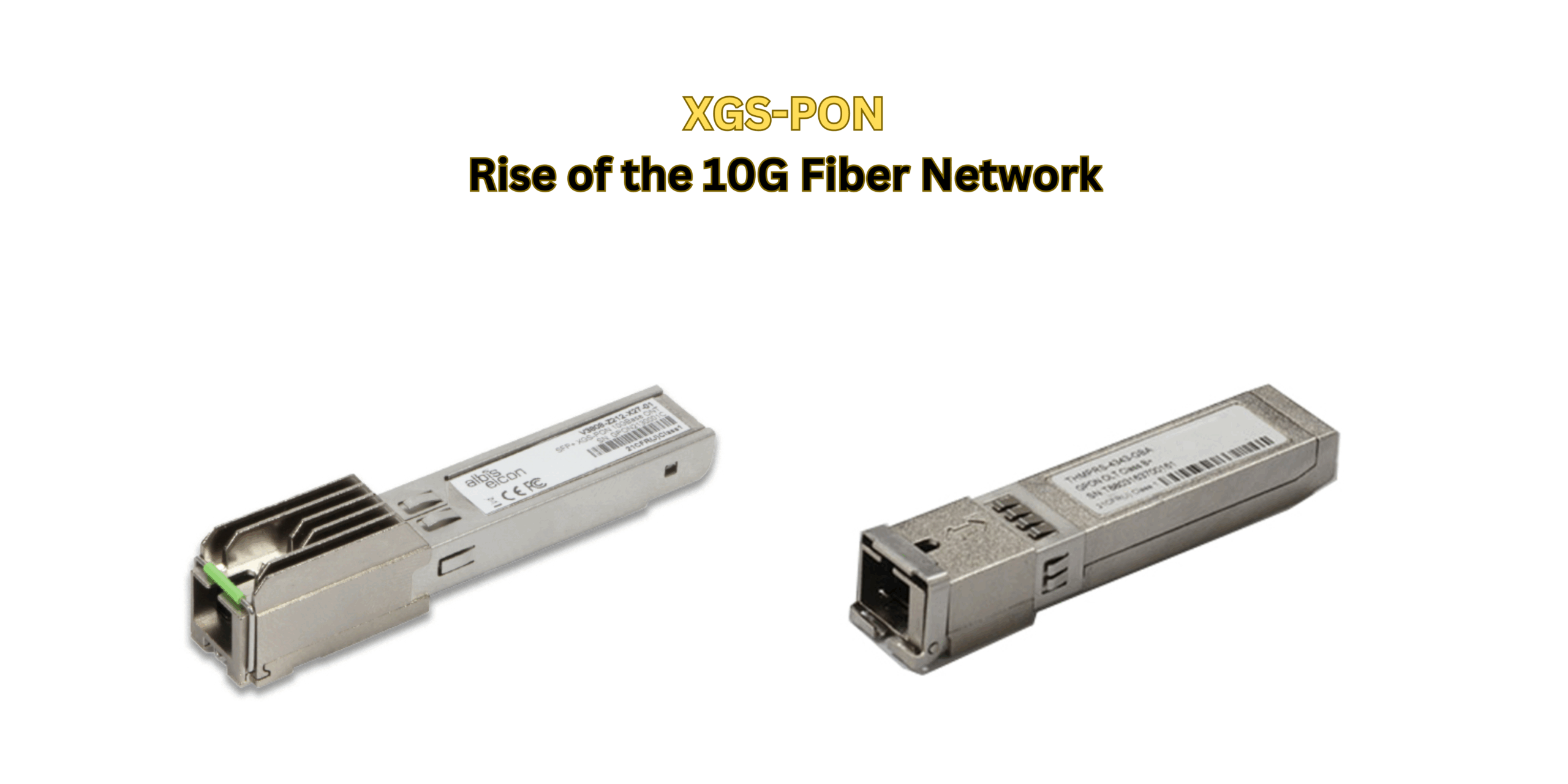
XGS PON, or 10-Gigabit-capable Symmetric Passive Optical Network, is the latest evolution of passive optical networking. Unlike GPON, which provides 2.5 Gbps downstream and 1.25 Gbps upstream, enables 10 Gbps symmetrical speeds, making it the perfect enabler for high-capacity residential, enterprise, and smart city applications.
Why XGS-PON is Key for 10G Fiber Network Growth
The 10G fiber network powered by XGS PON addresses modern challenges like 8K streaming, cloud gaming, and telemedicine while preparing infrastructure for AI-driven services and IoT. Its ability to provide symmetrical bandwidth ensures seamless upstream-heavy applications such as video conferencing, remote work, and big data processing.
Market Trends
Global Adoption Rates and Investments
By 2026, global adoption of XGS-PON will be at its peak. Telecom operators in North America, Europe, and Asia are investing billions into fiber infrastructure upgrades, transitioning from GPON to XGS PON as demand for 10G services skyrockets.
Telecom Operators Driving Deployment
Leading ISPs such as AT&T, Verizon, and China Telecom are already scaling their FTTH future with nationwide rollouts of XGS-PON. By leveraging government-backed broadband expansion initiatives, these operators are laying the groundwork for widespread gigabit-class access.
Benefits of 10G Fiber Network Expansion
Unmatched Speed and Capacity
With symmetrical 10G fiber network capabilities, XGS-PON supports multiple high-bandwidth users simultaneously without degradation, ensuring consistent performance across households and enterprises.
Scalability and Future-Proofing
XGS-PON enables network operators to scale bandwidth easily, reducing the need for costly infrastructure overhauls. This scalability secures the FTTH future by supporting emerging technologies such as AR/VR, smart grids, and autonomous vehicles.
Low Latency and Reliability
By minimizing latency, XGS PON enhances real-time applications, critical for healthcare diagnostics, stock trading, and cloud computing environments.
FTTH Future: Use Cases in 2026
Smart Cities and IoT Integration
The backbone of smart cities relies on 10G fiber networks. From intelligent traffic systems to real-time surveillance, it ensures the infrastructure can handle millions of IoT connections simultaneously.
Enterprise Connectivity and Cloud Services
Enterprises demand low-latency, high-capacity connections to manage cloud applications and AI-driven analytics. With XGS-PON, companies can securely handle large-scale data transfers without bottlenecks.
Residential FTTH and 8K Streaming
The FTTH future will make 8K video streaming, immersive VR gaming, and smart home ecosystems a reality, powered by seamless deployments.
Comparing XGS-PON with Other Fiber Technologies
XGS-PON vs. GPON
GPON remains cost-effective but falls short in speed and capacity compared to XGS- ON. As more devices and higher data consumption strain networks, the shift to becomes inevitable.
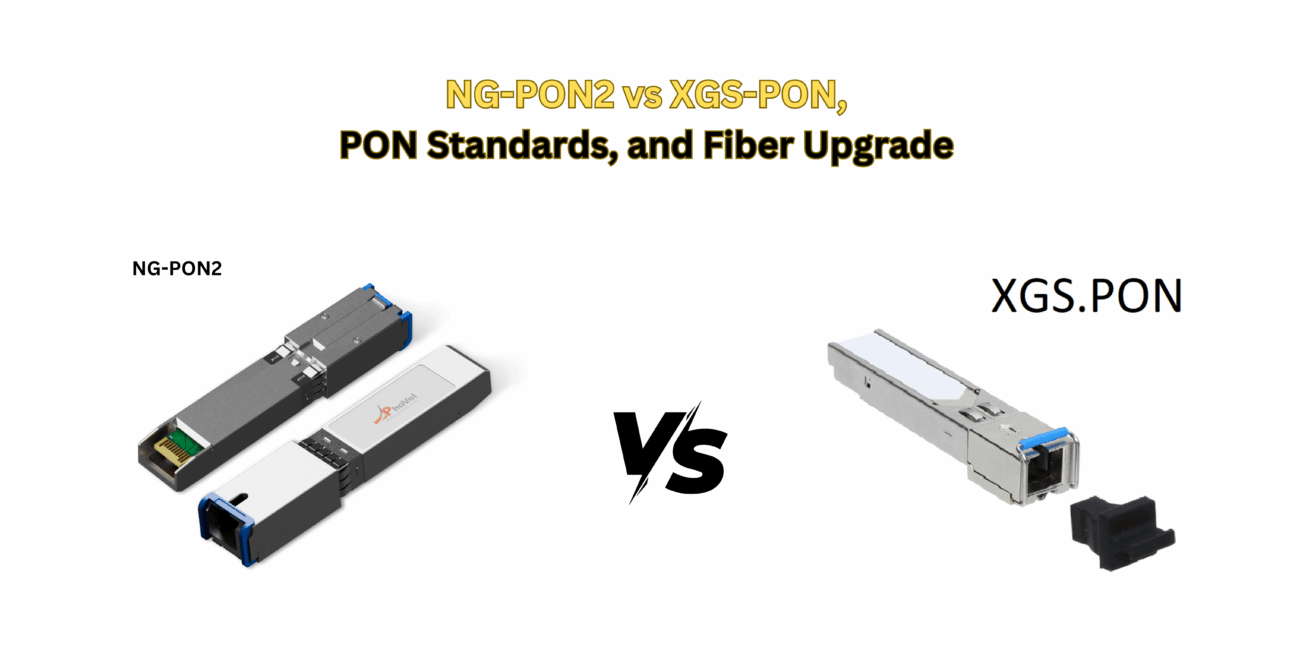
XGS-PON vs. NG-PON2
While NG-PON2 offers higher scalability through multiple wavelengths, it remains costlier and more complex. FTTH strikes the right balance between affordability and performance, making it the preferred choice in 2026.
Challenges of Deploying XGS-PON in 2026
Infrastructure Costs
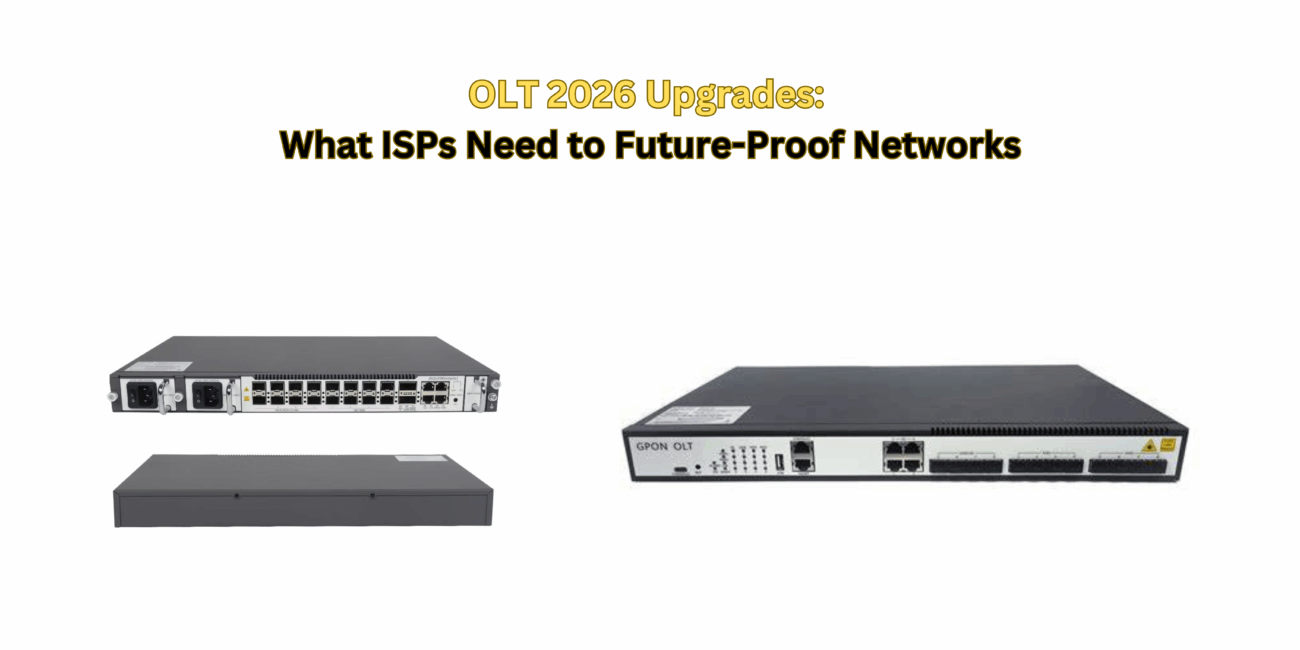
Rolling out nationwide 10G fiber networks requires significant investment in fiber cabling, optical line terminals, and customer premises equipment.
Technical Barriers
Deploying XGS-PON demands expertise in network design, wavelength management, and integration with legacy systems.
Regulatory and Policy Factors
Broadband initiatives and government policies play a pivotal role in accelerating or slowing down deployments, especially in rural areas.
Future Outlook: The Role of XGS-PON in the FTTH Landscape
Predictions for 2030 and Beyond
Experts predict even higher-speed technologies like 25G-PON and 50G-PON will build on the foundation laid by XGS PON, ensuring the FTTH future continues to evolve.
Integration with Emerging Technologies (AI, 5G, Edge Computing)
The synergy of 10G fiber networks with AI-driven automation, 5G backhaul, and edge computing will create ultra-reliable, intelligent ecosystems.
FAQs About XGS-PON and 10G Fiber Network
Q1: What makes XGS PON different from GPON?
A1: It provides 10 Gbps symmetrical speeds, while GPON offers 2.5 Gbps downstream and 1.25 Gbps upstream.
Q2: How will XGS PON benefit residential users in 2026?
A2: It enables seamless 8K streaming, VR gaming, and smart home applications without buffering or downtime.
Q3: Is XGS-PON cost-effective for telecom operators?
A3: Yes. While the initial investment is high, scalability and long-term performance make it cost-efficient.
Q4: Can XGS-PON support enterprise-grade cloud applications?
A4: Absolutely. Its low latency and high bandwidth make it ideal for cloud services and AI-powered business operations.
Q5: Will XGS-PON be replaced soon?
A5: No. While 25G-PON and 50G-PON are on the horizon, it will remain the dominant standard for years.
Q6: How does XGS PON impact the FTTH future?
A6: It acts as the backbone for next-generation broadband, powering everything from smart cities to enterprise data networks.
Conclusion: XGS-PON 2026 – Powering the Next Wave of Connectivity
The synergy between XGS-PON 2026, the 10G fiber network, and the FTTH future represents a transformative leap in global broadband connectivity. With its unmatched speeds, scalability, and reliability, it is not just a technological upgrade—it is the driving force shaping the digital economy of tomorrow. As telecom operators expand nationwide deployments, businesses, governments, and households alike will thrive in an ecosystem powered by ultra-fast, future-ready fiber networks.