
Knowledge

What is an OLT? Complete Guide to Optical Line Terminal in Fiber Networks

olt

The Optical Line Terminal, commonly referred to as the OLT, acts as the service provider endpoint of a passive optical network (PON). It serves as the central brain of a fiber optic access network, converting electrical signals used by the provider’s core network into optical signals for transmission over fiber optic lines to end-users. For businesses involved in network infrastructure, understanding the capabilities and strategic value of an OLT is crucial for delivering high-speed internet and data services. This device is not merely a piece of hardware but a foundational element that dictates the performance, scalability, and reliability of broadband services. In the context of wholesale and B2B procurement, selecting the right equipment ensures long-term operational stability and competitive advantage.

As the demand for bandwidth-intensive applications grows, the role of the OLT becomes increasingly significant in modern telecommunications. It functions as the aggregation point, managing data traffic between the larger metropolitan network and the subscribers. For wholesale buyers and network operators, investing in high-quality OLT hardware is the first step toward building a future-proof network capable of supporting next-generation technologies. The market for these terminals is evolving rapidly, with manufacturers offering extensive customization options to meet specific deployment scenarios. This guide explores the intricacies of the Optical Line Terminal, emphasizing its function, market trends, and the strategic benefits of wholesale acquisition.

1. Why Understanding the Optical Line Terminal is Essential for Network Expansion

1.1 What is an OLT and Its Core Role in Fiber Networks?

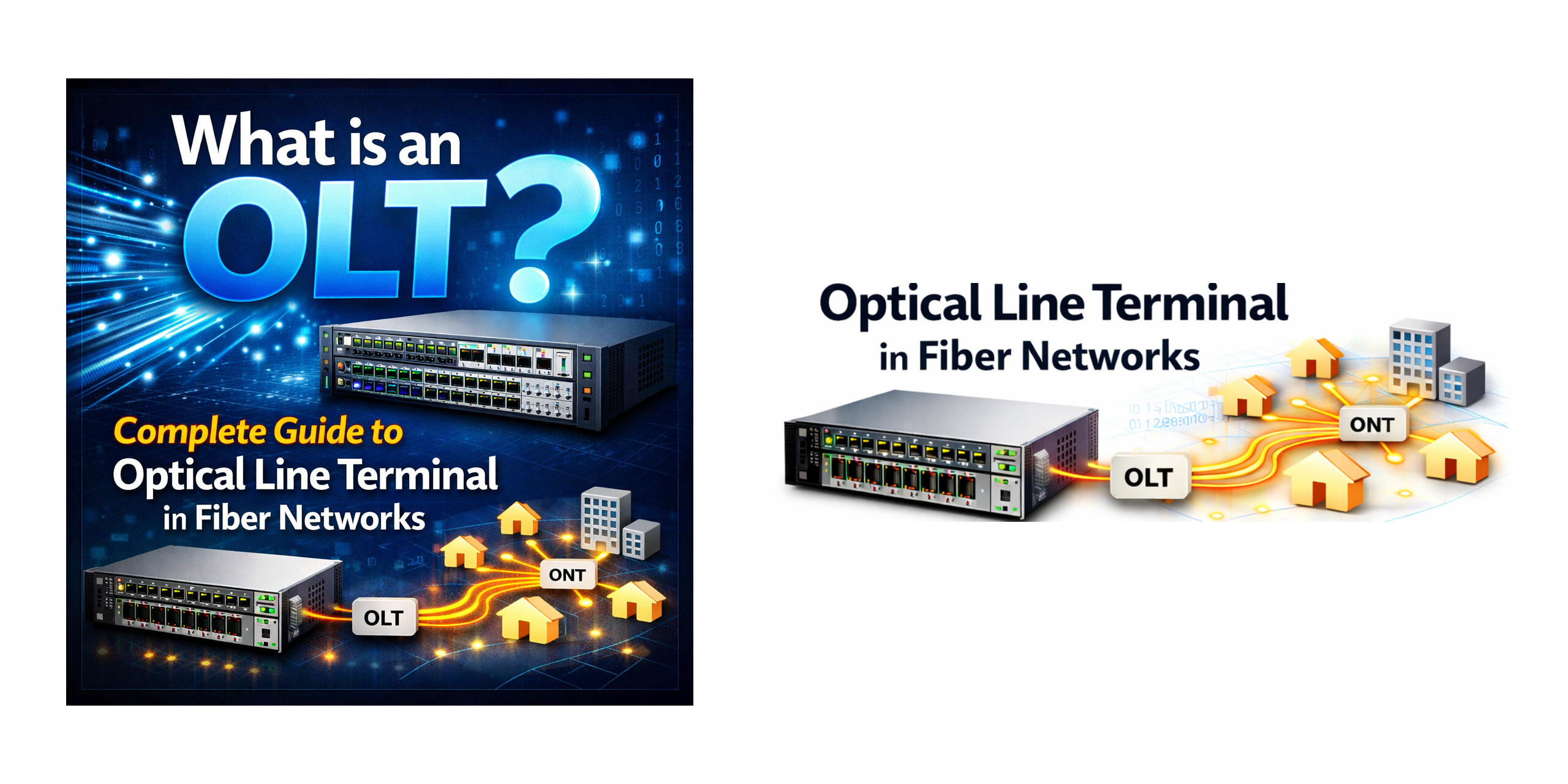
An Optical Line Terminal (OLT) is a critical hardware component installed at the central office of a service provider to facilitate communication over a Passive Optical Network (PON). Its primary function is to act as the aggregation point, receiving data from the wider internet network and converting it into optical signals suitable for transmission over fiber optic cables to Optical Network Units (ONUs) or Optical Network Terminals (ONTs) at the customer’s premises.

This conversion process is vital because it bridges the gap between the electrical signals of the core network and the optical signals required for the “last mile” fiber connection. Without a robust OLT, the high-speed capabilities of fiber optics cannot be effectively utilized to deliver gigabit speeds to end-users.

The architecture of an OLT is designed to handle high-density traffic, allowing multiple users to share a single fiber connection through time-division multiplexing. It supports various protocols such as GPON (Gigabit-capable Passive Optical Networks) and EPON (Ethernet Passive Optical Networks), with newer models increasingly supporting XGS-PON for symmetric 10G speeds. For wholesale buyers, understanding these protocol standards is essential when selecting equipment that aligns with their service offerings. The versatility of an OLT allows it to serve diverse environments, from residential apartment complexes to large-scale enterprise campuses, making it a universal solution for fiber deployment.

Furthermore, the OLT is responsible for managing the distribution of bandwidth among connected users. It ensures that Quality of Service (QoS) parameters are met, prioritizing critical traffic such as voice or video over less time-sensitive data transfers. This management capability is what enables service providers to offer consistent and reliable internet packages. In the wholesale market, the ability to customize these QoS settings is a significant selling point, as it allows Internet Service Providers (ISPs) to tailor their service level agreements (SLAs) to specific business clients. The OLT effectively acts as the traffic cop of the fiber network, ensuring orderly and efficient data flow.

Finally, the OLT serves as the monitoring and management hub for the access network. Through a Network Management System (NMS), operators can remotely configure, diagnose, and maintain the OLT and its connected ONUs. This centralized control is vital for reducing operational expenditures (OPEX) associated with truck rolls and manual maintenance. For businesses looking to scale their operations, choosing an OLT with advanced management features simplifies the process of network expansion. It allows for seamless integration of new users without compromising the performance of existing subscribers, highlighting the device’s pivotal role in network growth.

1.2 How Does an OLT Facilitate Data Transmission in PON Architecture?

The data transmission process within a Passive Optical Network relies heavily on the distinct operational modes of the OLT, specifically downstream and upstream transmission. In the downstream direction, data travels from the OLT to the user, utilizing a continuous wave of optical signals broadcast to all Optical Network Units (ONUs) on the network. The OLT encrypts data for each specific user, ensuring that while the signal reaches everyone, only the intended recipient can decrypt and read the information. This broadcasting mechanism is highly efficient, allowing the OLT to deliver high-speed data, video, and voice services simultaneously without the need for complex switching at the distribution point.

Conversely, upstream transmission involves data sent from the user back to the OLT, which operates on a Time Division Multiple Access (TDMA) mechanism. Since multiple users share the same optical fiber to send data back to the central office, the OLT allocates specific time slots for each ONU to transmit its signals. This precise scheduling prevents data collisions and ensures fair access to the upstream bandwidth. The OLT’s ability to dynamically manage these time slots based on network demand is a key factor in maintaining network stability and performance, particularly during peak usage hours. This dynamic bandwidth allocation (DBA) is a critical feature for wholesale buyers managing diverse client bases.

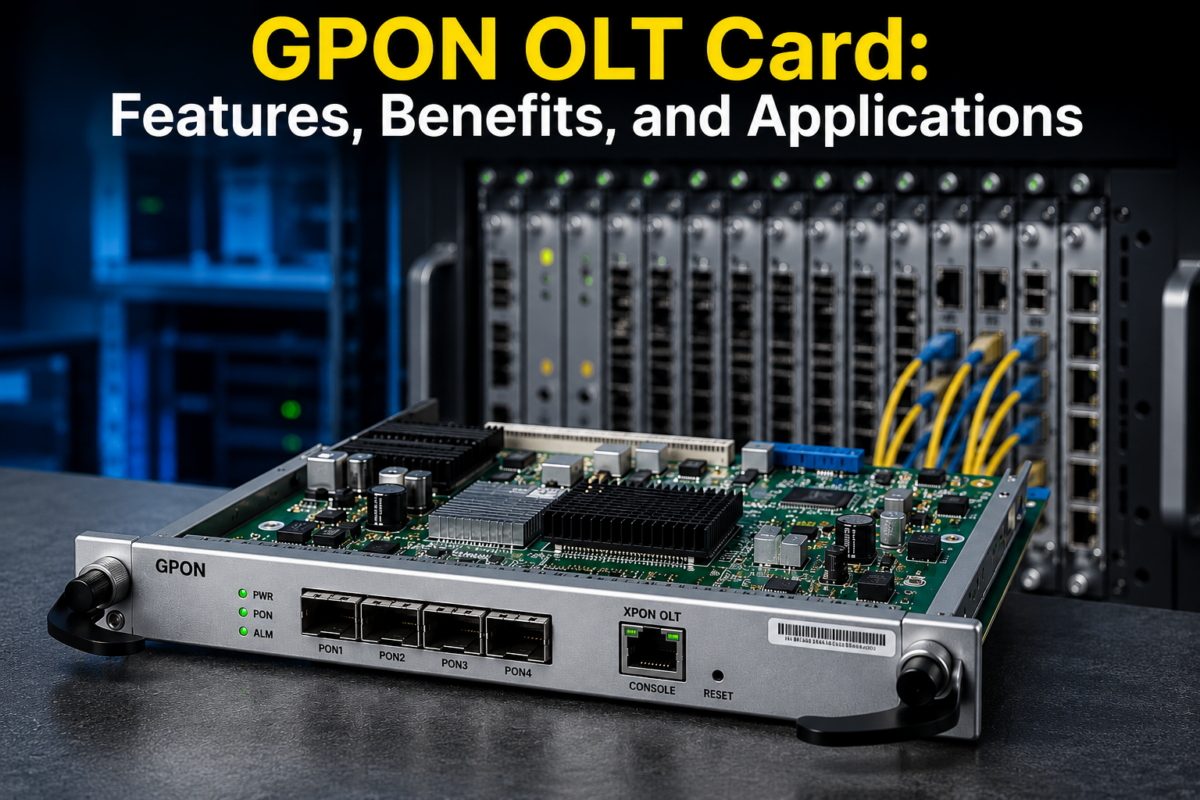
The OLT also houses the essential interface cards known as PON ports, with each port typically supporting up to 64 or 128 subscribers depending on the standard being used. This high split ratio maximizes the utilization of fiber infrastructure, significantly reducing the cost per connected user. For businesses focusing on network deployment, the density of PON ports in an OLT chassis directly impacts the scalability of the network. High-port-density OLTs allow for a smaller physical footprint in the data center, which translates to savings on real estate and power consumption. This efficiency is a major consideration when evaluating the total OLT cost and the return on investment for fiber projects.

Moreover, the OLT facilitates the integration of various service types, including internet protocol television (IPTV), VoIP, and high-speed internet, onto a single fiber platform. By multiplexing these services, the OLT simplifies the network architecture, reducing the need for separate infrastructures for different services. This convergence is highly beneficial for service providers looking to offer bundled packages to their customers. In the B2B sector, where clients often require unified communication solutions, the OLT’s ability to seamlessly blend these traffic types ensures a smooth and professional user experience. The device acts as the enabler of triple-play services, which remain a cornerstone of revenue for many telecommunications operators.

1.3 Why is the OLT the Heartbeat of ISP Operations?

The OLT is often described as the heartbeat of ISP operations because it serves as the single point of control and aggregation for the entire access network. Its reliability directly dictates the uptime and quality of service experienced by thousands of subscribers. If an OLT fails or experiences performance degradation, a significant portion of the network goes down, leading to service outages and potential revenue loss. Therefore, for network operators, investing in a high-reliability OLT is not just a technical decision but a business imperative. The device’s robustness determines the resilience of the network against traffic surges, environmental factors, and hardware failures, making it the most critical asset in the central office.

Beyond mere connectivity, the OLT provides the intelligence required for modern network management and security. It handles authentication, authorization, and accounting (AAA) for subscribers, ensuring that only legitimate users can access the network and that their usage is accurately tracked for billing purposes. This functionality is particularly important for wholesale providers who manage multiple virtual operators or distinct business clients. The OLT’s ability to segregate traffic and apply different billing rules per user or service port allows for flexible business models. This level of control is what enables ISPs to implement tiered pricing structures and customize service packages for different market segments.

The strategic value of an OLT also lies in its capacity for future-proofing the network infrastructure. As technology advances from GPON to XGS-PON and beyond, modular OLT chassis allow service providers to upgrade specific line cards without replacing the entire system. This modularity protects the initial capital investment and allows for a gradual migration to higher speeds. For wholesale buyers, this scalability is crucial. It means that a single procurement decision can support network evolution over a decade, reducing the frequency of major hardware upgrades. The OLT acts as a stable platform that adapts to changing technological landscapes, ensuring that the ISP remains competitive.

Finally, the OLT plays a pivotal role in troubleshooting and maintaining network health. Through advanced diagnostic features, operators can pinpoint fiber cuts or failing ONUs remotely, often before the customer is even aware of an issue. This proactive maintenance capability significantly reduces Mean Time to Repair (MTTR) and enhances customer satisfaction. In a competitive B2B market, where service level agreements are stringent, the operational visibility provided by the OLT is invaluable. It empowers the ISP to deliver on its promises of reliability and performance, reinforcing the OLT’s status as the central nervous system of the fiber network.

2. How Market Trends and Statistics Drive OLT Procurement in 2025 and 2026

2.1 Why is the Global OLT Market Projected to Surge?

The global OLT market is experiencing a significant surge, driven by the relentless global push for Fiber-to-the-Home (FTTH) and Fiber-to-the-Building (FTTB) deployments. According to industry forecasts for 2025, the market is expected to grow at a Compound Annual Growth Rate (CAGR) of over 12%, fueled by government initiatives to bridge the digital divide and the private sector’s rollout of 5G networks. As 5G technology requires dense fiber backhaul, the demand for high-capacity OLTs has skyrocketed. For wholesale buyers and procurement managers, this trend indicates a robust and expanding market with a continuous influx of new, more capable hardware options. The urgency to upgrade legacy copper networks to fiber is the primary engine behind this projected growth.

Furthermore, the proliferation of bandwidth-hungry applications such as 4K/8K streaming, cloud computing, and the Internet of Things (IoT) is necessitating widespread network upgrades. Households and businesses alike require symmetrical high-speed connections that only modern OLTs can provide. Market data suggests that by 2026, the adoption of XGS-PON OLTs will dominate new deployments, replacing older GPON standards. This shift represents a critical transition period for the industry. Businesses investing in infrastructure now are prioritizing equipment that supports 10G speeds to stay ahead of consumer demand. The market surge is not just about volume but also about the technological sophistication of the equipment being deployed.

The rise of smart cities and industrial automation further contributes to the increasing demand for OLTs. Municipalities and industrial parks require resilient, high-bandwidth networks to support connected infrastructure, from surveillance cameras to automated machinery. This creates a lucrative niche within the OLT market for ruggedized, industrial-grade equipment. Wholesale suppliers are responding by curating specialized product lines designed to withstand harsh environments while delivering enterprise-grade performance. Understanding these specific market drivers allows buyers to select OLTs that are tailored to the emerging needs of the public and industrial sectors, rather than just residential applications.

Investment patterns in 2025 also show a marked increase in mergers and acquisitions within the telecommunications sector, leading to consolidated procurement strategies. Larger, merged entities are looking to standardize their network equipment across regions to streamline operations and reduce costs. This consolidation drives volume orders for standardized OLT chassis and cards, influencing manufacturers to focus on compatibility and interoperability. For stakeholders in the B2B space, this trend underscores the importance of choosing OLT vendors that adhere to strict international standards. The market surge is creating a competitive landscape where only the most reliable and scalable equipment thrives.

2.2 How Does Wholesale Acquisition Impact Overall OLT Cost?

Acquiring OLT equipment through wholesale channels offers a distinct financial advantage, significantly reducing the capital expenditure required for network deployment. By purchasing directly from manufacturers or authorized distributors, network operators can bypass the markup added by retailers and smaller resellers. This direct-to-consumer approach is particularly beneficial when deploying large-scale networks where hundreds or thousands of OLT ports are needed. The reduction in per-unit cost allows businesses to allocate their budget more effectively, potentially investing the savings into expanding fiber coverage or enhancing backend support systems. Strategic wholesale procurement is the most effective method for managing the initial OLT cost.

Volume discounts are a cornerstone of the wholesale model. Manufacturers are often willing to offer substantial price breaks for large orders, which is common in the B2B telecommunications sector. For a project scheduled for deployment in 2026, locking in a wholesale contract now can hedge against potential inflation and currency fluctuations. Bulk buying also ensures consistency across the network, as all units are likely from the same production batch, reducing compatibility issues. This uniformity simplifies inventory management and technical support, as the engineering team only needs to be proficient with one specific set of hardware configurations. The economies of scale achieved through wholesale buying are transformative for project economics.

Beyond the hardware price tag, wholesale acquisition often includes favorable warranty terms and after-sales service agreements. Vendors value their wholesale partners and typically provide expedited RMA (Return Merchandise Authorization) processes and access to priority technical support. This level of service minimizes network downtime, which indirectly saves money by protecting revenue streams. When evaluating the total OLT cost, it is essential to factor in these soft benefits. A slightly higher initial purchase price from a wholesaler that offers comprehensive support and longer warranty periods can often be more cost-effective in the long run compared to buying cheaper, unsupported grey market equipment.

Customization deals are another financial benefit of the wholesale route. Wholesale buyers often have the leverage to request specific firmware tweaks, custom branding, or unique hardware configurations at no or low additional cost. This capability allows the network operator to differentiate their service without incurring expensive custom engineering fees later. For instance, an ISP might request a specific port configuration that better fits their cabinet design, reducing space and power costs. Therefore, the wholesale model not only lowers the purchase price but also optimizes the operational costs associated with deploying and running the OLT hardware.

2.3 Which Customization Trends Are Dominating the OLT Landscape?

Customization has become a dominant trend in the OLT landscape, as manufacturers strive to meet the diverse and specific needs of global B2B clients. One of the most prevalent trends is the demand for software-defined OLTs, where the functionality and features of the hardware can be adjusted via software updates. This flexibility allows operators to activate new features or increase port speeds as demand grows, without physical intervention. For wholesale buyers, this means the equipment remains relevant longer, adapting to new standards and protocols through firmware upgrades provided by the vendor. This shift towards software-defined networking (SDN) compatibility is reshaping how OLTs are marketed and deployed.

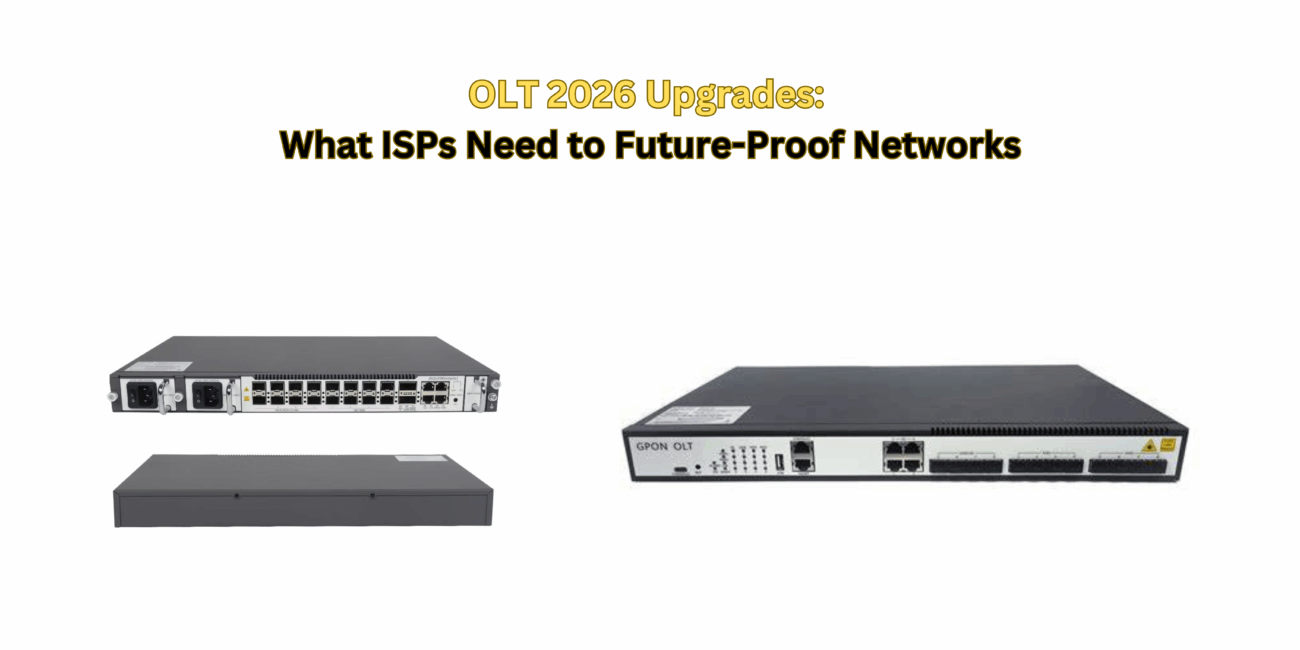
Hardware customization is also seeing significant traction, particularly regarding port density and form factors. Network operators often face space constraints in their central offices or data centers, driving the demand for high-density 1U or 2U OLT boxes that can accommodate a large number of GPON or XGS-PON ports. Conversely, for remote deployments, there is a trend towards ruggedized, compact OLTs that can operate in a wider temperature range without active cooling. These bespoke hardware solutions ensure that the equipment fits perfectly into the physical infrastructure of the client. Wholesale manufacturers are increasingly offering modular designs where buyers can mix and match different types of PON ports in a single chassis, creating a tailored solution for mixed-use networks.

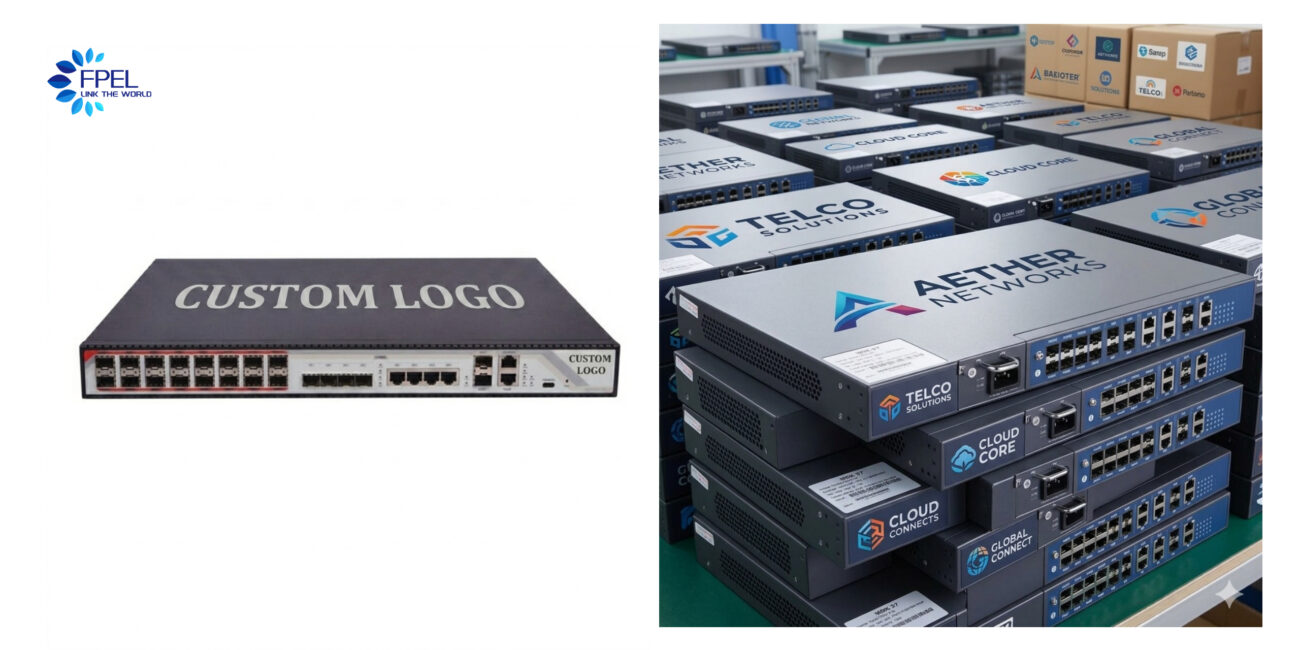
Another significant customization trend is white-labeling and branding. Many ISPs and regional carriers want to strengthen their brand identity by deploying equipment that bears their own logo and corporate aesthetic rather than the manufacturer’s. This extends to the user interface of the management software as well. Wholesale manufacturers are accommodating this request by providing unbranded hardware and customizable GUIs. For B2B clients, this branding consistency reinforces their professional image and market position. It allows them to present a unified front to their customers, enhancing trust and perceived value. The ability to offer branded equipment is a powerful differentiator in a crowded market.

Furthermore, there is a growing trend towards custom integration with third-party Network Management Systems (NMS). While OLTs come with their own management platforms, large operators often prefer a unified dashboard that manages all network elements, from the core to the edge. Manufacturers are responding by offering robust APIs and SDKs (Software Development Kits) that facilitate deep integration. This customization capability is crucial for automating network provisioning and monitoring. It allows businesses to build a bespoke operational environment that streamlines workflows and improves efficiency. As we move into 2026, the ability of an OLT to seamlessly integrate into a broader ecosystem of software tools will be a key deciding factor for procurement.

3. Which Strategies Lead to Selecting the Best OLT for Long-Term Growth?

3.1 How to Determine the Best OLT Specification for Your Network?

Determining the best OLT specification requires a careful analysis of current network requirements as well as future growth projections. The primary consideration is the type of PON technology supported, such as GPON, EPON, or the newer XGS-PON. While GPON is currently sufficient for many residential applications, XGS-PON is rapidly becoming the standard for business and premium residential services due to its symmetrical 10G capabilities. Forward-thinking operators are increasingly choosing “combo” PON ports or modular OLTs that can support both standards simultaneously. This flexibility ensures that the network can be upgraded incrementally without requiring a complete overhaul of the OLT equipment, safeguarding the investment against technological obsolescence.

Port density and scalability are equally critical specifications to evaluate. The best OLT for a growing network is one that offers a high port count within a compact form factor or allows for easy expansion via plug-in cards. Operators must calculate the number of subscribers they plan to serve per chassis and consider the split ratio of the PON network. An OLT that supports a high number of split ratios allows for maximum utilization of each fiber strand, which is economically beneficial. However, balancing density with performance is key; over-subscription can lead to congestion. Therefore, selecting an OLT with robust switching capacity and backplane bandwidth ensures that high port density does not compromise data throughput or user experience.

Another vital specification is the power consumption and thermal efficiency of the device. As energy costs rise and environmental regulations become stricter, the operational cost of powering an OLT becomes a significant factor. The best OLTs on the market utilize advanced power-saving features, such as dynamic power adjustment based on traffic load and sleep modes for idle ports. For wholesale buyers deploying thousands of units, even a small reduction in power consumption per unit translates into massive operational savings. Evaluating the power specifications is not just about sustainability but also about improving the bottom line of the network operation. Energy efficiency is a hallmark of modern, high-quality OLT design.

Finally, interoperability with existing infrastructure is a decisive factor. The chosen OLT must work seamlessly with the Optical Network Units (ONUs) already deployed or planned for the future. While most OLTs adhere to ITU-T or IEEE standards, proprietary features can sometimes cause compatibility issues. The best strategy is to select an OLT that has been tested for interoperability with a wide range of third-party ONUs. This open-architecture approach prevents vendor lock-in, giving the buyer the freedom to source customer premises equipment from the most cost-effective suppliers. Ensuring compatibility protects the network’s agility and prevents vendor dependency, which is crucial for long-term strategic independence.

3.2 Why is Partnering with a Customization-Focused Manufacturer Critical?

Partnering with a manufacturer that prioritizes customization provides a strategic advantage in a highly competitive telecommunications market. Standard, off-the-shelf OLT solutions may not address the unique challenges faced by every service provider, such as specific environmental conditions, regulatory requirements, or integration with legacy systems. A manufacturer willing to tailor their products can modify hardware designs, adjust software features, or even develop new functionalities to meet these specific needs. This collaborative approach results in a network infrastructure that is optimized for the operator’s specific business model, leading to better performance and operational efficiency. Customization transforms a generic product into a tailored business asset.

Moreover, a customization-focused manufacturer often acts as a strategic consultant rather than just a supplier. They possess deep industry knowledge and can provide valuable insights into how to optimize the network architecture. For instance, they can advise on the best configuration for a specific mix of residential and business users or recommend custom firmware tweaks to enhance security. This level of engagement is particularly beneficial for wholesale buyers who may not have extensive in-house R&D resources. The manufacturer’s expertise becomes an extension of the buyer’s team, ensuring that the deployed network is not only functional but also optimized for maximum return on investment. Such partnerships foster innovation and continuous improvement.

Supply chain resilience is another compelling reason to choose a flexible manufacturer. The global electronics supply chain has faced significant disruptions in recent years. A manufacturer that offers customization likely has stronger control over their supply chain and can adapt sourcing strategies to meet specific order requirements. They are often more willing to prioritize production for long-term partners, ensuring that critical components are delivered on time. For large-scale network rollouts, this reliability is indispensable. It prevents project delays and ensures that the network deployment schedule is maintained. A responsive manufacturing partner mitigates the risks associated with global logistics and component shortages.

Finally, working with a manufacturer that supports customization allows for future-proofing the network through collaborative development. As new technologies emerge, the manufacturer can work with the operator to develop upgrade paths or new modules that integrate seamlessly with the existing OLT chassis. This ongoing relationship ensures that the network remains at the cutting edge of technology without requiring a complete rip-and-replace every few years. It establishes a roadmap for growth that is mutually beneficial. For B2B clients, this means they can confidently promise their customers the latest services and speeds, knowing their infrastructure partner is capable of delivering the necessary hardware innovations.

3.3 Which Cost Factors Should Be Analyzed Beyond the Initial OLT Price?

While the initial purchase price of an OLT is a visible and significant expense, the Total Cost of Ownership (TCO) encompasses several other factors that must be analyzed to make a financially sound decision. One of the most substantial hidden costs is power consumption over the lifespan of the equipment. An energy-efficient OLT might command a higher upfront price but can result in tens of thousands of dollars in savings on electricity bills over five years. Buyers should calculate the operational expenditure based on the power ratings of the device and local energy costs. This long-term view is essential for accurate budgeting and financial planning, especially for large-scale deployments where margins are tight.

Maintenance and spare parts management represent another critical cost factor. The reliability of the OLT dictates how frequently maintenance will be required and how expensive spare parts will be. Proprietary systems often have expensive, vendor-locked spare parts, whereas open-standard systems allow for more competitive pricing on replacements. Furthermore, the availability of spares is crucial; a long lead time for a critical card can result in extended network outages, costing the business revenue and reputation. Analyzing the vendor’s logistics, warranty policies, and the cost of critical spare parts is vital. A proactive approach to maintenance costs involves choosing equipment known for high Mean Time Between Failures (MTBF).

Software licensing and update fees can also accumulate over time, impacting the TCO. Some manufacturers charge separately for advanced features, security patches, or major firmware upgrades that enhance functionality or performance. It is important to clarify the software policy before purchasing. Is the management software free, or is there an annual license fee? Are security updates included in the warranty, or are they a paid add-on? These recurring costs can subtly inflate the budget. The best OLT investments often come with transparent, lifetime software support included, eliminating unexpected financial surprises down the line and ensuring the network remains secure and functional.

Finally, the cost of integration and training should be considered. If an OLT requires specialized training for engineers or complex integration procedures that require expensive consultant hours, the implementation costs will rise. Equipment that is intuitive and comes with comprehensive documentation and training resources reduces these overheads. Additionally, considering the resale value or trade-in programs offered by the manufacturer can offset the end-of-life costs. When the OLT eventually needs to be replaced, a manufacturer that offers a buy-back program or trade-in credit for newer technology can significantly reduce the cost of the next upgrade cycle. A holistic analysis of these factors provides a true picture of the OLT cost.

Conclusion

The Optical Line Terminal stands as the cornerstone of any modern fiber optic network, bridging the gap between the service provider’s core infrastructure and the end-user. As we look towards the market trends of 2025 and 2026, the importance of selecting the right OLT—focusing on scalability, energy efficiency, and customization—cannot be overstated. For businesses aiming to thrive in a competitive B2B environment, understanding the “why” and “how” of OLT deployment is crucial for optimizing both performance and expenditure. By prioritizing wholesale acquisition and strategic partnerships with customization-focused manufacturers, network operators can significantly reduce their OLT cost while securing a future-proof infrastructure.

In conclusion, the journey to building a robust fiber network begins with the choice of the right equipment. The best OLT is not merely the one with the lowest price tag, but the one that aligns with the operator’s long-term strategic goals, offering flexibility, reliability, and superior management capabilities. As the demand for high-speed connectivity continues to surge, investing in high-quality, tailored OLT solutions will ensure that your network remains resilient, efficient, and ready to meet the digital needs of tomorrow. We encourage procurement managers and network planners to explore wholesale options that offer comprehensive customization and support, paving the way for sustainable growth and operational excellence.