

1. Why Understanding the Optical Line Terminal is Essential for Network Expansion
1.1 What is an OLT and Its Core Role in Fiber Networks?
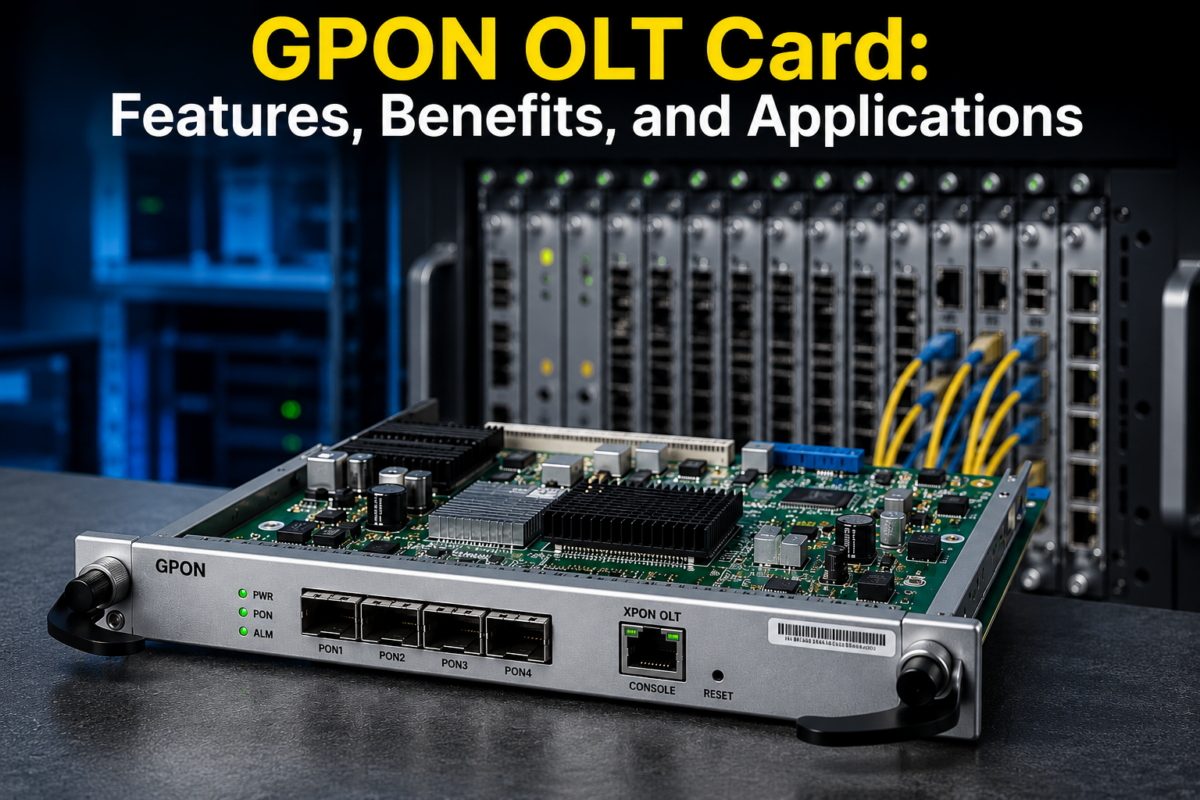
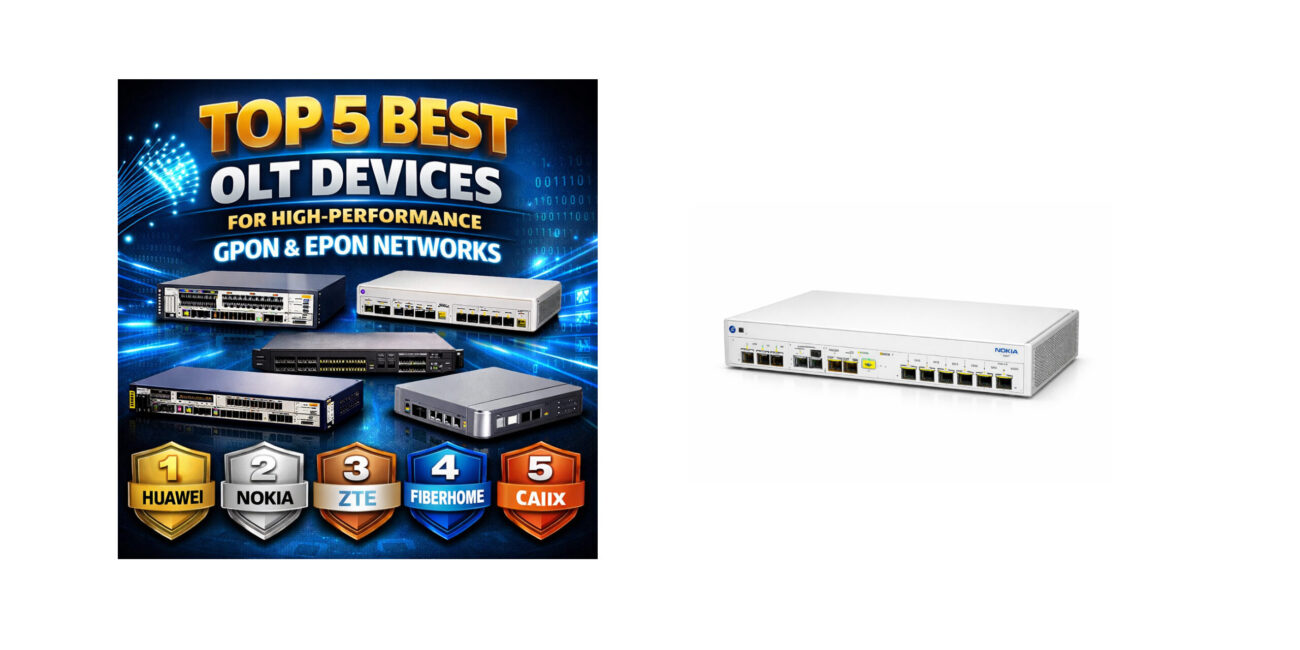
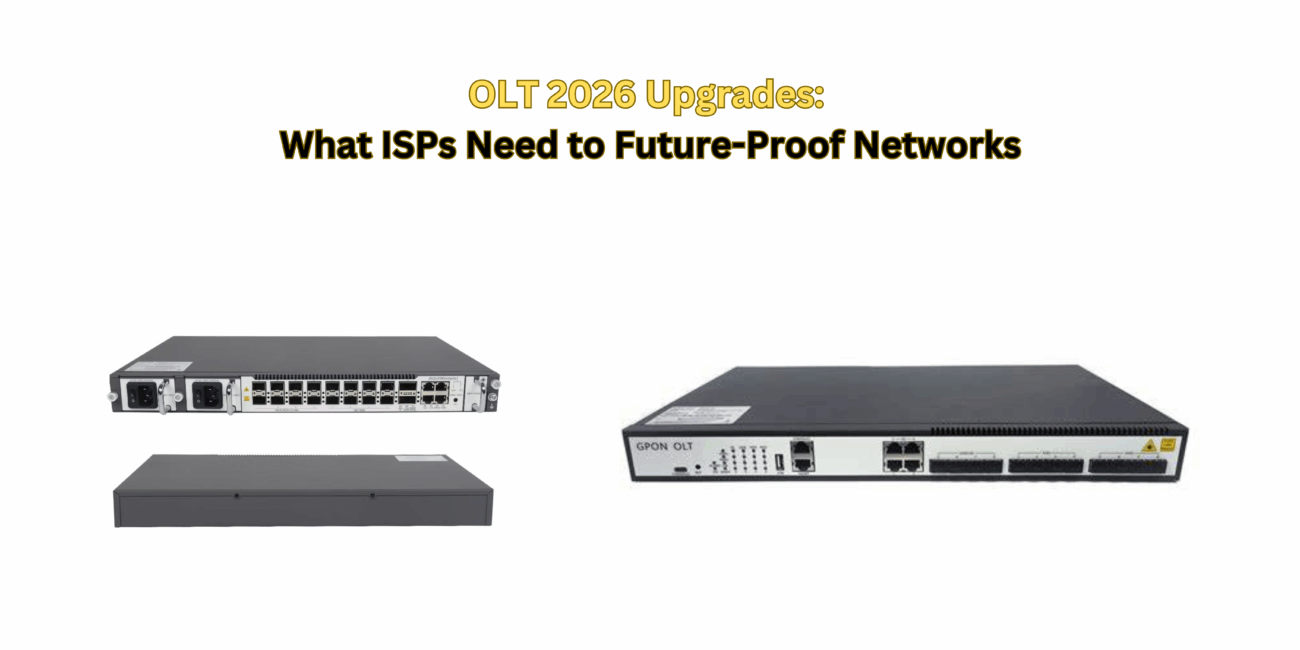
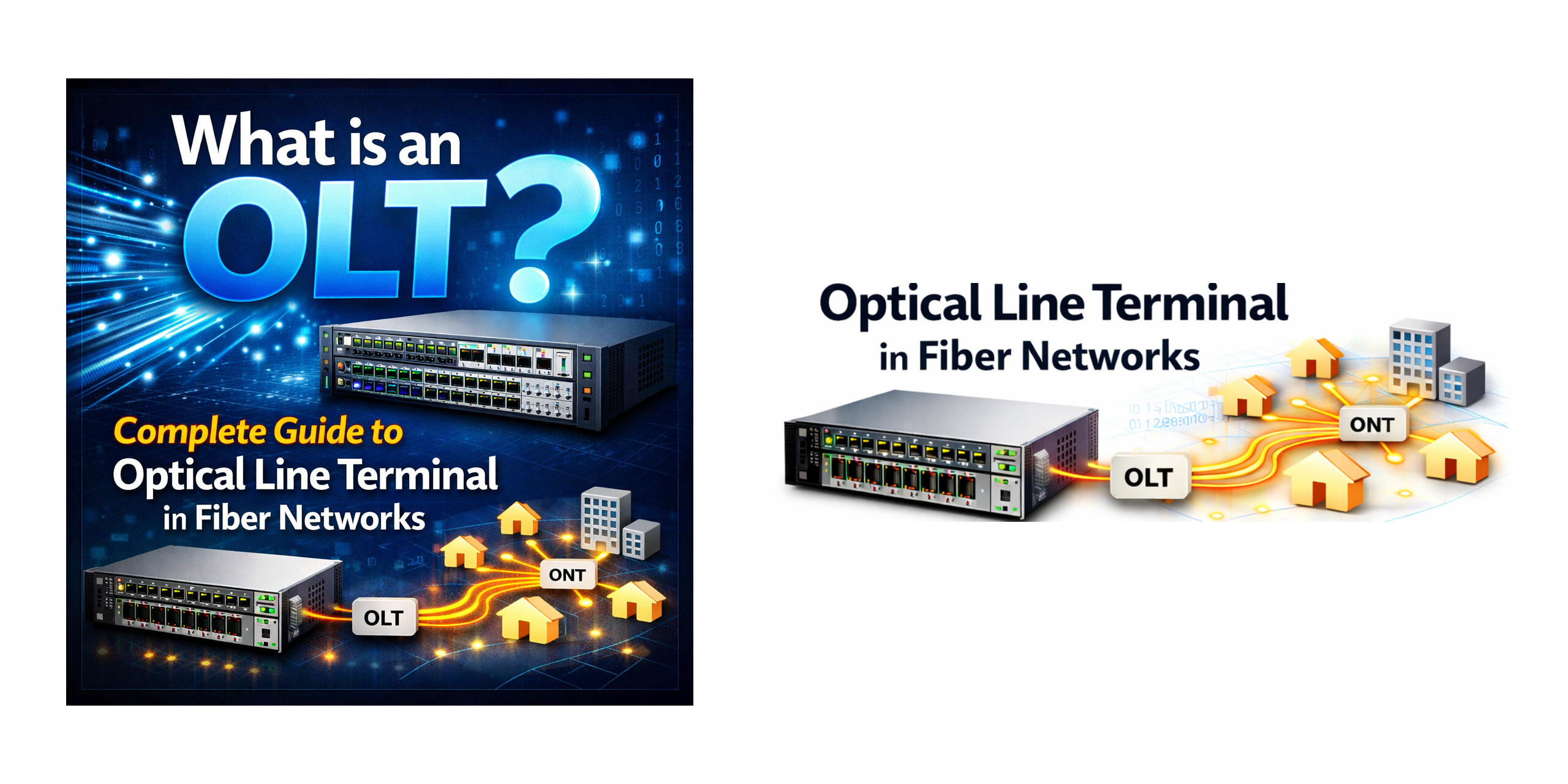
An Optical Line Terminal (OLT) is a critical hardware component installed at the central office of a service provider to facilitate communication over a Passive Optical Network (PON). Its primary function is to act as the aggregation point, receiving data from the wider internet network and converting it into optical signals suitable for transmission over fiber optic cables to Optical Network Units (ONUs) or Optical Network Terminals (ONTs) at the customer’s premises.
This conversion process is vital because it bridges the gap between the electrical signals of the core network and the optical signals required for the “last mile” fiber connection. Without a robust OLT, the high-speed capabilities of fiber optics cannot be effectively utilized to deliver gigabit speeds to end-users.
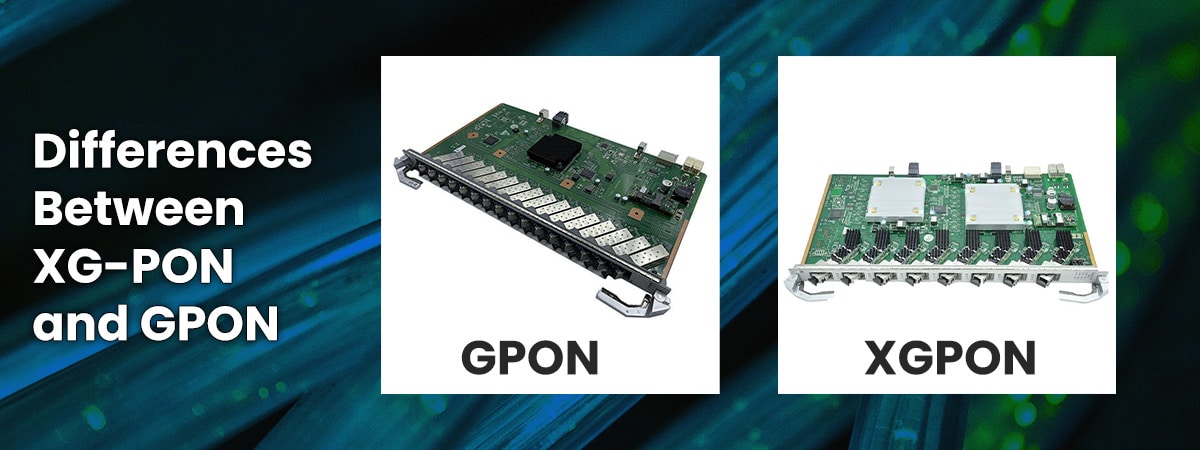
The architecture of an OLT is designed to handle high-density traffic, allowing multiple users to share a single fiber connection through time-division multiplexing. It supports various protocols such as GPON (Gigabit-capable Passive Optical Networks) and EPON (Ethernet Passive Optical Networks), with newer models increasingly supporting XGS-PON for symmetric 10G speeds. For wholesale buyers, understanding these protocol standards is essential when selecting equipment that aligns with their service offerings. The versatility of an OLT allows it to serve diverse environments, from residential apartment complexes to large-scale enterprise campuses, making it a universal solution for fiber deployment.
OLT as the Main Network Device
An Optical Line Terminal (OLT) is a hardware device installed at the service provider’s central office. It connects the provider’s core network to Optical Network Units (ONUs) or Optical Network Terminals (ONTs) at customer locations. The OLT acts as the communication bridge between the internet backbone and end users.
The OLT converts electrical signals into optical signals for fiber transmission. It also converts optical signals back into electrical signals when receiving data from users. This process allows providers to deliver high-speed internet over long distances.
Support for Different PON Standards
Modern OLT systems support different PON standards such as GPON, EPON, and XGS-PON. GPON supports gigabit internet services, while XGS-PON supports symmetrical 10G speeds. Many service providers now prefer XGS-PON because it supports future bandwidth demands.
The flexibility of an OLT allows operators to use it in residential, commercial, and industrial environments. This versatility makes it a key component in modern fiber deployments.
Bandwidth and Traffic Management
The OLT also manages bandwidth distribution between connected users. It controls network traffic and maintains Quality of Service (QoS). This feature helps providers prioritize important services such as video calls, IPTV, and VoIP traffic.
Strong traffic management improves customer experience and reduces network congestion. It also allows providers to offer customized service packages for business clients.
Remote Monitoring and Maintenance
Operators can monitor and manage OLT systems through a Network Management System (NMS). This platform allows remote configuration, troubleshooting, and maintenance. Remote access reduces operational costs and minimizes downtime.
Advanced monitoring tools also help operators detect fiber faults and ONU issues quickly. As a result, providers can maintain stable network performance and improve customer satisfaction.
1.2 How Does an OLT Facilitate Data Transmission in PON Architecture?
Downstream Data Transmission
In downstream transmission, the OLT sends data from the provider to users. The system broadcasts optical signals to all ONUs connected to the network. Each ONU only reads the data assigned to it.
This method allows the network to deliver internet, IPTV, and voice services efficiently. It also reduces infrastructure complexity and lowers deployment costs.
Upstream Data Transmission
In upstream transmission, users send data back to the OLT. The OLT controls this process through Time Division Multiple Access (TDMA). Each ONU receives a specific time slot for transmission.
This scheduling system prevents data collisions and ensures fair bandwidth allocation. Dynamic bandwidth allocation also helps maintain network performance during peak traffic periods.
PON Ports and Subscriber Capacity
OLT systems contain multiple PON ports. Each port can support many subscribers depending on the PON standard. High-density OLTs reduce hardware space requirements and improve scalability.
High port density also lowers deployment costs because providers can connect more users through fewer devices.
Support for Triple-Play Services
The OLT supports internet, IPTV, and VoIP services on a single fiber network. This setup is known as triple-play service delivery. Providers use this model to offer bundled packages to residential and business customers.
Bundled services increase revenue opportunities and improve customer retention for ISPs.
1.3 Why is the OLT Important for ISPs?
Central Control of the Network
The OLT acts as the central control point of the fiber network. It manages subscriber connections, bandwidth allocation, and traffic routing. If the OLT fails, many users can lose network access.
Because of this critical role, ISPs invest in reliable and scalable OLT systems.
Security and User Authentication
The OLT also handles authentication and billing functions. It verifies user access and tracks service usage for billing purposes. These features help ISPs manage customer accounts efficiently.
Traffic separation and subscriber management also improve network security and service reliability.
Future-Proof Network Infrastructure
Modern modular OLT systems support future upgrades. Operators can replace line cards instead of replacing the entire chassis. This design reduces upgrade costs and protects long-term investments.
Many providers now upgrade from GPON to XGS-PON to support faster internet speeds and growing customer demand.
Network Troubleshooting and Maintenance
Advanced OLT systems include diagnostic and monitoring features. Operators can quickly identify fiber cuts, ONU failures, or traffic issues.
These tools reduce repair time and improve overall service quality. Faster troubleshooting also helps providers meet strict service level agreements.
2. How Market Trends and Statistics Drive OLT Procurement in 2025 and 2026
2.1 Why is the OLT Market Growing?
The global OLT market continues to grow because of rising FTTH and FTTB deployments. Governments and private companies continue to invest in fiber infrastructure to support digital transformation.
5G deployment also increases demand for fiber backhaul networks. Modern OLT systems help operators support these high-capacity connections.
Applications such as cloud computing, 4K streaming, and IoT devices require faster internet speeds. Because of this trend, service providers continue to upgrade their networks to XGS-PON technology.
Smart city projects and industrial automation also contribute to market growth. Many organizations require stable fiber connectivity for smart infrastructure and industrial operations.
2.2 How Does Wholesale Purchasing Reduce OLT Cost?
Wholesale purchasing reduces the overall cost of OLT deployment. Buyers can access lower prices by purchasing directly from manufacturers or authorized distributors.
Large orders often include volume discounts and better warranty terms. These benefits reduce long-term operational costs for service providers.
Wholesale buyers also receive better technical support and faster replacement services. This support helps minimize network downtime.
Some manufacturers also provide customized hardware or firmware solutions for large B2B clients. These options improve deployment flexibility and operational efficiency.
2.3 What Customization Trends are Shaping the OLT Market?
Software-defined OLT systems are becoming more popular in the telecommunications industry. These systems allow operators to enable new features through software updates.
Manufacturers also offer customized hardware designs for different deployment environments. Some operators require compact indoor OLTs, while others need rugged outdoor models.
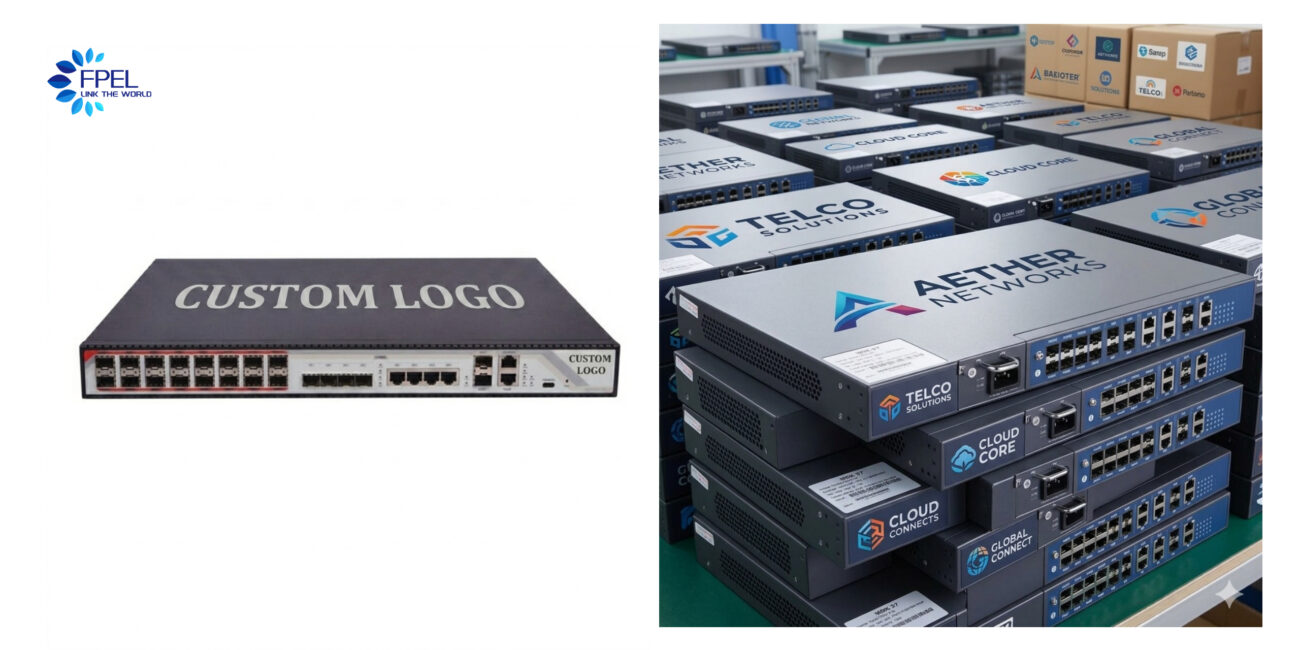
White-label branding has also become a major trend. Many ISPs prefer equipment with their own logo and interface design.
Manufacturers now provide APIs and SDKs for third-party software integration. These tools help operators automate network management and monitoring processes.
3. How to Choose the Best OLT for Long-Term Growth
3.1 How to Select the Right OLT Specification
Operators should first evaluate the supported PON technologies. XGS-PON offers higher speeds and better long-term scalability than traditional GPON systems.
Port density is another important factor. High-density OLTs support more subscribers while reducing space requirements.
Energy efficiency also plays a major role in operational cost reduction. Modern OLT systems include power-saving features that reduce electricity consumption.
Interoperability is equally important. The selected OLT should work with multiple ONU brands to avoid vendor lock-in.
3.2 Why is Partnering with a Customization-Focused Manufacturer Critical?
Customization-focused manufacturers provide solutions tailored to specific network requirements. They can modify hardware, software, and management features for different deployment needs.
These manufacturers also provide technical guidance and deployment recommendations. Their expertise helps operators optimize network performance and reduce deployment issues.
Strong manufacturing partners also improve supply chain reliability. They help operators avoid delays caused by component shortages or shipping disruptions.
Long-term partnerships also support future network upgrades and technology transitions.
3.3 Which Cost Factors Should Be Analyzed Beyond the Initial OLT Price?
Businesses should analyze the total cost of ownership before purchasing an OLT system. Power consumption can significantly affect long-term operational costs.
Maintenance costs and spare part availability also impact long-term profitability. Reliable hardware reduces maintenance frequency and repair expenses.
Software licensing fees can also increase overall expenses. Buyers should review firmware update policies and management software costs before purchasing.
Training and integration costs are also important. Easy-to-manage systems reduce deployment complexity and lower operational overhead.
Conclusion
The Optical Line Terminal (OLT) is the foundation of modern fiber optic networks. It supports high-speed internet services, manages network traffic, and enables future network expansion.
As fiber deployments continue to grow in 2025 and 2026, businesses must focus on scalable, energy-efficient, and customizable OLT solutions. Wholesale purchasing and strong manufacturer partnerships can reduce costs and improve operational efficiency.
The best OLT solution is not always the cheapest option. Instead, businesses should focus on long-term reliability, scalability, interoperability, and management capabilities. A well-planned OLT investment helps operators build a future-ready fiber network that supports growing digital demands.
Frequently Asked Questions
1. What is an Optical Line Terminal (OLT)?
An Optical Line Terminal (OLT) is the central device in a passive optical network (PON). It connects the service provider’s core network to users through fiber optic cables. In simple terms, the OLT manages data transmission between the provider and customer devices.
2. What is the main function of an OLT?
The main function of an OLT is to convert electrical signals into optical signals for fiber transmission. In addition, it receives optical signals from users and converts them back into electrical signals for the provider’s network.
3. What is the difference between OLT and ONU?
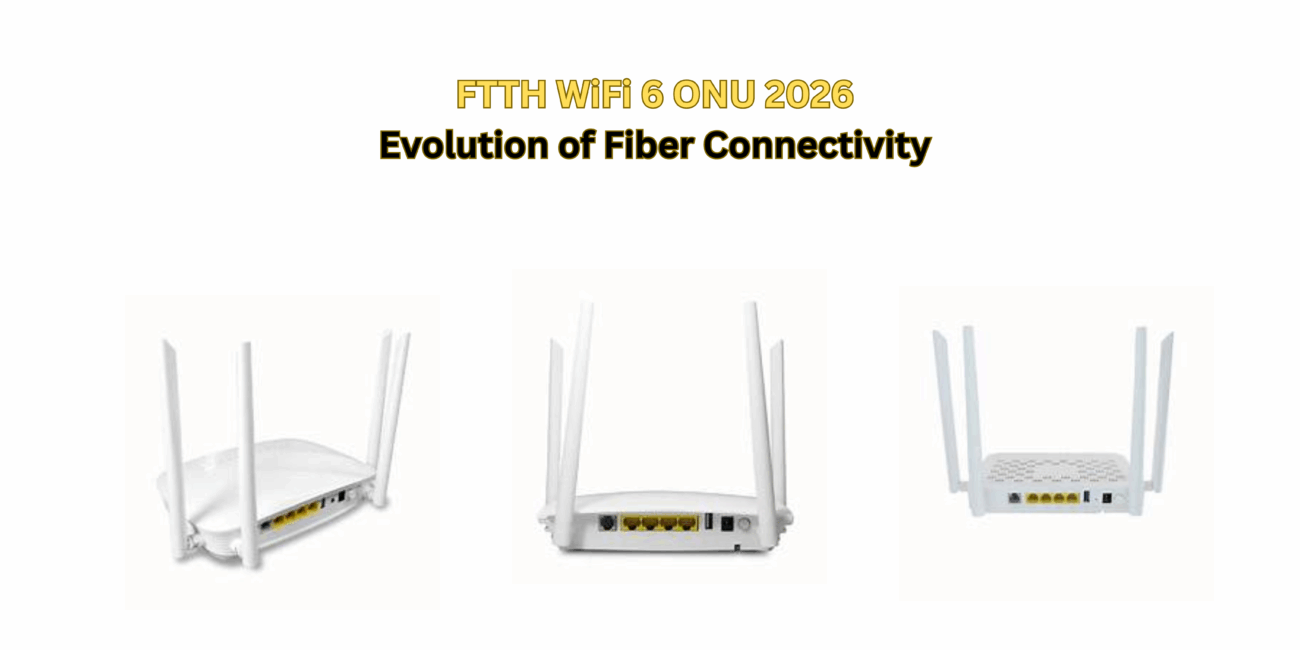
An OLT is installed at the service provider’s central office, while an ONU (Optical Network Unit) is installed at the customer’s location. Essentially, the OLT controls the network, whereas the ONU delivers internet services to end users.
4. Why is OLT important in fiber optic networks?
The OLT is important because it controls network traffic, manages bandwidth, and supports high-speed internet services. As a result, service providers can deliver stable and reliable connectivity to users.
5. Which PON technologies do modern OLTs support?
Modern OLTs support several PON technologies, including GPON, EPON, and XGS-PON. Currently, many providers prefer XGS-PON because it supports symmetrical 10G internet speeds.
6. How many users can one OLT support?
The number of users depends on the OLT model and PON standard. Generally, many OLT systems support dozens or even hundreds of subscribers through multiple PON ports and splitters.
7. What are the benefits of wholesale OLT purchasing?
Wholesale purchasing helps businesses reduce equipment costs. Moreover, it provides benefits such as volume discounts, better warranty terms, faster support, and customization options.
8. What factors should businesses consider before buying an OLT?
Businesses should consider PON compatibility, port density, scalability, energy efficiency, interoperability, and management features before selecting an OLT system. In this way, they can choose a solution that supports long-term growth.
9. Can OLT systems support future network upgrades?
Yes, many modern OLT systems support modular upgrades. Therefore, operators can upgrade line cards or software to support newer technologies like XGS-PON without replacing the entire system.
10. How does an OLT improve network management?
An OLT improves network management through remote monitoring, troubleshooting, bandwidth control, and traffic management features. Consequently, these capabilities help reduce downtime and improve service quality.