
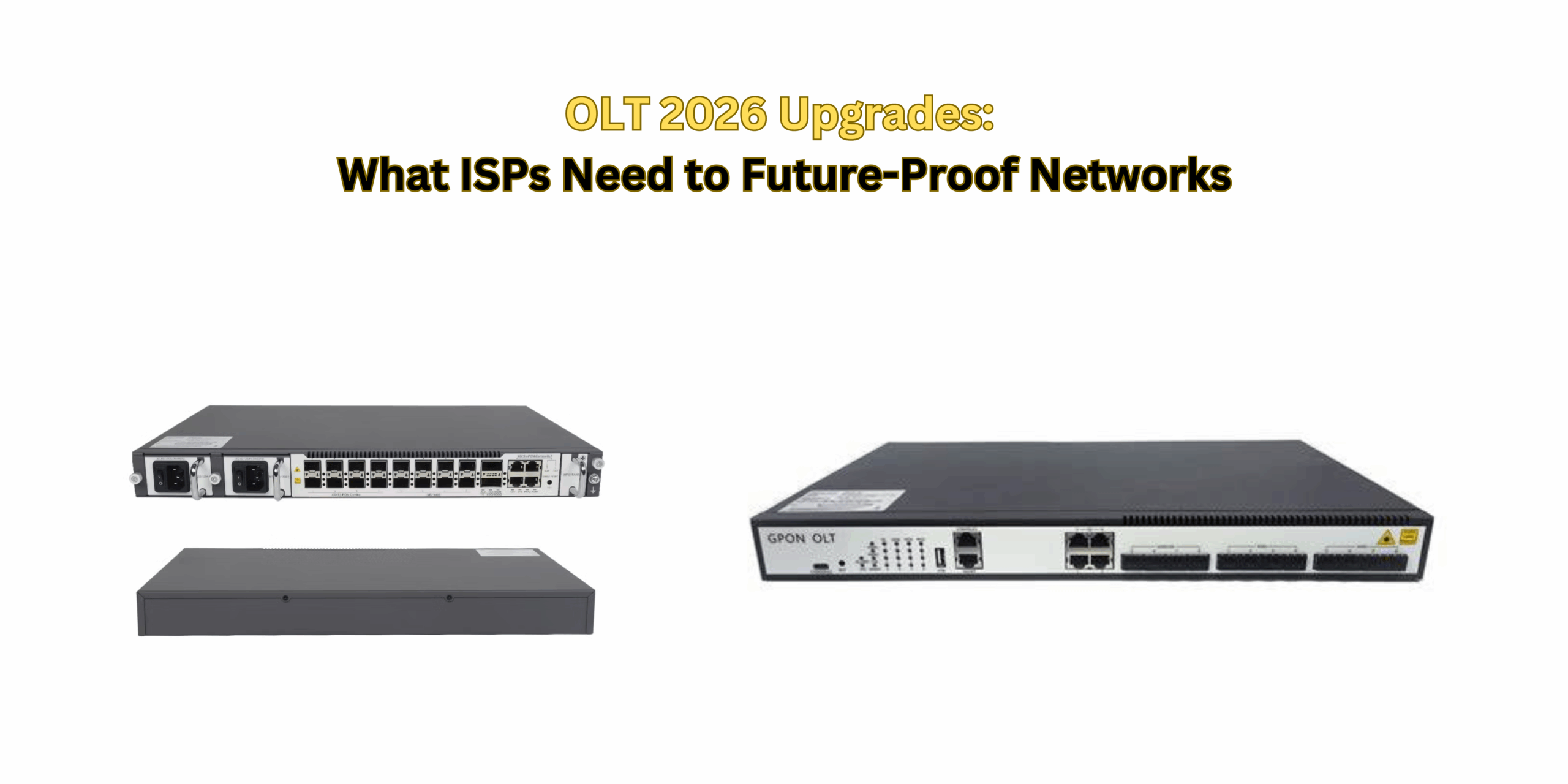
Introduction: OLT 2026, FTTH Upgrade, and XGS-PON OLT Trends
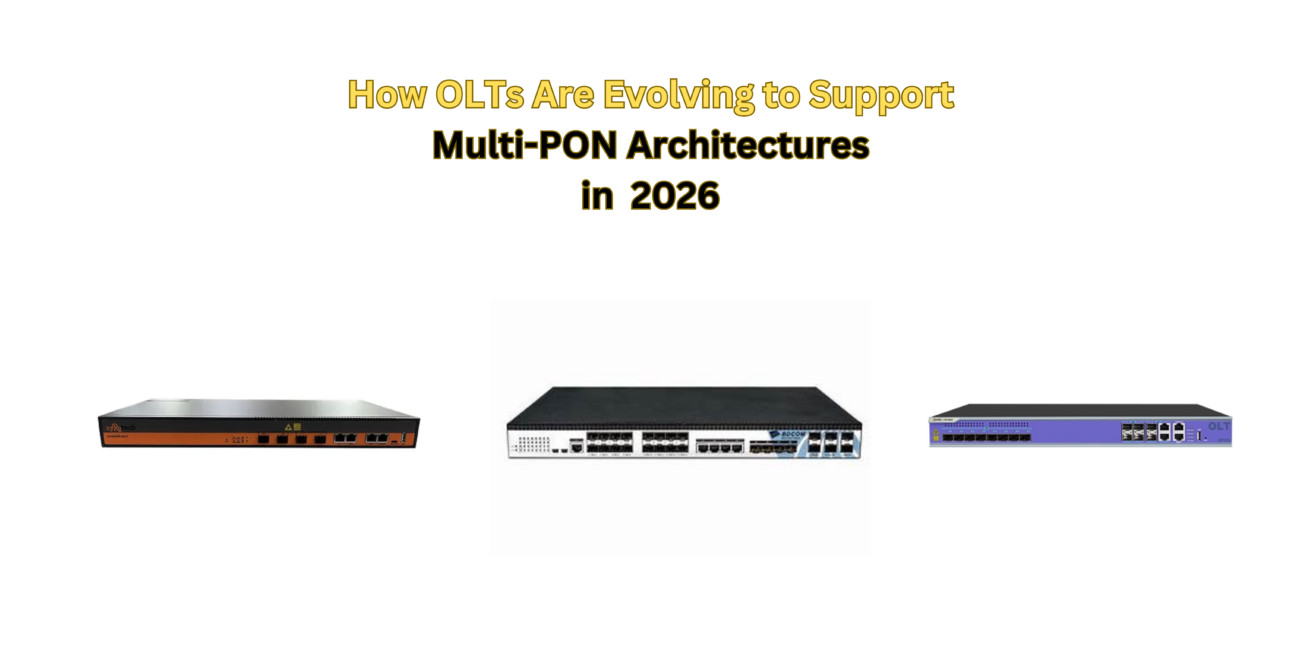
The future of fiber networks is rapidly evolving, and OLT 2026, FTTH upgrade strategies, and emerging XGS-PON OLT trends are at the center of this transformation. As internet demand surges due to cloud applications, 8K streaming, AR/VR adoption, and IoT-driven smart cities, Internet Service Providers (ISPs) must embrace the next generation of Optical Line Terminals (OLTs) to remain competitive.
In 2026, OLT technology is no longer just about delivering bandwidth—it’s about scalability, operational efficiency, and long-term future-proofing. For ISPs, upgrading OLT infrastructure is both a technical necessity and a strategic business decision to stay ahead in a data-hungry world.
Understanding OLT in the FTTH Ecosystem
What is an OLT and Why It Matters
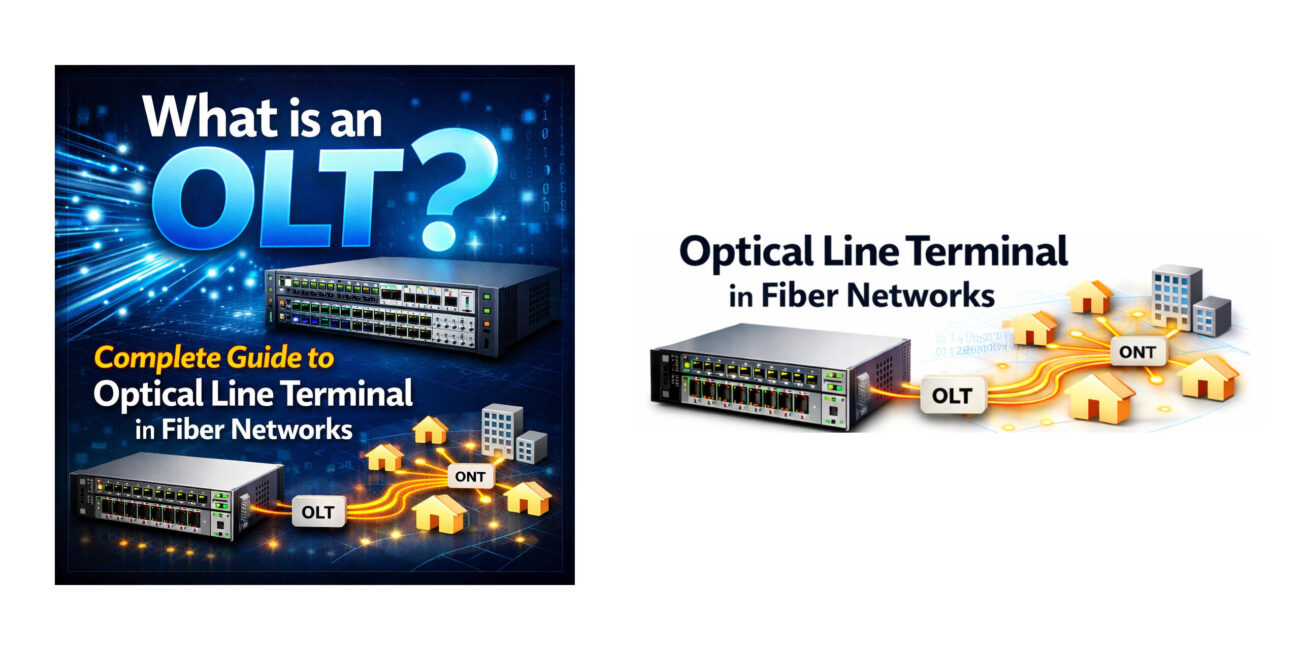
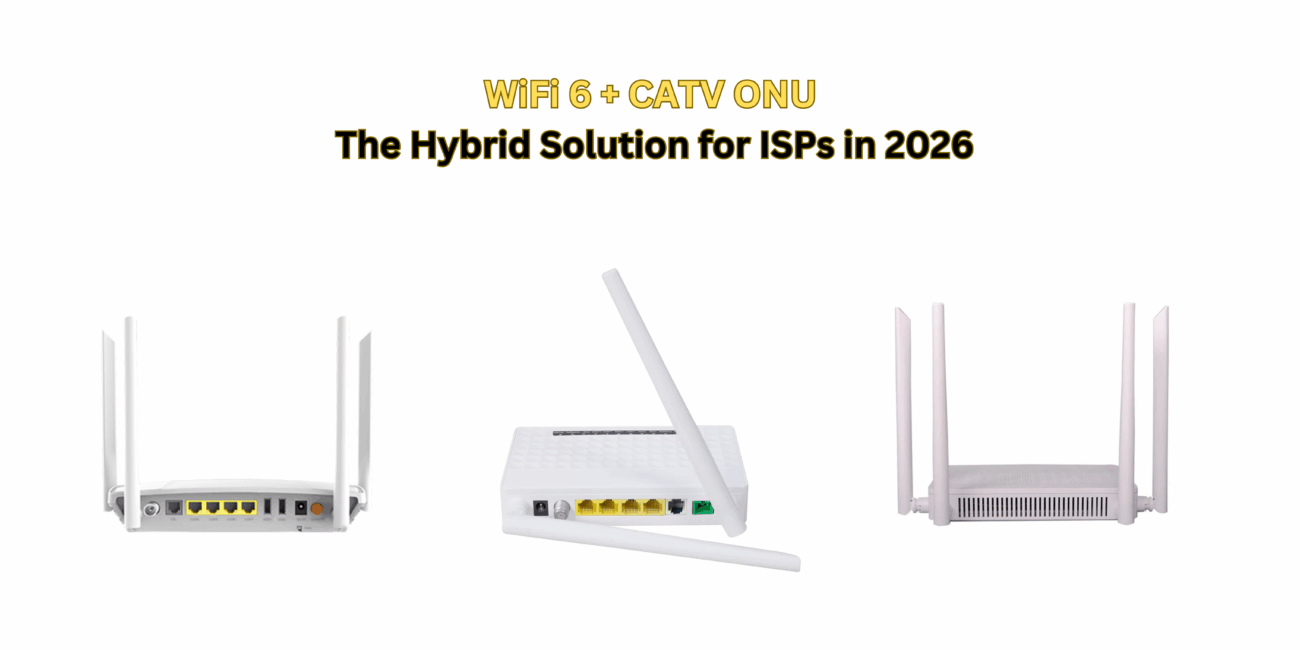
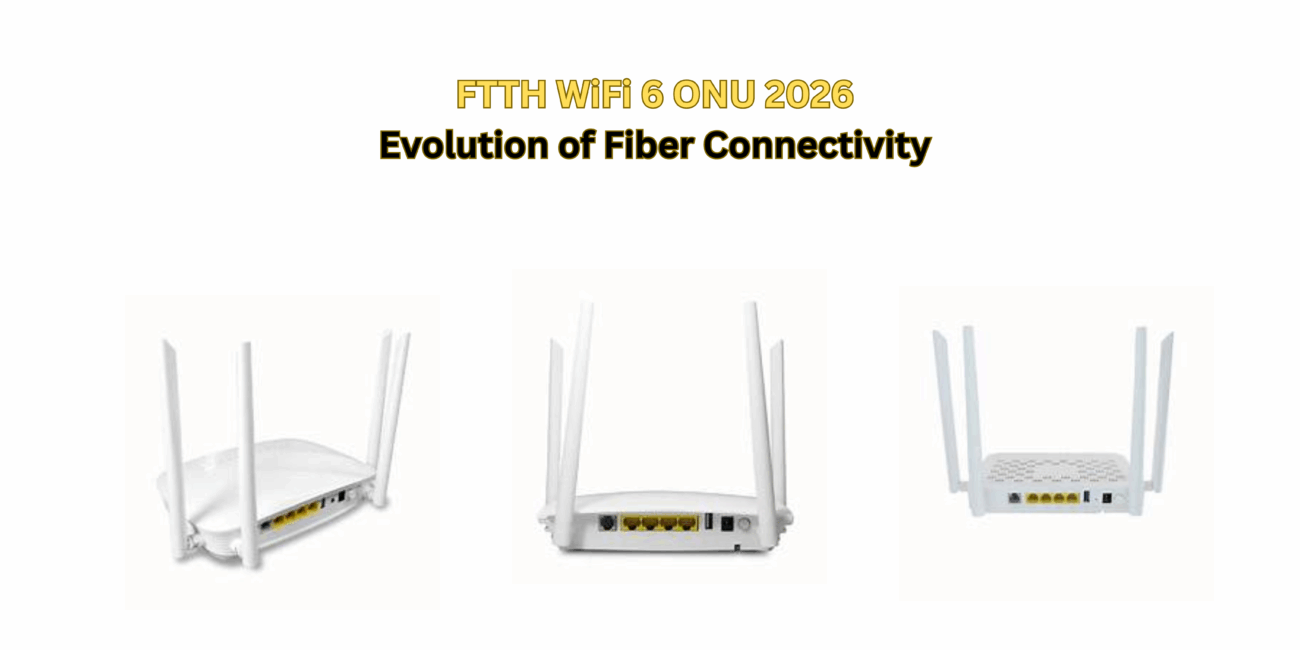
An Optical Line Terminal (OLT) is the heart of a Passive Optical Network (PON). It connects the ISP’s backbone network to customer premises equipment such as ONUs (Optical Network Units) or ONTs (Optical Network Terminals).
Without OLTs, there would be no efficient way to manage bandwidth allocation, enforce QoS (Quality of Service), or ensure seamless FTTH delivery at scale.
The Role of OLT in Next-Generation Fiber Networks
In FTTH upgrades, OLTs dictate the overall quality of service. With the rise of XGS-PON OLT trends, ISPs can now provide symmetrical 10G services, a critical enabler for cloud-driven enterprises, remote workers, and smart healthcare systems.
OLT 2026: Key Features Driving Innovation
Higher Bandwidth and Capacity
OLT 2026 solutions are built to support massive traffic growth, addressing the exponential rise in video, gaming, and AI-driven applications. Each OLT can manage thousands of subscribers while ensuring stable performance.
Energy Efficiency and Sustainability
Energy-efficient OLTs are a game-changer. With power-saving chipsets, modular hardware, and intelligent resource allocation, ISPs can cut operating expenses while meeting global sustainability targets.
Enhanced Security and Reliability
Cybersecurity is now a core part of FTTH upgrades. OLTs in 2026 come with encrypted data paths, access control, and real-time monitoring to defend against evolving threats.
FTTH Upgrade Strategies for ISPs in 2026
Transitioning from GPON to XGS-PON
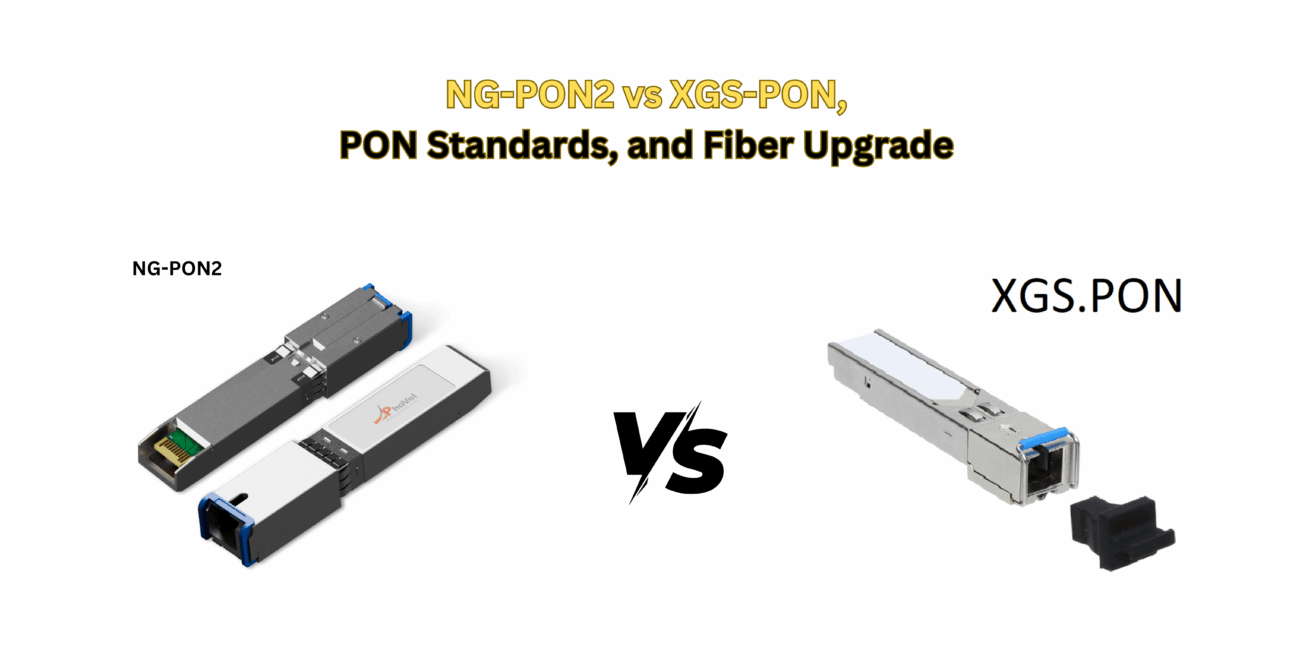
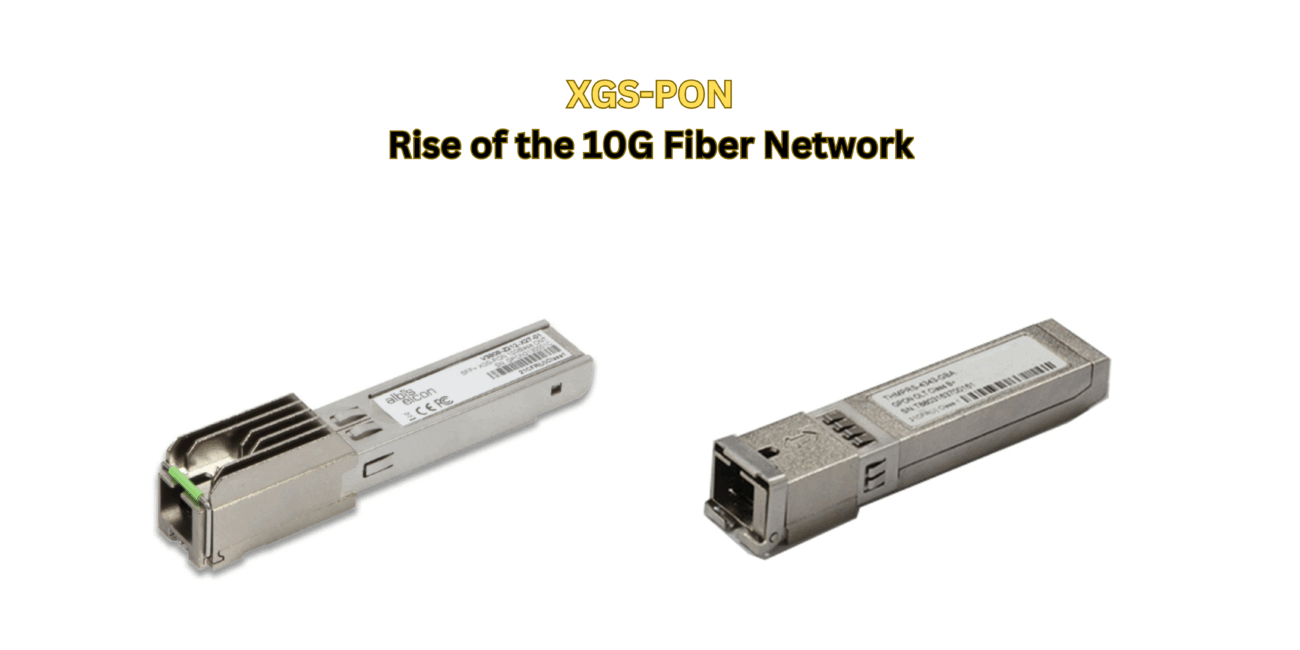
The move from GPON to XGS-PON is one of the most impactful FTTH upgrades happening today. ISPs adopting XGS-PON OLT trends can offer 10G symmetrical services, catering to high-demand users while staying ahead of competitors.
Preparing Infrastructure for 25G and Beyond
Forward-looking ISPs recognize that fiber networks must last decades. Preparing OLTs for 25G-PON and 50G-PON ensures long-term ROI and avoids costly future overhauls.
Leveraging Cloud-Based OLT Management
Cloud-native OLT management platforms are rising in popularity. They give ISPs real-time visibility into network health, predictive maintenance, and automated provisioning—all while reducing truck rolls and operational overhead.
XGS-PON OLT Trends Shaping the Market
Mass Deployment Across Urban Areas OLT 2026
By 2026, XGS-PON OLTs are being deployed in metropolitan areas worldwide. Urban customers demand higher bandwidth for streaming, gaming, and hybrid work, making mass OLT upgrades inevitable.
Support for 10G Symmetrical Services
Symmetrical connectivity is no longer optional. XGS-PON OLT trends ensure businesses and households alike benefit from consistent upload and download speeds—vital for cloud storage, real-time collaboration, and telehealth.
Cost Optimization for ISPs
ISPs face mounting pressure to lower costs while delivering better services. OLT 2026 platforms are designed with modular scalability, enabling operators to expand capacity gradually instead of committing to full-scale upgrades upfront.
Benefits of OLT Upgrades for ISPs and End Users
Improved Customer Experience OLT 2026
With FTTH upgrades, customers enjoy higher speeds, reduced buffering, and more reliable connections. For ISPs, this translates into reduced churn and increased ARPU (Average Revenue Per User).
Operational Efficiency for Providers
Upgraded OLTs simplify provisioning, troubleshooting, and monitoring. ISPs can manage more subscribers with fewer resources, boosting profitability.
Unlocking Smart City and IoT Potential
OLT 2026 enables ISPs to support millions of IoT devices per city—from connected vehicles and AI-driven traffic systems to smart energy grids. Without advanced OLTs, these applications would strain networks beyond capacity.
Challenges in Implementing OLT 2026
Capital Expenditure and ROI Considerations OLT 2026
A major barrier to FTTH upgrades is upfront capital. OLT equipment, installation, and network redesign require significant investment. However, ISPs that delay upgrades risk losing market share to faster competitors.
Compatibility with Legacy Equipment
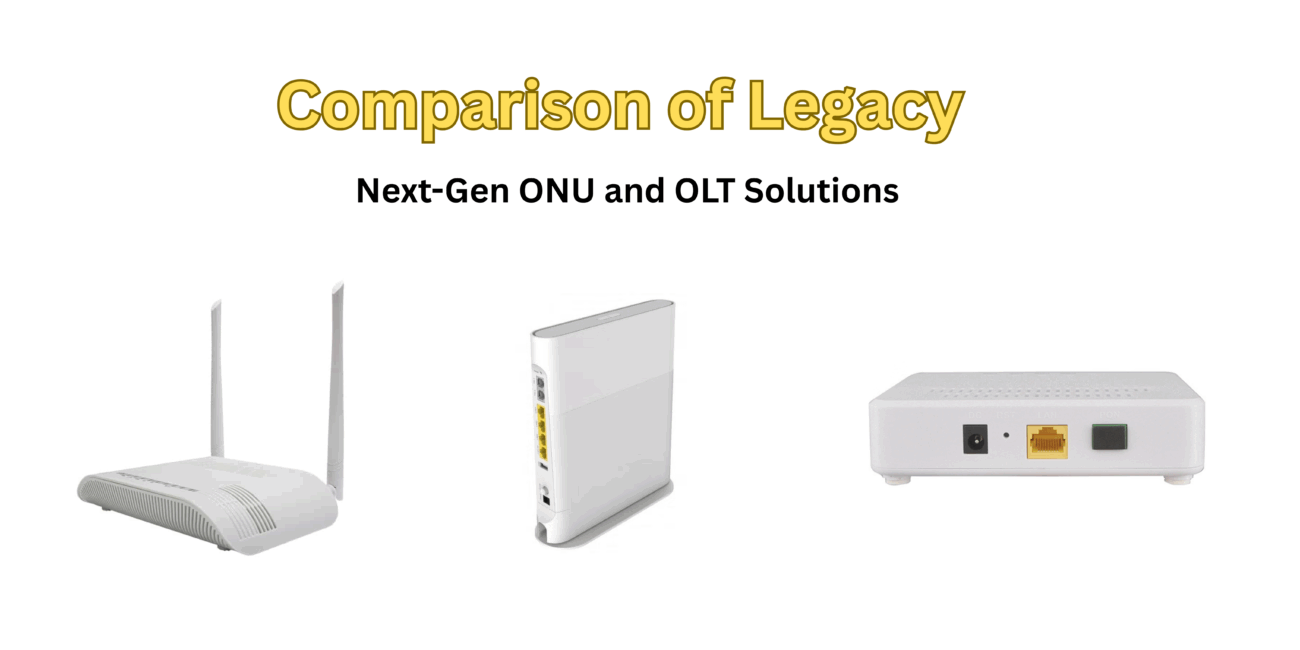
Many ISPs still support customers on GPON. Ensuring backward compatibility while adopting XGS-PON OLT trends is both technically and operationally challenging. Vendors offering hybrid OLT platforms are helping to bridge this gap.
Regulatory and Policy Challenges
Government policies around broadband deployment, subsidies, and rural access directly affect OLT rollouts. Inconsistent regulations between regions can slow adoption, especially in developing economies.
The Future of OLT Beyond 2026
Evolution Towards 25G-PON and 50G-PON
While OLT 2026 focuses on XGS-PON adoption, the roadmap clearly points toward 25G-PON and 50G-PON. These technologies will support AI-heavy applications, ultra-HD holographic conferencing, and industrial IoT.
Integration with AI and Edge Computing
The next evolution of OLTs involves AI-driven analytics and edge computing. Smart OLTs will automatically predict traffic spikes, reroute capacity, and self-heal network issues in real time.
FAQs About OLT 2026, FTTH Upgrade, and XGS-PON OLT Trends
Q1: Why is OLT 2026 critical for ISPs?
A1: It empowers ISPs to deliver next-gen broadband, scale efficiently, and prepare for future technologies like 25G-PON.
Q2: How do FTTH upgrades improve end-user experience?
A2: Customers enjoy faster speeds, lower latency, and more reliable connectivity for gaming, streaming, and smart devices.
Q3: What are the leading XGS-PON OLT trends in 2026?
A3: Large-scale deployments, symmetrical 10G offerings, and modular cost optimization dominate the market.
Q4: Are OLT upgrades too costly for smaller ISPs?
A4: While the initial investment is significant, vendors now offer modular and cloud-managed solutions that lower entry costs.
Q5: Can OLT 2026 support legacy GPON customers?
A5: Yes, hybrid OLTs allow ISPs to continue serving GPON subscribers while migrating to XGS-PON.
Q6: How do OLT upgrades enable smart cities?
A6: They provide the capacity and low latency required for IoT, AI-driven transport, energy grids, and public services.
Conclusion: Future-Proofing Networks with OLT 2026
The convergence of OLT 2026, FTTH upgrade strategies, and XGS-PON OLT trends marks a decisive moment for ISPs worldwide. By investing in advanced OLT platforms, providers can scale efficiently, deliver superior customer experiences, and prepare for the inevitable rise of 25G and 50G technologies.
In 2026 and beyond, OLT upgrades are not simply a technical necessity—they are the backbone of digital economies, smart cities, and global connectivity. ISPs that act now will define the broadband future, ensuring their networks are built not just for today, but for decades to come.