
Introduction
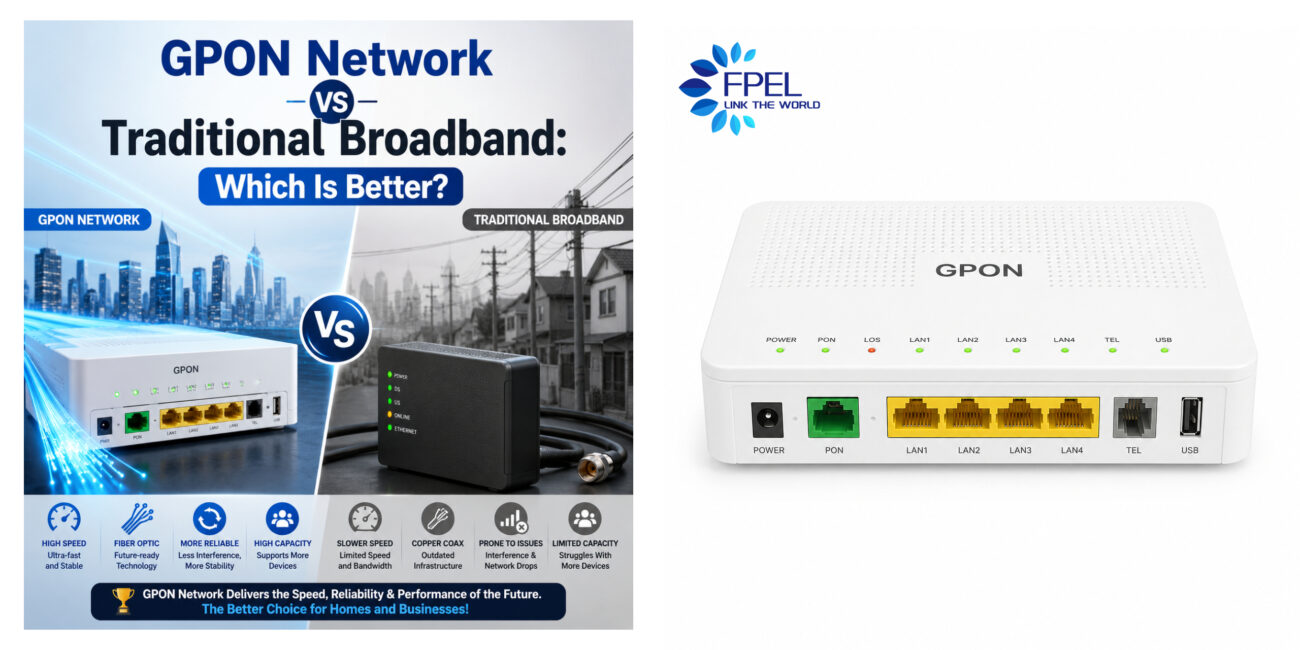
The demand for bandwidth-heavy applications is transforming digital infrastructure. As businesses adopt clud operations and smart systems, high-speed internet is essential. Gpon technology offers fast, efficient data transmission over a single fiber line, making it crucial for wholesalers and service providers to understand.
Passive optical networks improve on copper systems, delivering data, voice, and video with minimal signal loss. Gpon’s scalability also future-proofs networks, helping B2B clients maximize ROI.
Fiber deployment is rising, with 2025 data showing over 60% of new broadband subscriptions are fiber-based. Analysts expect the gpon market to grow over 12% CAGR by 2026, driven by enterprise demand for high-speed uplinks. Wholesalers must stock reliable gpon ont units and related equipment to meet market needs.
For network equipment wholesalers, gpon delivers gigabit speeds while lowering operational costs. Adding gpon solutions provides clients a competitive edge and prepares them for future data demands.
1. Why GPON Technology is Transforming Modern Infrastructure
Modern infrastructure depends on fast, reliable data transmission. This technology drives this change with a point-to-multipoint design. It uses less fiber than point-to-point systems.
This efficiency lowers costs. Network operators can serve hundreds of subscribers with one optical line terminal and fiber strand. It is ideal for large-scale wholesale projects.
Bandwidth demand is rising due to 4K video, large file transfers, and cloud collaboration. Copper networks are becoming outdated. It offers downstream speeds up to 2.5 Gbps and upstream speeds of 1.25 Gbps. This reduces latency. B2B buyers benefit from seamless service and higher customer satisfaction.

Passive optical networks are energy-efficient. Splitters require no electricity. This cuts operational costs and carbon footprints, appealing to eco-friendly organizations and smart city projects.
Gpon ont devices can be customized. Wholesalers can tailor hardware for branding or technical needs. This flexibility integrates networks with existing systems and gives suppliers a competitive edge.
1.1 Why Fiber Optic Speeds Are Crucial for Business Growth
Business growth today depends on internet speed and reliability. Organizations rely on SaaS platforms and big data analytics. Slow connectivity can stifle productivity and innovation.
This technology provides dedicated bandwidth. It ensures critical business applications perform at their peak. For wholesale buyers, offering such solutions supports the scalability of B2B clients.
High-speed fiber improves operational efficiency. This networks allow instant access to cloud resources. Remote work and global collaboration happen without lag or buffering. This is crucial for finance, healthcare, and media, where speed and data integrity matter.
Wholesalers distributing quality gpon components enable industries to operate smoothly. This drives economic growth and technological advancement.
Fiber also boosts security. Its physical protection makes tapping difficult. Combined with encryption in modern gpon ont devices, businesses gain robust cybersecurity. Fast and secure connectivity is a major selling point.
B2B customers invest in premium solutions to protect sensitive data. This makes it a high-demand product for wholesalers.
Superior connectivity gives companies a competitive edge. Businesses with gpon can use AI and IoT more effectively than those on slower networks.
By 2026, fiber-enabled businesses will outpace legacy networks. Wholesalers must stock advanced solutions to keep clients competitive.
1.2 How GPON Reduces Operational Costs for Service Providers
Reducing operational expenditure (OpEx) is a key goal for any ISP. Gpon technology is designed to achieve this. Its passive network requires little maintenance once fiber and splitters are installed.
Unlike copper, fiber is resistant to corrosion and electromagnetic interference. This durability lowers repair and replacement costs over time.
Gpon’s long-reach capability boosts cost efficiency. A single optical line terminal can serve users up to 20 km away. This reduces the need for multiple central offices. Wholesalers supplying ont units provide ISPs a highly efficient ecosystem.
This efficiency is a strong selling point for network operators concerned with both capital and operational costs.
Energy savings are another advantage. Traditional networks need powered equipment at every node, increasing electricity bills. Passive splitters in gpon consume no power, cutting energy use drastically. For large deployments, these savings can reach millions annually.
High bandwidth allows service convergence. Providers can offer internet, TV, and phone over one gpon network. This simplifies billing and support. Wholesalers supplying versatile gpon equipment help clients reduce costs and diversify revenue.
1.3 Which Customization Options Are Available for GPON Equipment
In telecom, customization often secures large contracts. Its equipment manufacturers offer many options for B2B buyers and wholesalers. These include physical branding, like logos and casing colors, and software modifications to meet network needs. This flexibility allows providers to create a unique user experience aligned with their brand.
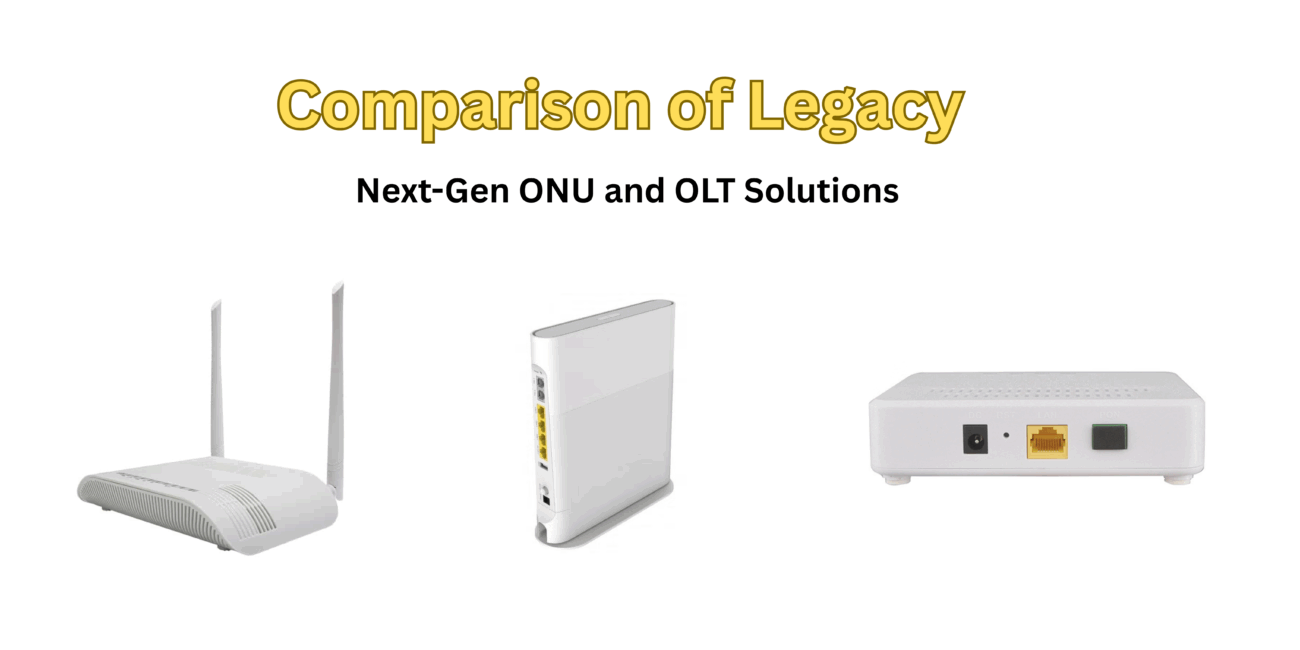
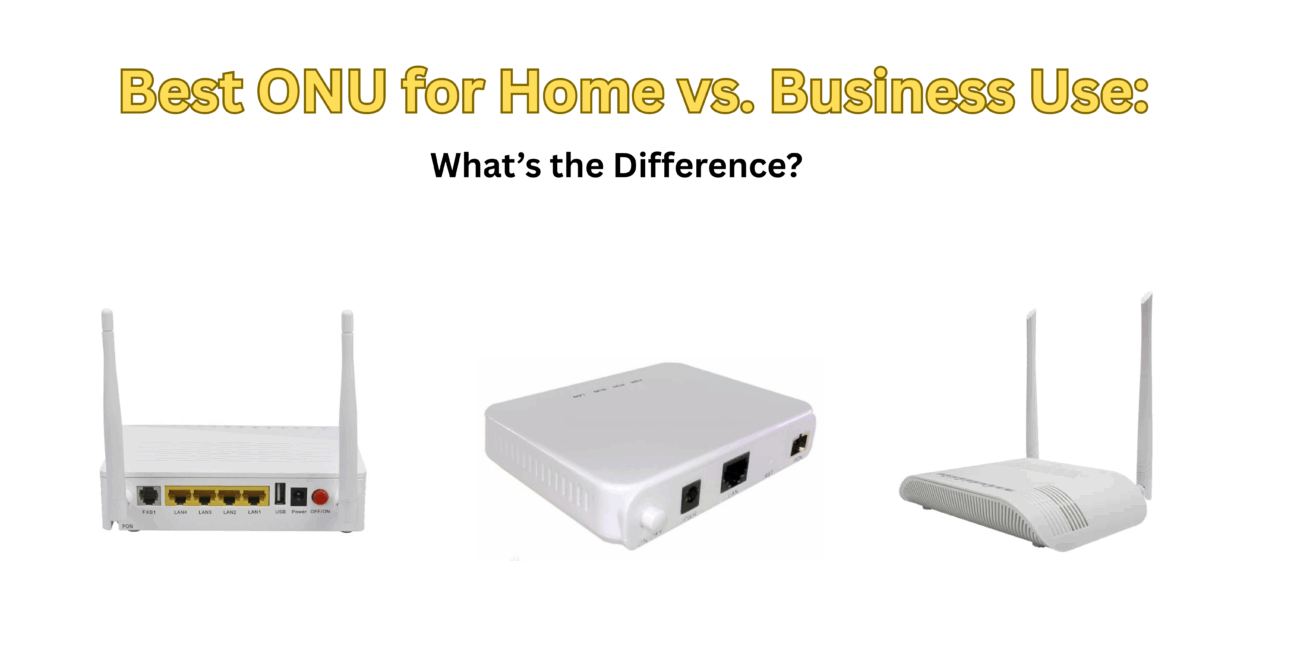
Hardware customization suits different environments. Wholesalers can order ruggedized units for outdoor industrial use or sleek designs for high-end residential deployments. Port configurations can vary, offering multiple LAN ports, Wi-Fi 6, or specific voice ports. Stocking diverse gpon hardware helps wholesalers serve hospitality, enterprise, and other market segments.
Software customization enhances integration with Operations Support Systems (OSS). Firmware can support remote management protocols and pre-configured security settings. This reduces installation time and costs, streamlining deployment for B2B clients.
Packaging and logistics are also customizable. Bulk packaging, labeled inventory, and kitted assemblies with cables, adapters, and brackets simplify procurement.
By 2026, demand for ready-to-deploy, tailored solutions will rise. Wholesalers must maintain strong ties with manufacturers to meet this need.
2. How GPON Enhances User Experience and Network Performance
The end-user experience is the ultimate metric for the success of any internet service.
This technology dramatically improves this experience. It delivers symmetrical and asymmetrical bandwidth
that far exceeds DSL or cable modems.
Users enjoy lightning-fast download speeds and much better upload speeds.
This is critical for video conferencing, cloud backups, and other high-demand applications.

For wholesalers, highlighting these user experience benefits is key.
It helps service provider clients reduce churn and increase subscriber satisfaction.
One way boosts performance is through wavelength division multiplexing (WDM).
Data is transmitted on different wavelengths: 1490 nm downstream and 1310 nm upstream.
This ensures that traffic does not collide, keeping speeds high even during peak hours.
Such efficiency is a hallmark, minimizing congestion.
In a B2B context, this reliability ensures business operations continue smoothly.
Businesses can operate without fearing network slowdowns during critical times.
GPON’s quality of service (QoS) mechanisms further refine the user experience.
Network operators can prioritize traffic types, giving latency-sensitive applications like VoIP
and streaming video the bandwidth they need over less critical data.
This intelligent traffic management often occurs at the hardware level,
inside the GPON ONT or central office equipment.
For businesses relying on real-time communications, this prioritization is essential.
It makes the preferred choice for professional environments.
This networks are also highly scalable. Adding more users has minimal performance impact
compared to shared media access networks.
Optical splitters broadcast data to all users efficiently,
while encryption ensures each user only receives their intended data.
As we move toward 2026, GPON’s ability to maintain high performance while scaling is critical.
Urban densification projects benefit greatly, creating a huge opportunity for wholesalers
to support large-scale housing and commercial developments.
2.1 How GPON Supports High-Bandwidth Applications
The modern digital ecosystem relies on high-bandwidth applications,
from 8K streaming to VR and AR.
Therefore, GPON supports these applications with massive throughput.
Unlike legacy networks, it delivers the speed required for flawless performance.
For wholesalers, targeting entertainment, gaming, and education
opens lucrative B2B opportunities.
In the corporate world, unified communications and collaboration tools require high-speed connections.
Thus, GPON ONTs ensure call and data quality remains pristine.
Wholesalers provide reliable equipment, enabling businesses to adopt advanced tools.
Moreover, IoT in smart buildings and factories deploys thousands of sensors.
While individual data is small, GPON efficiently handles aggregate traffic.
As IIoT adoption grows, demand for GPON infrastructure rises.
Finally, cloud computing relies on fast, low-latency internet.
Therefore, wholesalers advising on GPON hardware add value
and position themselves as strategic partners.
2.2 How to Implement GPON in Wholesale and B2B Scenarios
Implementing GPON technology in a wholesale or B2B scenario requires a strategic approach.
First, it is essential to balance cost, performance, and future-proofing.
To begin with, wholesalers should partner with manufacturers offering a broad GPON product portfolio,
from central office OLTs (Optical Line Terminals) to customer-premises GPON ONTs.
By doing so, the wholesaler can act as a one-stop shop for ISPs and large enterprises looking
to build or upgrade their network infrastructure.
Next, planning the GPON network architecture is critical in B2B deployments.
This involves calculating the split ratio—how many users a single fiber can serve—to optimize passive splitter usage.
While higher split ratios (like 1:64) reduce costs by serving more users per port,
they also reduce bandwidth per user. Therefore, wholesalers must educate clients on these trade-offs,
offering customized solutions that match the specific density and usage patterns of the deployment area.
Moreover, this technical expertise adds value and fosters long-term business relationships.
In addition, logistics and supply chain management are crucial.
Large-scale deployments, such as city-wide fiber projects, require timely delivery of thousands of GPON ONT units and other hardware.
Hence, wholesalers need robust inventory management systems and reliable shipping channels
to meet these demands. Furthermore, offering flexible ordering terms and warehousing options
can be decisive for B2B clients when selecting a supplier.
Finally, post-sales support and technical training complete the implementation process.
B2B customers often need assistance with GPON equipment configuration and troubleshooting.
Thus, wholesalers who provide detailed documentation, firmware updates, and access to technical support engineers
significantly enhance their value proposition.
By supporting clients throughout the GPON deployment lifecycle, wholesalers secure their position
as indispensable allies in the connectivity supply chain.
2.3 Which Market Trends Are Driving GPON Adoption in 2025-2026
The trajectory of GPON adoption is shaped by market trends through 2025–2026.
Firstly, the global push for digital equity drives rural broadband projects.
As a result, passive optical networks are mandated due to cost-effectiveness.
Consequently, wholesalers gain volume opportunities if compliance standards are met.
Secondly, 5G rollout boosts demand for high-speed fiber.
Although 5G is wireless, backhaul relies on fiber.
Therefore, optical networks support 5G infrastructure.
Thus, B2B suppliers can market it as a core 5G component.
Thirdly, smart cities need high-bandwidth networks.
Indeed, optical networks support thousands of sensors.
As urban centers invest, demand for ONTs and aggregation equipment spikes.
Consequently, this is fertile ground for wholesale growth.
Finally, remote work increases residential bandwidth needs.
Therefore, ISPs upgrade to fiber-based solutions.
Hence, wholesalers who supply quickly lead this transformation.
3. Why Choose GPON for Future-Proofing Network Infrastructure
Firstly, future-proofing is a concept that resonates deeply with network planners and B2B investors.
In particular, GPON technology is often cited as the gold standard for future-proofing
because of its ability to evolve alongside increasing data demands.
Unlike copper infrastructure, which has largely reached its physical limits,
fiber optics have a theoretical throughput far beyond current usage.

Therefore, investing in GPON today keeps infrastructure relevant for decades,
protecting business capital.
For example, GPON can be upgraded by swapping OLT and ONT electronics
without replacing fiber cables.
As new standards like XGS-PON emerge, existing fiber can be reused.
Thus, wholesalers’ products create long-term upgrade opportunities.
As cyber threats grow, GPON’s physical-layer security becomes more valuable.
Indeed, it is difficult to tap, offering superior protection over copper or wireless.
Therefore, highlighting security helps wholesalers target corporate and government clients.
Furthermore, GPON standardization ensures interoperability between vendors.
This prevents lock-in and allows B2B buyers flexibility.
As a result, wholesalers supplying standardized GPON enhance network longevity
and resale value.
3.1 Why Wholesale Partners Benefit from GPON Bulk Orders
For wholesale partners, fiber-based passive optical technology is highly favorable. Bulk hardware orders—from splitters to ONTs—allow better terms and higher margins. High volumes mean even small margins generate significant revenue.
Inventory is predictable, with standard ONTs and splitters in consistent demand, enabling lean stock and quick client turnaround, which helps secure B2B contracts. Moreover, bulk customization adds value, turning simple purchases into strategic partnerships and boosting loyalty.
As the fiber market grows toward 2026, handling complex orders will be a key differentiator. Relationship building is also critical: initial bulk orders lead to future hardware, upgrades, and replacements, making this market a strategic opportunity for sustainable growth.
3.2 How to Address Customization Needs in GPON Solutions
Addressing customization requires understanding both technology and the client’s business.
For GPON, customization ranges from LED patterns to custom chipsets.
Therefore, wholesalers bridge client needs and manufacturer capabilities,
ensuring the final ONT meets market specifications.
One strategy is tiered customization.
Standard units serve price-sensitive markets, while fully customized units target premium providers.
Thus, wholesalers maximize market reach.
Furthermore, regulatory compliance is vital.
Hence, power adapters, labeling, and internal components are customized,
adding value for international B2B buyers.
Finally, packaging and documentation customization supports branding and efficiency.
By managing these details, wholesalers provide a full GPON solution,
not just hardware, driving business success.
3.3 Which Strategic Advantages Does GPON Offer Over Competitors
When comparing GPON to technologies like Active Ethernet, EPON, or DOCSIS, several advantages stand out.
Firstly, the cost efficiency of the passive optical architecture is key. Because it uses passive splitters instead of active switches, the cost per port is lower. This allows service providers to offer competitive pricing while maintaining healthy margins. Therefore, wholesalers can market this cost-benefit to budget-conscious B2B buyers.
Secondly, it excels in bandwidth efficiency. Its framing structure is more efficient than EPON, allowing higher data rates and more users per fiber. As data usage grows in 2025 and beyond, this spectral efficiency becomes a critical asset. Thus, highlighting this technical superiority positions ONTs as a premium choice.
Furthermore, its ecosystem is mature. Indeed, it is an ITU-T standard (G.984) with global interoperability and a strong supply chain. Hence, equipment is reliable, available, and competitively priced, giving B2B clients supply chain stability.
Finally, the upgrade path to XGS-PON and NG-PON2 coexists on the same fiber. This allows operators to introduce higher-speed services gradually. Therefore, wholesalers can guide clients through upgrades, maintaining a continuous business relationship.
Conclusion
The trajectory of global connectivity is unmistakably steering towards fiber optics, with high-speed internet delivery becoming efficient, secure, and cost-effective—the backbone of modern digital infrastructure. For businesses, wholesalers, and service providers, adopting this technology is not just about meeting current demands but laying a foundation for future growth. Statistics from 2025 and projections for 2026 show the market expanding rapidly, driven by insatiable bandwidth needs and the proliferation of smart devices.
Wholesale and customization opportunities in this sector are vast. By offering tailored optical network solutions, bulk supply capabilities, and technical expertise, wholesalers can unlock significant value. Focusing on B2B relationships builds sustainable partnerships based on reliable delivery of critical network components. As infrastructure projects grow more complex, the role of a knowledgeable wholesaler who understands these networks becomes increasingly vital.
In conclusion, the shift to fiber-based networks is a strategic imperative. It ensures business growth through speed and reliability and delivers efficient, scalable architecture. Partnering with a supplier who understands the intricacies of GPON is essential to capitalize on this booming market and build network infrastructure that lasts.
Frequently Asked Questions
1. What does GPON stand for and how does it function?
GPON stands for Gigabit Passive Optical Network. It is a point-to-multipoint network architecture that uses fiber optics to deliver data, voice, and video services. In a gpon network, a single optical fiber from the service provider’s central office is split using passive splitters to serve multiple subscribers (up to 64 or 128). Data is transmitted downstream to users at speeds of up to 2.5 Gbps and upstream at 1.25 Gbps. The gpon ont (Optical Network Terminal) at the user’s end converts the optical signal back into electrical signals for use by routers, phones, and computers.
2. Why is GPON considered more cost-effective than other fiber technologies?
The cost-effectiveness of gpon stems from its passive architecture. Unlike Active Ethernet or traditional copper networks that require powered switching equipment at every node or distribution point, gpon uses passive, unpowered splitters. This significantly reduces operational expenditures (OpEx) related to power consumption, cooling, and maintenance. For wholesalers and ISPs, this means lower infrastructure costs and the ability to serve more customers with less hardware, making it a highly efficient solution for wide-scale deployments.
3. Can GPON equipment be customized for specific branding or technical requirements?
Yes, customization is a major advantage of sourcing gpon equipment through specialized B2B channels. Manufacturers and wholesalers often provide OEM/ODM services that allow for extensive customization. This includes physical branding such as company logos and specific casing colors, as well as hardware modifications like port configurations (e.g., adding extra LAN ports or USB). Additionally, the software inside the gpon ont can be customized to integrate seamlessly with a service provider’s management system or to feature specific user interfaces.
4. What is the difference between an OLT and an ONT in a GPON network?
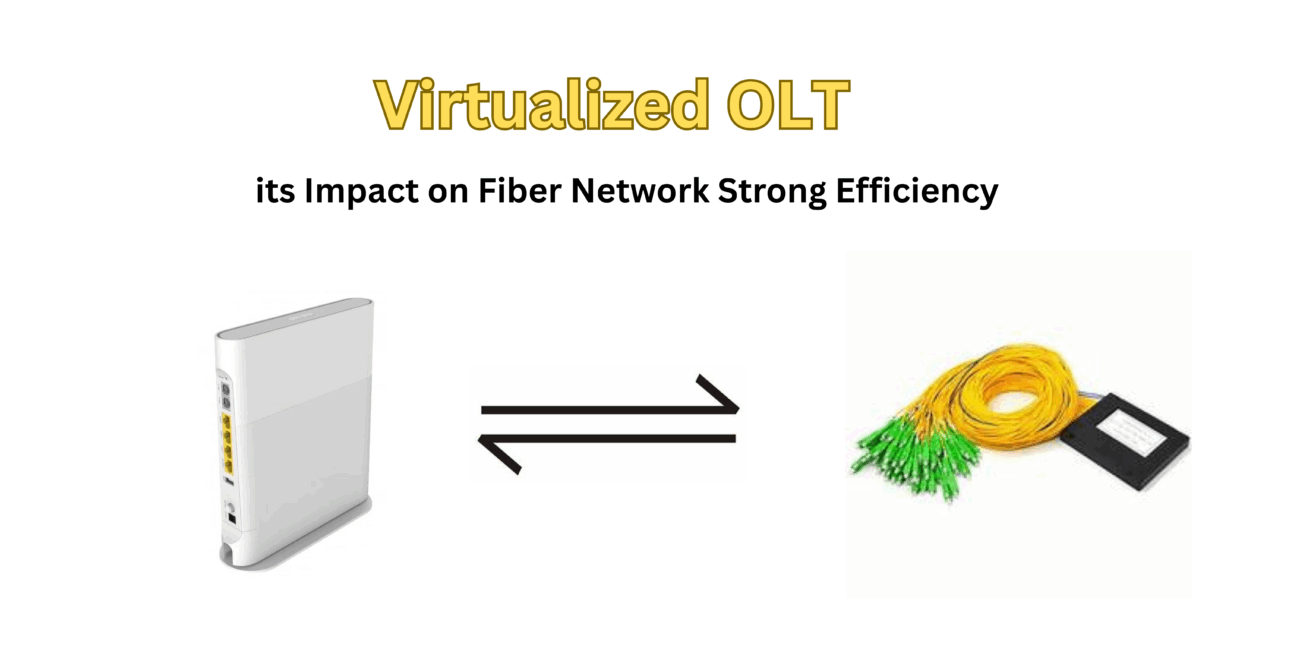
In a gpon network, the OLT (Optical Line Terminal) resides at the service provider’s central office. It acts as the aggregation point, converting electrical signals from the core network into optical signals to be sent over the fiber. The gpon ont (Optical Network Terminal), also sometimes referred to as an ONT (Optical Network Unit), is located at the customer’s premises. Its function is the reverse: it receives the optical signal from the fiber and converts it into Ethernet and voice signals for the end-user’s devices.
5. How does GPON support high-bandwidth business applications?
gpon technology is designed to handle heavy data loads efficiently, making it ideal for modern business applications. With downstream speeds of 2.5 Gbps, it easily supports bandwidth-intensive tasks such as 4K video conferencing, large cloud file transfers, and real-time collaboration tools. The technology utilizes Quality of Service (QoS) mechanisms to prioritize critical traffic, ensuring that latency-sensitive applications like VoIP and ERP systems run smoothly without interruption, which is a critical selling point for B2B clients.
6. Is GPON suitable for future-proofing network infrastructure?
Absolutely. One of the primary reasons businesses choose GPON is its scalability and future-proofing capabilities. While current standards offer 2.5 Gbps speeds, the fiber infrastructure laid for this technology is compatible with next-generation standards like XGS-PON (10 Gbps). This means that when higher speeds are needed, network operators often only need to upgrade the electronics (the OLT and ONT) rather than digging up and replacing the fiber cables, protecting the long-term investment.
7. What are the minimum order requirements for wholesale GPON products?
Minimum order quantities (MOQs) for gpon products typically vary depending on the level of customization required. For standard, off-the-shelf gpon ont units, wholesalers may offer lower MOQs to accommodate smaller pilots or restocking. However, for fully customized solutions involving specific molding, branding, or firmware development, manufacturers generally require higher MOQs to offset the initial setup costs. It is advisable for B2B buyers to discuss their volume needs directly with suppliers to negotiate favorable terms.
8. How secure is a GPON network compared to copper or wireless networks?
This network is inherently more secure than copper or wireless alternatives. Physically tapping into a fiber optic cable is extremely difficult and detectable, unlike copper wires which can be tapped electromagnetic interference. Furthermore, gpon uses advanced encryption standards (such as AES) for downstream traffic. Since the data is broadcast to all users on a splitter but encrypted so that only the intended gpon ont can decrypt it, the risk of data theft is minimized significantly.
9. What market trends are driving the demand for GPON in 2025 and 2026?
The demand for gpon is being driven by the global expansion of 5G networks, the rise of Smart City projects, and the persistent shift toward remote work. As 5G towers require fiber backhaul, and smart cities deploy thousands of IoT sensors, the need for high-capacity gpon infrastructure skyrockets. Industry statistics for 2025 indicate a surge in fiber-to-the-home (FTTH) projects, a trend expected to continue into 2026, creating a robust market for wholesale gpon equipment.
10. How can wholesalers ensure they are sourcing high-quality GPON equipment?
Wholesalers should partner with manufacturers that adhere to international standards such as ITU-T G.984 for gpon and possess relevant certifications (CE, FCC, RoHS). It is crucial to verify that the gpon ont and other equipment are compatible with major OLT vendors like Huawei, ZTE, or Nokia to ensure interoperability. Requesting product samples for testing and ensuring the supplier offers a solid warranty and technical support are also key steps in guaranteeing quality for B2B buyers.