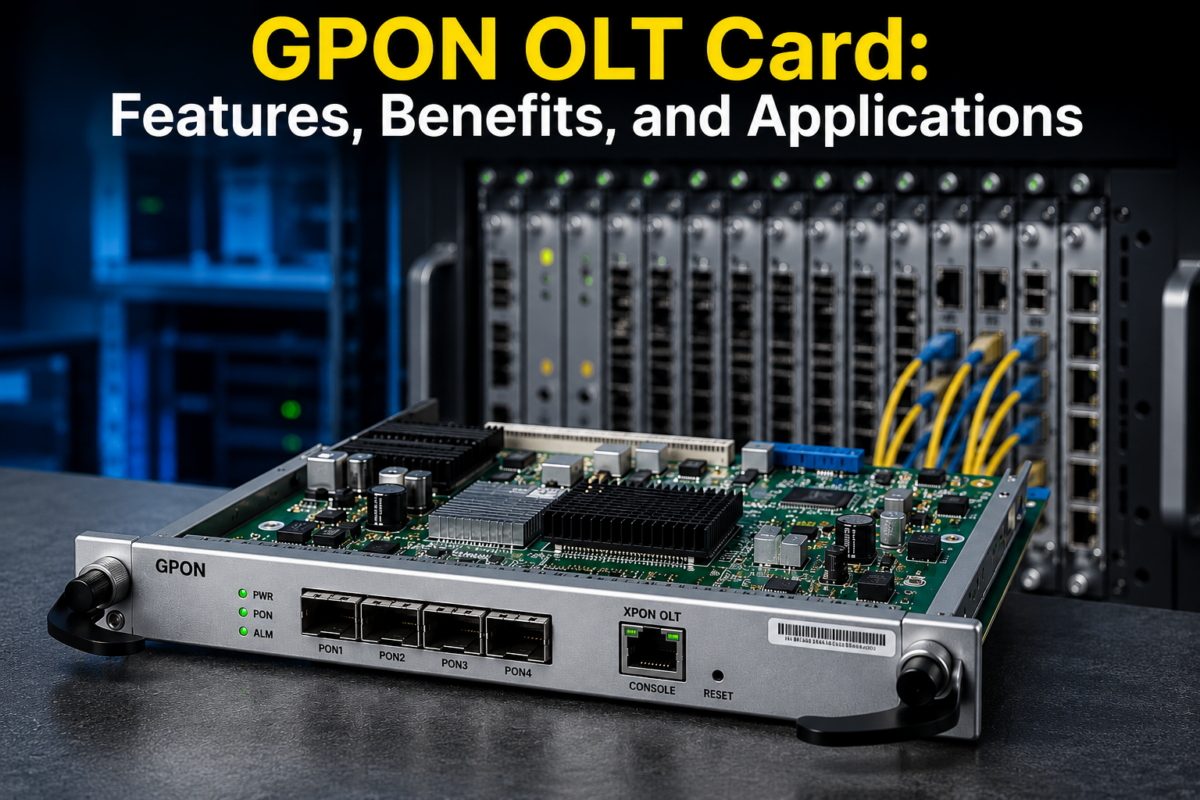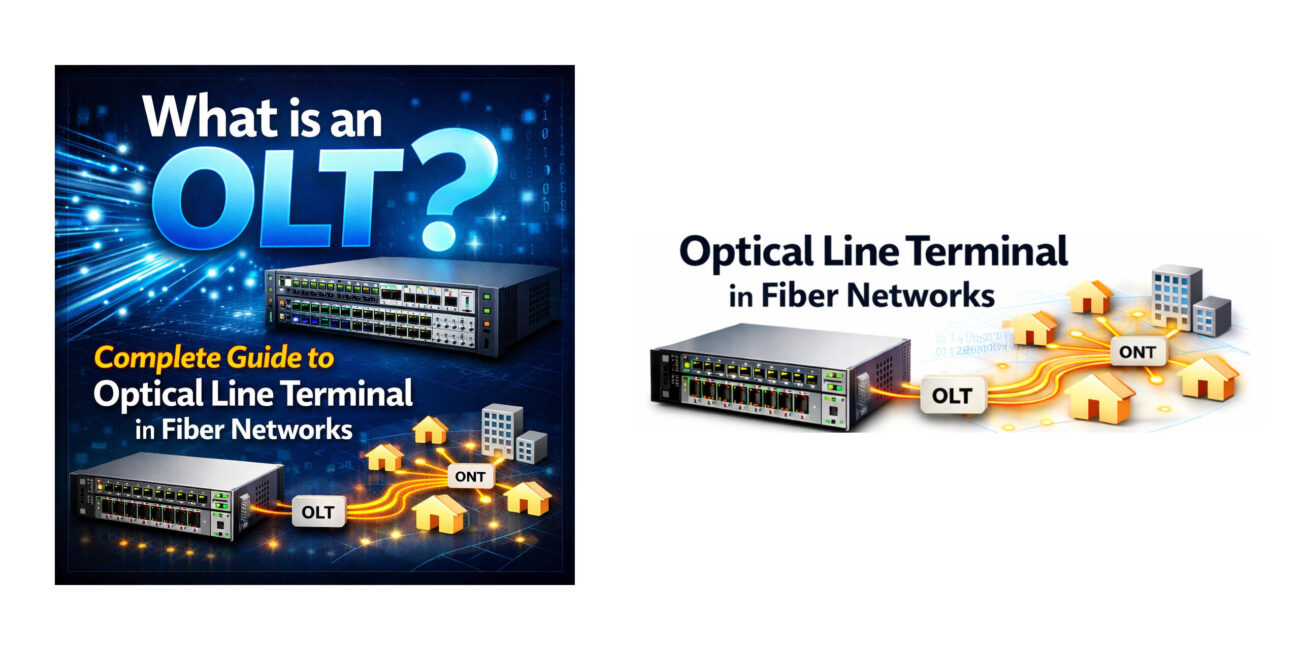


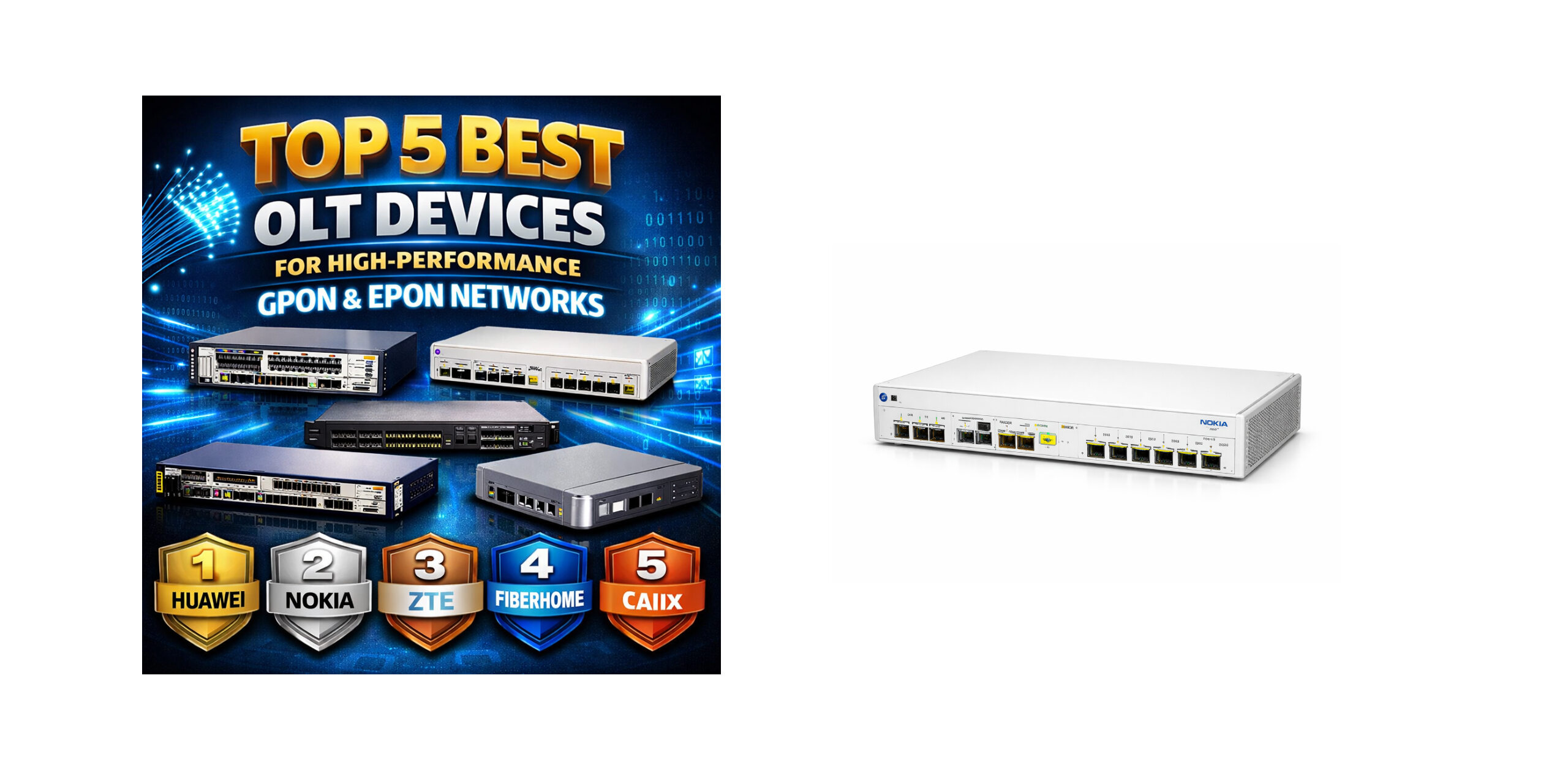
The demand for robust fiber optic networks continues to surge as global connectivity requirements expand. For internet service providers and network infrastructure builders, selecting the Optical Line Terminal (OLT) is a critical decision that dictates network capacity, longevity, and user experience. Understanding the landscape of available hardware is essential for making an informed investment. This guide explores the top contenders in the market, focusing on performance, scalability, and commercial viability for wholesale operations.
1. Why the Right OLT is Essential for ISP Networks
The choice of an Optical Line Terminal serves as the cornerstone of any Fiber-to-the-Home (FTTH) or Fiber-to-the-Business (FTTB) deployment. It acts as the service provider endpoint, converting electrical signals used by the ISP’s network into optical signals for transmission over fiber optic lines to subscribers. Selecting the best OLT ensures that the network can handle increasing bandwidth demands without necessitating frequent, costly hardware overhauls. A superior OLT provides the stability required for high-density environments, ensuring low latency and high throughput for services like 4K streaming, online gaming, and enterprise cloud applications.
Investing in high-quality OLT hardware significantly impacts long-term operational expenditure. While initial acquisition costs are a major consideration, the efficiency and reliability of the device influence maintenance expenses and power consumption. Wholesale buyers must recognize that cheaper, lower-quality alternatives often lead to higher failure rates and increased technical support burdens. Therefore, focusing on the best OLT options involves a total cost of ownership analysis, where performance reliability and vendor support play pivotal roles in protecting the investment and ensuring subscriber satisfaction.
The competitive landscape for internet service provision is fierce, making network reliability a key differentiator. Subscribers expect uninterrupted service, and network downtime directly translates to revenue loss and reputational damage. A top-tier OLT incorporates advanced redundancy features, such as dual power supplies and hot-swappable modules, which minimize service interruptions during hardware failures or maintenance activities. This level of resilience is vital for maintaining Service Level Agreements (SLAs) and fostering trust with business and residential clients alike.
Furthermore, the scalability of the chosen OLT infrastructure determines how easily a provider can grow its subscriber base. The best OLT devices offer modular designs that allow operators to expand port counts incrementally as demand increases, rather than requiring entirely new chassis installations. For wholesale distributors and large-scale ISPs, this modularity offers a flexible path to growth, allowing capital expenditure to align more closely with revenue generation. This adaptability ensures that the network remains future-proof against evolving technologies and shifting market demands.
1.1 How Market Trends in 2025 Influence OLT Choices
The telecommunications landscape in 2025 is defined by the exponential growth of data traffic driven by IoT devices and smart city initiatives. According to recent industry reports, global IP traffic is expected to triple by 2026, necessitating equipment that can manage massive data loads efficiently. Modern OLTs are increasingly expected to support higher split ratios and throughput capabilities, accommodating the convergence of residential, mobile fronthaul, and business services on a single platform. This trend compels manufacturers to innovate, producing devices that are not only powerful but also energy-efficient.
Market projections for 2026 indicate a significant shift towards 10G-GPON and XGS-PON technologies as standards for high-speed broadband. As service providers prepare to multi-gigabit speeds, backward compatibility remains a crucial factor. The best OLT choices for 2025 are those that support hybrid configurations, allowing GPON, EPON, and 10G-PON to coexist within the same chassis. This flexibility enables a smooth transition path for networks, allowing providers to upgrade specific user groups or neighborhoods without dismantling existing infrastructure.
Another prominent trend is the increasing demand for software-defined networking (SDN) capabilities within access networks. Network operators are seeking OLTs that offer open interfaces and better integration with Network Management Systems (NMS) for automated provisioning and traffic management. The focus is shifting towards reducing operational complexity through intelligent automation, which reduces the need for manual configuration and troubleshooting. Consequently, wholesale buyers are prioritizing vendors that provide robust software ecosystems alongside their hardware, ensuring seamless integration into modern operational workflows.
Customization has also emerged as a key differentiator in the 2025 market. Service providers are looking for tailored solutions that fit specific deployment scenarios, whether it is a compact unit for a cabinet or a high-density chassis for a central office. Manufacturers that offer extensive customization options regarding port configurations, interface types, and software features are gaining a competitive edge. This demand for bespoke solutions allows wholesalers to cater to niche market segments, offering specialized equipment that addresses unique geographical or technical requirements.
1.2 Which Key Features Determine the Best OLT Performance
Determining the performance of an OLT involves evaluating several technical specifications that directly affect network efficiency. The switching capacity and forwarding rate are fundamental metrics; they dictate how much data the device can process without bottlenecks. For high-performance GPON and EPON networks, a high switching capacity ensures that during peak usage times, all subscribers receive their allocated bandwidth without contention. High port density is another critical feature, allowing more subscribers to connect to a single chassis, which optimizes rack space and reduces power consumption per user.
Thermal management and power efficiency are equally important for sustained performance. OLTs generate significant heat, especially when operating at full capacity with multiple GPON or EPON line cards. The best devices utilize advanced cooling mechanisms, such as variable-speed fans and optimized airflow designs, to maintain optimal operating temperatures. Efficient thermal management extends the lifespan of the components and reduces the likelihood of overheating-related failures. Additionally, energy-efficient designs help lower operational costs, a crucial factor for large-scale deployments where power usage is substantial.
Security features are paramount in protecting both the network infrastructure and subscriber data. Advanced OLTs include robust security mechanisms such as Access Control Lists (ACLs), DHCP snooping, and Dynamic ARP Inspection to prevent malicious attacks. With the rise of cyber threats, ensuring that the OLT can withstand unauthorized access and mitigate denial-of-service attacks is non-negotiable. These security protocols must be easily configurable and customizable to meet the specific policy requirements of different service providers and regulatory environments.
Finally, the quality of service (QoS) capabilities defines how well the network can prioritize different types of traffic. A top-performing OLT allows for granular traffic classification and scheduling, ensuring that latency-sensitive applications like voice and video receive priority over less time-critical data transfers. This ability to manage traffic effectively ensures a consistent user experience even under heavy load. For wholesale buyers, verifying that an OLT supports sophisticated QoS standards is essential for guaranteeing that the end-user experience meets the high expectations of the modern broadband consumer.
1.3 How Customization Enhances Wholesale Value Propositions
For wholesale distributors and system integrators, the ability to offer customized OLT solutions significantly enhances their value proposition. Standard off-the-shelf products may not always align with the specific technical or commercial requirements of every client. By partnering with manufacturers that offer flexible customization options, wholesalers can tailor hardware configurations to suit specific deployment environments, such as rural areas with limited power supply or dense urban centers requiring maximum port aggregation. This adaptability allows wholesalers to address a broader range of customer pain points effectively.
Customization extends beyond hardware specifications to include software features and branding. Many ISPs prefer to deploy equipment with their own branding, logos, and specific software interfaces to maintain a consistent corporate identity. Manufacturers that provide OEM/ODM services enable wholesalers to supply white-label products that strengthen their client relationships. This level of service fosters deeper partnerships, as clients perceive the wholesaler as a solutions provider rather than merely a box mover, adding significant value to the transaction.
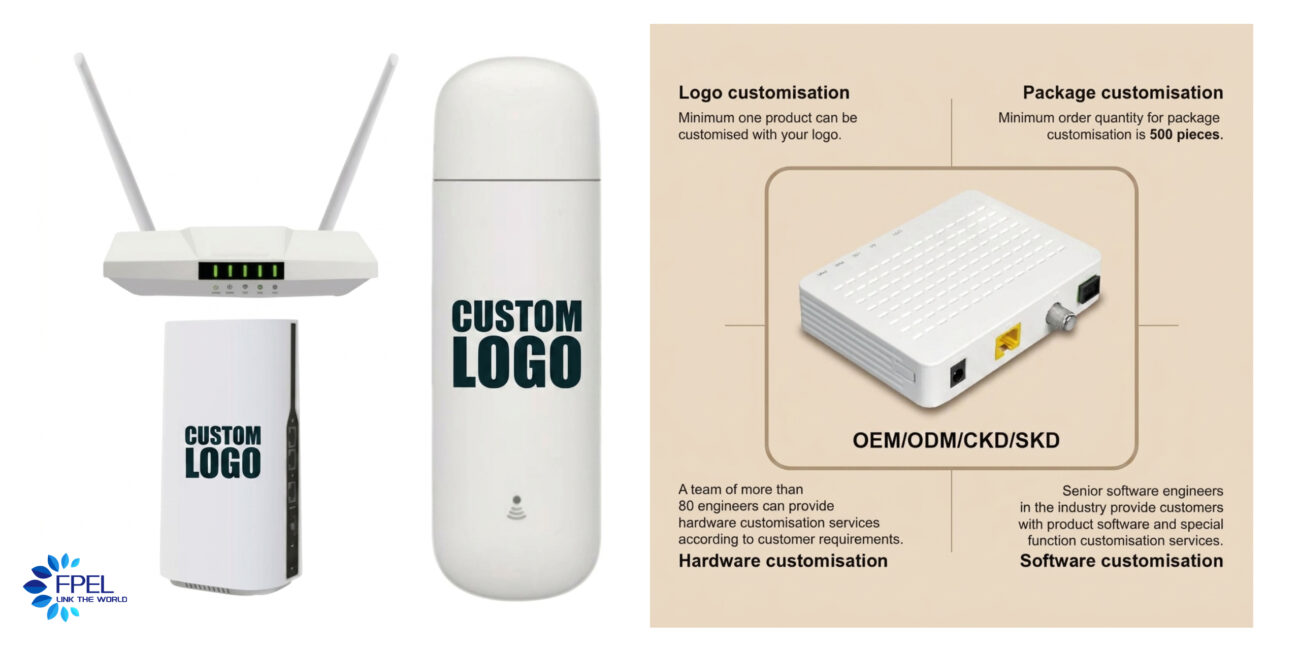
Financial flexibility is another dimension where customization plays a vital role. Wholesale orders often involve significant capital outlay, and the ability to negotiate pricing structures based on volume and configuration is critical. Custom solutions allow for the optimization of OLT cost by removing unnecessary features or including only specific modules required by the project. This a la carte approach to hardware configuration ensures that the buyer is not paying for unused capacity, thereby maximizing the return on investment and making the overall project more financially viable.
Furthermore, tailored logistical solutions such as customized packaging, firmware pre-loading, and specific connector types streamline the deployment process for large projects. When wholesalers can deliver equipment that is ready to install out of the box, it reduces the technical overhead and deployment time for their clients. This efficiency is highly valued in fast-paced rollouts where time-to-market is a critical competitive factor. Ultimately, a strong focus on customization empowers wholesalers to deliver superior, client-specific solutions that drive business growth.
2. How to Analyze OLT Cost and OLT Prices for Budget Optimization
Navigating the financial aspects of network deployment requires a deep understanding of OLT cost structures and pricing models. Price is often the most visible factor, but it rarely tells the complete story of value. Budget optimization involves dissecting the quoted price to understand what is included, such as warranty duration, software licensing, and technical support packages. Buyers must look beyond the sticker price to evaluate the long-term financial implications, including upgrade paths and the cost of expansion modules. A holistic view of OLT prices ensures that capital is allocated efficiently without compromising on network quality or future readiness.
The concept of total cost of ownership (TCO) is indispensable when analyzing OLT investments. Initial acquisition costs are just one piece of the puzzle; operational expenses such as electricity, cooling, and maintenance must be factored in. An OLT with a higher upfront price but superior energy efficiency can actually be more economical over a five-year period compared to a cheaper, power-hungry alternative. Wholesale buyers should encourage their clients to consider TCO calculations, emphasizing the savings generated through reduced power bills and lower failure rates over the equipment’s lifecycle.
Market dynamics significantly influence OLT prices, with fluctuations driven by component shortages and technological advancements. The cost of optical chips and memory modules can vary, impacting the final price of networking equipment. Additionally, as newer technologies like XGS-PON become more mainstream, the prices of legacy GPON and EPON equipment may shift. Staying informed about these market trends allows wholesalers to time their purchases strategically, locking in favorable pricing when component costs dip or before new technology releases cause older inventory to depreciate.
Scalability costs must also be scrutinized to ensure budget optimization. Some OLT chassis may appear inexpensive initially but require expensive proprietary modules or licenses to unlock full functionality. Conversely, other vendors might offer a more inclusive pricing model where the base unit comes with essential software features. Understanding these pricing nuances is crucial for avoiding “hidden costs” that can inflate the budget unexpectedly. A thorough analysis of the pricing structure for port expansion, software upgrades, and license renewals is essential for accurate financial planning.
2.1 Why OLT Cost Varies Across Different Vendors and Models
The disparity in OLT cost among various vendors can be attributed to several factors, ranging from research and development investments to manufacturing quality. Established brands with a proven track record often command premium prices due to the perceived reliability and comprehensive support structures they offer. These vendors invest heavily in R&D to ensure their equipment meets rigorous international standards and interoperability requirements. The premium paid often covers the assurance of compatibility with a wide range of Optical Network Units (ONUs) and third-party management systems, reducing integration risks.
Conversely, emerging manufacturers or value-oriented brands may offer lower OLT prices by streamlining their operations or focusing on specific market niches. While these options can provide cost savings, they may come with trade-offs in terms of advanced features, software maturity, or global support availability. However, for many deployment scenarios, especially where budget constraints are tight, these cost-effective alternatives provide a viable entry point into fiber networking. It is crucial to evaluate whether the cost savings justify the potential limitations in features or the learning curve associated with new or niche equipment.
Manufacturing scale and supply chain efficiency also play significant roles in determining pricing. Vendors with high-volume production capabilities can achieve economies of scale, allowing them to offer competitive OLT prices while maintaining quality margins. Furthermore, the geographic location of manufacturing facilities impacts costs due to labor rates and tariffs. Wholesale buyers often benefit from sourcing directly from regions with strong manufacturing ecosystems, bypassing middlemen and obtaining better pricing structures through direct factory relationships or authorized distributor channels.
Technological obsolescence is another factor influencing cost variance. Older generation OLTs that support only GPON or EPON are generally less expensive than next-gen models that support XGS-PON or 25G PON. However, purchasing older technology solely based on price can be a short-sighted strategy if the network needs to evolve quickly. The variation in price often reflects the device’s ability to support future bandwidth requirements. Buyers must balance the immediate budgetary constraints with the strategic necessity of deploying technology that will remain relevant for the foreseeable future.
2.2 Which Pricing Strategies Work Best for Wholesale Purchases
Volume-based discounting is the most common and effective strategy for managing OLT prices in wholesale transactions. Manufacturers are typically willing to offer significant price breaks for large orders that guarantee production volume. Wholesalers should negotiate tiered pricing structures where the unit cost decreases as the order quantity increases. This approach not only lowers the per-unit cost but also allows for better inventory management, enabling the wholesaler to stock sufficient quantities to meet sudden demands from large ISP rollout projects without eroding profit margins.
Bundle pricing strategies can further optimize costs when purchasing comprehensive network solutions. Instead of buying OLT chassis and line cards separately, wholesalers can negotiate packages that include a mix of chassis, GPON/EPON cards, and even compatible ONUs. Bundling provides leverage during negotiations, as the aggregate value of the contract is higher. Suppliers are more likely to offer favorable terms on OLT cost when they secure a larger share of the customer’s overall network equipment spend, creating a win-win scenario for both parties.
Long-term partnership agreements offer another avenue for securing stable OLT prices. By committing to a preferred vendor status for a defined period, wholesalers can lock in prices, protecting themselves from market volatility and component cost inflation. These agreements often come with additional benefits such as priority allocation of stock during shortages, extended payment terms, and access to beta firmware or new product releases. Establishing a strategic partnership shifts the relationship from transactional to collaborative, fostering better support and pricing consistency.
Finally, exploring regional sourcing options can yield cost benefits due to reduced shipping fees, customs duties, and shorter lead times. Wholesalers operating in specific regions should evaluate local manufacturers or assembly options that might offer competitive OLT prices compared to international brands. Reducing logistics costs directly impacts the bottom line, making the final offer to the end customer more attractive. A diversified sourcing strategy that combines global brands with regional manufacturers can provide a balanced portfolio of quality and cost-effectiveness.
2.3 How to Balance Quality and OLT Prices in Procurement
Achieving the right balance between quality and price is the holy grail of procurement for networking equipment. One effective strategy is to adopt a “fit-for-purpose” methodology, which involves matching the equipment specifications exactly to the application requirements. For instance, a small-scale deployment in a rural area might not require the ultra-high density and redundancy features of a carrier-grade chassis used in a metropolitan core network. By accurately assessing the technical requirements, buyers can avoid over-engineering the solution and paying a premium for unnecessary capabilities.
Reliability testing and field trials are essential steps in validating quality before committing to a bulk purchase. Before finalizing an order based on attractive OLT prices, prudent wholesalers should request sample units for rigorous testing in a lab environment. This testing phase verifies the device’s performance under load, its thermal behavior, and the stability of its management software. Investing time in this validation process mitigates the risk of deploying sub-standard equipment, ensuring that the lower price does not translate into higher failure rates and operational disruptions later on.
Warranty and post-sales support services are tangible components of quality that should be factored into the cost equation. A slightly higher price that includes an extended warranty, next-business-day hardware replacement, and access to skilled technical engineers often provides better value than a cheaper option with minimal support. Network downtime is expensive, and the ability to quickly resolve hardware issues is invaluable. Therefore, the cost of support should be weighed against the potential revenue loss from network outages, highlighting the true value of premium support.
Leveraging community feedback and case studies can also aid in assessing the quality-price ratio. Researching the experiences of other ISPs that have deployed specific OLT models provides real-world insights into their performance and durability. Industry forums and technical discussions often reveal common issues or strengths that are not apparent in marketing materials. By synthesizing this qualitative data with quantitative pricing information, procurement teams can make informed decisions that optimize the balance between expenditure and network reliability.
3. Which are the Top 5 Best OLT Devices for GPON & EPON Networks
Identifying the best OLT devices requires a comprehensive evaluation of performance, features, and market reputation. The following list highlights top-performing devices that cater to various scales of network deployment, from small WISPs to large-scale carrier operations. These selections are based on their ability to support both GPON and EPON standards, their scalability, and their overall value proposition in the wholesale market. Each device offers unique advantages that make it suitable for specific network architectures and business models.
The criteria for selecting these top contenders include high port density, robust switching capacity, and advanced software features for network management. Compatibility with a wide range of third-party ONUs is also a critical factor, ensuring that operators are not locked into proprietary ecosystems. Furthermore, the physical design and thermal efficiency of these devices have been assessed to guarantee reliable operation in diverse environmental conditions. These models represent the pinnacle of current access network technology, providing the foundation for next-generation broadband services.
1. Huawei SmartAX MA5608T Renowned for its compact design and versatility, the Huawei SmartAX MA5608T is a favorite for small to medium-sized deployments. It supports both GPON and EPON technologies, offering flexible service configurations. Despite its small footprint, it delivers impressive performance, making it ideal for space-constrained environments like street cabinets or remote nodes. Its ability to support various上行(uplink) interfaces, including GE and 10GE, ensures seamless integration into aggregation networks. The MA5608T is widely regarded for its reliability and ease of management, making it a staple for many network operators.
2. ZTE C320 The ZTE C320 is a workhorse in the access network industry, known for its high density and scalability. This chassis-based OLT can accommodate a large number of GPON and EPON service cards, making it suitable for large OLT deployments in central offices. Its modular architecture allows for easy upgrades to higher bandwidth standards, protecting the operator’s investment. The C320 also features advanced QoS and robust security mechanisms, ensuring high-quality service delivery for diverse subscriber profiles. It is a top choice for operators looking for a balance of capacity and long-term evolution.
3. VSOL V1600G2 VSOL has made significant inroads into the market with cost-effective yet reliable solutions, and the V1600G2 is a prime example. This 1U OLT supports up to 4 GPON or EPON ports, offering a perfect entry-level solution for new ISPs or private networks. Its low power consumption and fanless design options make it suitable for quiet indoor environments. The V1600G2 is particularly attractive in the wholesale market due to its competitive price point without compromising on essential features. It supports the standard OLT management protocols, making it easy to integrate into existing network management frameworks.
4. FiberHome AN5500 Series FiberHome is a major player in the global telecommunications infrastructure market, and their AN5500 series of OLTs are widely deployed by major carriers. These devices are characterized by their high stability and carrier-grade reliability. The series includes models that cater to different deployment scenarios, from compact boxes to massive chassis designed for millions of subscribers. The AN5500 series excels in supporting multi-service access, integrating broadband, VoIP, and TDM services efficiently. Their strong presence in Asia and expanding global footprint makes them a reliable choice for large-scale infrastructure projects.
5. Cisco NCS 1004/1001 Series For enterprise and high-performance service provider networks, Cisco offers the NCS series which includes powerful OLT capabilities tailored for converged infrastructures. While often positioned at the higher end of the price spectrum, Cisco devices offer unparalleled interoperability and security features. The NCS series is designed for operators who demand rigorous standards compliance and deep integration with broader IP/MPLS networks. Their robust support ecosystem and advanced SDN capabilities make them the “best OLT” choice for complex, mission-critical networks where performance and support are paramount over raw hardware cost.
3.1 Why These Models Stand Out in the Wholesale Market
These specific models have gained prominence in the wholesale market due to their proven track records and commercial flexibility. Wholesalers prioritize products that have high turnover rates and consistent demand from service providers. The Huawei and ZTE models, for instance, are ubiquitous in the industry, meaning there is a steady market for spares, expansions, and new installations. Their widespread adoption creates a virtuous cycle of availability and competitive pricing, making them safe and profitable stock items for distributors focusing on volume sales.
The VSOL and FiberHome models address the critical need for affordable, high-performance solutions in emerging markets. VSOL, in particular, has carved a niche by offering products that drastically lower the barrier to entry for new internet service providers. This accessibility drives volume in the wholesale channel, as regional distributors can equip micro-ISPs with complete network solutions at a fraction of the cost of premium brands. This focus on cost-performance ratio ensures that these devices remain high-volume movers in the B2B space, catering to the rapidly expanding demand for connectivity in developing regions.
For the high-end segment, devices like the Cisco NCS series appeal to wholesale clients servicing enterprise clients and government contracts. These projects often have stringent compliance requirements and larger budgets, justifying the higher OLT prices. Wholesalers catering to this tier value the prestige and reliability associated with the brand, as it simplifies the sales process when bidding for large-scale tenders. The ability to offer a recognized premium brand helps wholesalers position themselves as suppliers of top-tier infrastructure solutions.
Another differentiator is the availability of supply chains and logistics support for these brands. Established manufacturers have robust distribution networks that ensure timely delivery of equipment, a crucial factor for project rollouts. Wholesalers rely on the predictability of supply to meet their own commitments to customers. These top 5 models are supported by manufacturers with global reach, reducing the risk of long lead times or stock shortages that can plague lesser-known brands. This reliability in supply chain execution enhances the overall value proposition for wholesale buyers.
3.2 How to Select the Right Model Based on Port Density and Scalability
Selecting the right model begins with a thorough assessment of current subscriber numbers and projected growth over the next 3 to 5 years. For initial rollouts or pilot projects, compact OLTs like the VSOL V1600G2 or Huawei MA5608T are ideal due to their lower initial cost and ease of deployment. These devices allow operators to start small and prove the business model without incurring the heavy capital expense of a large chassis. However, it is vital to ensure that even these smaller units can be managed effectively within a broader network management system as operations scale.
As the subscriber base expands into the thousands, the limitations of fixed-port small boxes become apparent. At this stage, migrating to a modular chassis like the ZTE C320 or FiberHome AN5500 becomes necessary. These systems offer hot-swappable cards, allowing operators to add new GPON or EPON ports without disrupting active services. The scalability of these chassis means that an ISP can grow from a few hundred users to tens of thousands by simply adding more line cards and upstream modules, all within the same physical rack space. This modular scalability is key to managing CAPEX effectively as the network grows.
Future-proofing is also a critical consideration when evaluating port density. Operators must consider whether the selected chassis supports emerging standards like XGS-PON or 25G PON. Selecting a platform that supports mixed card operation enables a smooth migration path. For instance, an ISP can run existing GPON users on current cards while adding new 10G PON cards for high-demand users or business clients, all within the same chassis. This flexibility prevents the need for parallel infrastructure, optimizing both physical space and operational complexity.
Furthermore, the upstream capacity of the OLT must align with the aggregation of user traffic. A high-density OLT filled with GPON ports can generate immense traffic, requiring robust 10G, 40G, or even 100G uplink capabilities to the core network. Buyers must verify that the OLT switching fabric is non-blocking and can handle the aggregate throughput of all subscriber ports at line rate. Ensuring that the backplane capacity exceeds the total sum of port capacities guarantees that the OLT will not become a bottleneck as user bandwidth consumption increases.
3.3 Which Customization Options are Available for These Top OLTs
Customization options for these top OLT models vary significantly depending on the manufacturer’s policy and the volume of the order. Major brands like Huawei and ZTE often have fixed standard configurations (BOMs) but offer flexibility in software licensing and feature activation. Wholesale buyers can negotiate specific software packages that include or exclude certain advanced features like advanced routing or ACLs, thereby optimizing the OLT cost based on actual usage requirements. Hardware customization for these brands is typically possible for very large orders, allowing for specific port combinations or custom branding.
For brands like VSOL and FiberHome, which are highly active in the OEM/ODM space, customization options are far more extensive. These manufacturers can produce OLTs with custom logos, specific color schemes, and tailored boot screens to help wholesalers build their own brand identity. Hardware-wise, they can modify port configurations, such as offering different combinations of GPON and EPON ports on a single board or integrating specific uplink ports like SFP+ or copper RJ45 to match local infrastructure requirements. This level of customization is particularly valuable for regional distributors seeking to differentiate their product offerings.
Firmware customization is another powerful tool available, especially with more flexible manufacturers. Wholesalers can request customized default settings, specific SNMP MIBs for integration with proprietary NMS, or pre-configured security profiles. This pre-configuration significantly reduces the deployment time for technicians in the field, as the devices arrive ready to plug and play with minimal manual setup. Such “value-added” customization allows wholesalers to charge a premium for their products while saving their customers valuable engineering hours.
Packaging and accessory customization also play a role in the wholesale value chain. Bulk orders can be packaged in specific quantities per box to match distribution logistics, including custom power cords specific to the destination country or mounting kits for different rack types. Even the inclusion of custom documentation, quick start guides, and warranty cards branded with the distributor’s logo enhances the professional perception of the product. These details, while seemingly minor, contribute significantly to a seamless customer experience and strengthen the distributor’s brand equity.
4. How to Evaluate 2026 Market Insights and Future-Proofing Your Network
The telecommunications industry is on the cusp of a significant transformation as it moves towards 2026. Market insights suggest that the proliferation of 5G networks and the continuous expansion of smart city infrastructure will drive an unprecedented demand for fiber backhaul. Evaluating these future trends is essential for network planners who must ensure that today’s infrastructure investments remain viable tomorrow. The best OLT purchased today must be capable of evolving to meet the bandwidth-intensive applications of the near future, such as holographic communication and widespread industrial automation.
One of the most critical insights for 2026 is the universal adoption of 10G-PON and the beginning of the transition towards 25G and 50G PON technologies. While GPON and EPON currently dominate the market, their bandwidth limits are being approached by power users and businesses. Forward-looking operators are deploying “tri-speed” OLTs that can support GPON, 10G-PON, and future standards simultaneously. This multi-generational support ensures that the network can serve different user tiers—basic users on GPON and premium users on 10G-PON—without replacing the core hardware, thus extending the asset’s useful life.
Energy efficiency is set to become a dominant theme in the 2026 market landscape. With increasing regulatory pressure and the rising cost of electricity, the energy consumption of network equipment will be under scrutiny. The OLTs of the future will need to feature sophisticated power-saving mechanisms, such as putting idle ports to sleep and optimizing traffic processing to reduce the load on internal components. Selecting equipment that adheres to stringent environmental standards today will prevent the need for costly upgrades to comply with future green regulations and reduce operational expenses significantly.
The integration of artificial intelligence (AI) and machine learning (ML) into network management is another trend poised to redefine the industry. By 2026, OLTs are expected to have more onboard intelligence to predict failures, optimize traffic flows autonomously, and self-heal minor issues. Evaluating the software capabilities of an OLT vendor is just as important as assessing the hardware. Vendors that demonstrate a strong roadmap for AI-driven analytics and automation will provide the tools necessary to manage increasingly complex networks with leaner operational teams.
4.1 Why Upgradability is a Non-Negotiable Factor for 2026
Upgradability serves as the primary defense against technological obsolescence. The pace of innovation in fiber optics is rapid, and hardware that cannot be upgraded risks becoming a financial liability much sooner than anticipated. Modular chassis designs are inherently superior in this regard, as they allow for the replacement of individual line cards and control modules. This means that as new standards emerge, a service provider can upgrade specific parts of the OLT rather than scrapping the entire device. This modularity is crucial for maximizing the return on investment over a 7 to 10-year lifecycle.
Software upgradability is equally vital, as new features and security patches are released regularly. The operating system of the OLT must be capable of receiving updates that introduce new functionalities without destabilizing the existing network. A vendor with a strong software development roadmap will provide updates that enhance performance, tighten security, and improve operational efficiency. This ongoing software evolution ensures that the hardware remains capable of supporting new services and business models long after the initial installation, making upgradability a cornerstone of strategic network planning.
The concept of “pay-as-you-grow” is enabled by upgradability, offering financial flexibility to operators. Instead of paying for full capacity upfront, operators can install a basic configuration and upgrade as revenue streams increase. This approach aligns capital expenditure with business growth, reducing the financial risk associated with large infrastructure projects. For the best OLT selection, buyers should look for platforms that allow for the easy addition of port licenses or throughput upgrades via software keys, providing a seamless path to higher capacity without physical hardware swaps.
Furthermore, upgradability ensures compatibility with future ecosystem changes. As the industry moves towards software-defined networking (SDN) and network functions virtualization (NFV), the OLT needs to play nicely with these new architectures. Devices that offer open APIs and virtualization capabilities will be able to integrate into these future frameworks. Investing in an OLT that is a closed, proprietary system today could lead to isolation and integration headaches in 2026. Therefore, verifying that the hardware is architecturally ready for future software paradigms is a non-negotiable aspect of the procurement process.
4.2 How 2025-2026 Statistics Shape Current Investment Decisions
Current investment decisions are heavily influenced by predictive statistics regarding bandwidth consumption and subscriber growth. Data projections for 2025 indicate that the average household will require speeds exceeding 500 Mbps due to the proliferation of 4K/8K streaming and multiple concurrent devices. This statistical insight compels investors to prioritize OLTs that offer high throughput and efficient bandwidth management. Ignoring these data trends and opting for lower-capacity equipment could result in network congestion and subscriber churn well before the equipment has depreciated.
The rollout of 5G wireless networks correlates directly with the demand for fiber backhaul. Statistics suggest that for every small cell deployed in a dense urban environment, a fiber connection is required. This symbiotic relationship between 5G and FTTH means that investing in high-port-density OLTs now positions an operator to capture the lucrative 5G backhaul market. Investment strategies that view OLT deployment as a dual-purpose asset—serving both residential fixed-line and mobile backhaul—offer a higher potential return on investment based on these interlinked market statistics.
Market share analysis also provides valuable insights for investment. The shift of market share towards Asian manufacturers like Huawei, ZTE, and FiberHome reflects their ability to deliver cost-effective, high-performance solutions at scale. Statistics showing the dominance of these vendors in global deployments provide a level of confidence regarding supply chain stability and long-term product availability. Investors can use this data to mitigate risk by aligning their purchases with brands that have statistically proven their resilience and market leadership through previous technological cycles.
Furthermore, pricing trends analyzed over the last few years indicate that the cost per port for GPON and EPON technology continues to decrease, while the cost of 10G-PON is rapidly dropping. These statistics suggest that delaying the adoption of higher-speed technologies results in a diminishing return on savings. By investing now in platforms that support these faster speeds, businesses can lock in better pricing and avoid the premium associated with urgent upgrades later. Understanding these economic trajectories enables smarter timing of capital expenditures, ensuring maximum value for every dollar spent.
4.3 Which Future-Proof Features Should You Demand from Suppliers
When negotiating with suppliers, demanding specific future-proof features is essential to safeguarding the network’s longevity. One of the most critical requirements is support for 10G-GPON and XGS-PON line cards in the same chassis as current GPON cards. This co-existence capability allows for a gradual migration strategy. Suppliers should provide a clear roadmap for the availability of these high-speed cards and demonstrate backward compatibility. Ensuring that the switching fabric of the chassis can handle the increased data rates of 10G and beyond is a non-negotiable technical specification.
Another vital feature is the implementation of Software-Defined Networking (SDN) readiness. Suppliers should confirm that the OLT supports open interfaces such as Netconf/YANG, which allow for integration with SDN controllers. This openness moves the network away from proprietary vendor lock-in and towards a more agile, software-driven infrastructure. The ability to programmatically control the OLT is a key requirement for automating service provisioning and optimizing traffic flows in response to real-time network conditions, a capability that will be standard by 2026.
Advanced telemetry and monitoring capabilities are also must-have features for future-proofing. The ability to monitor optical power levels, temperature, and traffic patterns at a granular level enables predictive maintenance. Suppliers should offer OLTs that stream this data to analytics platforms, allowing operators to identify and address potential failures before they impact subscribers. This proactive approach to network management reduces operational costs and improves service reliability, distinguishing a modern OLT from legacy equipment.
Finally, security features must be robust and adaptable to future threats. Suppliers should guarantee that the device’s firmware can be securely updated to patch vulnerabilities and that the hardware supports encryption protocols for data in transit. With the increasing sophistication of cyber-attacks, an OLT must be capable of acting as a security gateway. Demanding features like MACsec (Media Access Control Security) ensures that traffic between the OLT and ONUs is encrypted, providing a layer of security that will be essential for protecting sensitive data in future enterprise and government applications.
5. How to Optimize Your Wholesale Procurement Strategy for OLT Devices
Optimizing a wholesale procurement strategy for OLT devices requires a strategic approach that goes beyond simple price comparison. It involves building a resilient supply chain that can deliver the right products at the right time and at the right cost. A successful strategy hinges on understanding the specific needs of the end market, whether it is price-sensitive emerging markets or performance-driven mature markets. By aligning procurement activities with market demands, wholesalers can minimize inventory holding costs while maximizing sales velocity and customer satisfaction.
Diversification of the supplier portfolio is a fundamental tenet of a robust procurement strategy. Relying on a single vendor or a single manufacturing region exposes the wholesaler to significant risks, such as supply chain disruptions due to geopolitical tensions or natural disasters. A diversified approach includes sourcing from multiple brands—mixing Tier-1 manufacturers for premium clients and Tier-2 or Tier-3 brands for cost-sensitive projects. This multi-tier sourcing strategy ensures that the wholesaler can always meet the diverse budgetary and technical requirements of their customer base.
Building strong relationships with manufacturers is equally crucial for procurement optimization. Direct relationships with factory management often yield benefits that middlemen cannot provide, such as priority allocation during component shortages, access to engineering support for custom projects, and advance notice of product end-of-life (EOL) events. These relationships allow wholesalers to act as an extension of the manufacturer’s sales force, gaining insights that enable better inventory planning and more competitive pricing structures for their downstream clients.
Leveraging data analytics to forecast demand is another modern optimization technique. By analyzing sales trends, project announcements in the coverage area, and historical seasonal fluctuations, wholesalers can predict which OLT models and configurations will be in high demand. This predictive capability allows for just-in-time inventory management, reducing the capital tied up in slow-moving stock. A data-driven procurement strategy transforms the wholesaler from a passive box mover into a proactive supply chain partner, adding significant value to the overall ecosystem.
5.1 Why Supplier Relationships Impact OLT Cost and Availability
The strength of the relationship between a wholesaler and their supplier is a direct determinant of the final OLT cost and product availability. In the electronics component market, allocation is a common reality during periods of high demand or global shortages. Suppliers prioritize their most loyal and high-volume partners, ensuring that these key accounts receive stock while smaller or sporadic buyers face lead times of months. Cultivating a partnership based on consistent volume and reliable payment history positions the wholesaler as a preferred customer, securing their supply chain against market volatility.
Deep supplier relationships also open the door to “insider” pricing that is not available to the general market. Manufacturers are often willing to negotiate special pricing tiers, rebates, or promotional allowances for partners who commit to moving specific volumes or who help introduce new products into the market. These financial incentives effectively lower the wholesale acquisition cost, allowing the distributor to either enjoy healthier margins or pass the savings on to end customers to win competitive tenders. The ability to offer the best OLT prices consistently relies heavily on these negotiated advantages.
Beyond price and stock, strong relationships facilitate access to technical support and training. When wholesalers encounter complex technical queries from their clients regarding specific OLT configurations or interoperability issues, having a direct line to the manufacturer’s engineering team is invaluable. This support capability enhances the wholesaler’s reputation as a knowledgeable expert, fostering greater trust with their buyers. Manufacturers are more likely to invest resources in training partners who demonstrate a long-term commitment to their brand, creating a virtuous cycle of competence and sales.
Furthermore, strategic partnerships often grant wholesalers a preview of upcoming products and technology roadmaps. This advance intelligence allows for better inventory planning and enables the distributor to advise their clients on upcoming shifts in technology. Being prepared for the launch of a new OLT model allows the wholesaler to clear out older stock efficiently and be first-to-market with the latest technology. This agility in the market, powered by strong supplier relationships, is a critical competitive advantage in the fast-paced networking industry.
5.2 Which Custom Services Boost Wholesale Value for OLT Buyers
Pre-configuration and staging services significantly boost the value proposition for wholesale buyers. Many ISPs lack the time or technical expertise to manually configure hundreds of OLT ports before deployment. By offering a service where the wholesaler configures the VLANs, QoS profiles, and security settings prior to shipping, the distributor saves the client substantial engineering hours. This “ready-to-deploy” service is highly valued as it accelerates the rollout timeline and reduces the risk of configuration errors, making the wholesaler an indispensable partner in the deployment process.
Customized logistics and kitting services also add immense value. Wholesalers can assemble complete project kits that include the OLT chassis, the required number of PON cards, uplink cables, and even the compatible ONUs, all packaged together for a specific site. This kitting simplifies the receiving process for the installer, ensuring that all necessary components arrive together and are accounted for. Managing complex logistics and providing drop-shipping directly to installation sites addresses the pain points of project managers and enhances the overall efficiency of the network build.
Flexible financing and warranty options serve as powerful differentiators in the wholesale market. Recognizing that large network deployments involve significant capital outlay, wholesalers can offer leasing options, deferred payment plans, or credit facilities to qualified buyers. Additionally, providing extended warranties beyond the standard manufacturer offering or creating “sliding scale” warranties based on volume can instill confidence in the product’s reliability. These financial services remove barriers to purchase and help wholesalers close larger deals that might otherwise be stymied by budget constraints.
Finally, offering comprehensive training and certification programs for the buyer’s technical team adds a layer of value that extends beyond the physical product. By organizing workshops on the installation, configuration, and troubleshooting of the specific OLT models being sold, the wholesaler empowers their clients. A well-trained client is a happier client who encounters fewer technical issues, leading to lower support burdens and higher customer loyalty. These educational services position the wholesaler as a holistic solutions provider rather than a mere vendor.
5.3 How to Negotiate the Best Deals on OLT Prices for Bulk Orders
Negotiating the best deals on OLT prices for bulk orders requires thorough preparation and a clear understanding of the supplier’s cost structure. Before entering negotiations, wholesalers should research the prevailing market rates for the specific models and configurations they intend to purchase. This market intelligence serves as a benchmark and prevents the supplier from overpricing. Additionally, understanding the bill of materials (BOM) cost, particularly the prices of key optical components like lasers and chips, provides leverage in discussions regarding price fluctuations. Being knowledgeable signals to the supplier that the buyer is serious and informed.
Volume aggregation is a powerful tactic in negotiations. If the wholesaler has multiple projects or clients requiring OLTs over the coming quarters, they should bundle this projected demand into a single negotiation. By committing to a larger aggregate volume, even if deliveries are staggered, the buyer can unlock deeper discount tiers that would not be available for smaller, individual orders. This approach guarantees revenue for the supplier over a longer period, incentivizing them to offer better unit pricing to secure the long-term commitment.
Leveraging competitive bids is another standard yet effective negotiation strategy. Wholesalers should solicit proposals from multiple qualified vendors, including Tier-1 and Tier-2 manufacturers, to create a competitive bidding environment. Once the bids are received, the buyer can use the lower offers as leverage to negotiate better terms with their preferred supplier. It is important to evaluate bids not just on price, but on total value, including warranty, support, and delivery times. This comparative analysis empowers the buyer to extract concessions and optimize the overall deal structure.
Finally, negotiating non-price terms can often yield value that equals or exceeds direct price discounts. These terms can include improved payment schedules (e.g., net 60 or 90 days), longer warranty periods, free shipping, or included spare parts packages. Suppliers may be more willing to concede on these terms than to lower the unit price directly, as these concessions do not affect their published price lists. A skilled negotiator looks at the total cost of acquisition and creates a package that optimizes cash flow, minimizes risk, and maximizes value for their wholesale business.
Conclusion
Selecting the best OLT for GPON and EPON networks is a multifaceted process that requires balancing technical performance with commercial viability. From understanding the critical role of OLTs in modern infrastructure to analyzing OLT costs and navigating complex market trends, the decision-making process is rigorous. The top 5 devices highlighted—the Huawei SmartAX MA5608T, ZTE C320, VSOL V1600G2, FiberHome AN5500 Series, and Cisco NCS series—represent the pinnacle of current technology, offering solutions for various scales and budgets. Each provides unique strengths in terms of scalability, reliability, and feature sets.
Ultimately, the success of a fiber network deployment relies heavily on the procurement strategy employed by the wholesaler or service provider. Emphasizing customization, building strong supplier relationships, and focusing on the total cost of ownership are key strategies for optimizing investments. As the industry moves towards 2026, future-proofing through modular designs and software agility will ensure that today’s investments continue to yield returns in the years to come. By carefully evaluating options and negotiating strategically, buyers can secure high-performance OLT devices that drive business growth and connectivity.
Are you ready to upgrade your network infrastructure with high-performance, cost-effective OLT solutions? Contact us today to discuss your specific requirements and explore our extensive range of GPON and EPON devices. Let us help you find the perfect balance of quality, price, and customization to power your network’s success.
Frequently Asked Questions
1. Why is selecting the best OLT critical for my network’s success?
Selecting the best OLT is fundamental because it acts as the central brain of your fiber network, converting electrical signals to optical signals for distribution. A high-performance OLT ensures low latency, high throughput, and the stability needed for bandwidth-intensive applications like 4K streaming and cloud services. Furthermore, a top-tier device offers modularity and scalability, allowing your network to grow seamlessly with your subscriber base without requiring frequent, costly hardware overhauls.
2. How can I effectively analyze OLT cost versus OLT prices to ensure value?
To effectively analyze value, look beyond the initial sticker price and evaluate the Total Cost of Ownership (TCO). While one unit may have higher upfront OLT prices, it might offer superior energy efficiency and lower failure rates, reducing operational expenses over time. Conversely, a cheaper device might require expensive proprietary upgrades or have higher maintenance costs. Assessing warranty coverage, power consumption, and the cost of expansion modules provides a true picture of the OLT cost.
3. Which factors should I prioritize when choosing between GPON and EPON OLT devices?
When choosing between GPON and EPON, prioritize the specific requirements of your deployment and existing ecosystem. GPON generally offers higher bandwidth and efficiency for residential video and triple-play services, making it a standard for many ISPs. EPON, based on Ethernet standards, is often simpler to integrate into existing IP networks and can be cost-effective for certain enterprise or private networks. The best OLT devices often support dual-mode or hybrid configurations, allowing you to serve different subscriber segments with a single chassis.
4. Why is modularity important for future-proofing my network investment?
Modularity is crucial because it protects your investment from technological obsolescence. A modular OLT chassis allows you to replace or upgrade individual line cards and control modules rather than scrapping the entire unit. As standards evolve towards 10G-PON and XGS-PON, modularity ensures you can integrate these new technologies into your existing infrastructure. This “pay-as-you-grow” approach aligns capital expenditure with revenue growth, extending the lifecycle of your hardware significantly.
5. How do customization options benefit wholesale OLT buyers?
Customization options benefit wholesale buyers by allowing them to offer tailored solutions that meet specific client needs, thereby differentiating themselves in the market. Manufacturers can provide bespoke configurations, such as specific port mixes, custom branding (OEM/ODM), and pre-loaded software settings. This flexibility enables wholesalers to optimize the OLT cost by removing unnecessary features and ensures the equipment is ready for immediate deployment upon arrival, adding immense value to the customer relationship.
6. What 2026 market insights should influence my OLT purchasing decisions today?
Market insights for 2026 indicate a massive surge in data traffic driven by IoT, smart cities, and 5G backhaul requirements, necessitating equipment with higher throughput and intelligence. Additionally, the industry is shifting towards universal 10G-PON adoption. Purchasers should prioritize OLTs that support multi-gigabit speeds and have clear upgrade paths for 25G/50G PON. Investing in energy-efficient, SDN-ready hardware now will ensure compliance with future regulations and integration with advanced network management systems.
7. Which of the top 5 OLT models is best suited for small to medium-sized deployments?
For small to medium-sized deployments, the Huawei SmartAX MA5608T and the VSOL V1600G2 are highly recommended. The Huawei MA5608T offers a compact, versatile design with robust performance for space-constrained environments like street cabinets. The VSOL V1600G2 is an excellent entry-level option with a very competitive price point, low power consumption, and fanless design options, making it ideal for indoor deployments and budget-conscious projects.
8. How does volume-based purchasing affect OLT prices in wholesale deals?
Volume-based purchasing is one of the most effective strategies for reducing OLT prices. Manufacturers typically offer tiered pricing structures where the cost per unit decreases significantly as the order quantity increases. By aggregating demand across multiple projects or committing to a long-term partnership, wholesalers can unlock substantial discounts. This approach not only lowers the acquisition cost but also improves inventory planning and often secures priority allocation during supply shortages.
9. Why is technical support and warranty important when evaluating OLT suppliers?
Technical support and warranty are vital because network downtime directly translates to revenue loss and reputational damage. A robust warranty and access to skilled technical support ensure that hardware failures or configuration issues can be resolved quickly, minimizing service interruptions. When evaluating OLT cost, factoring in the value of next-business-day replacement and expert troubleshooting is essential, as these services provide long-term operational stability and peace of mind.
10. How can I balance quality and affordability when selecting an OLT vendor?
Balancing quality and affordability requires a “fit-for-purpose” approach where you match equipment specifications strictly to your application needs. For mission-critical or large-scale carrier networks, investing in Tier-1 brands like Huawei or ZTE ensures reliability and advanced features. For cost-sensitive or pilot projects, Tier-2 brands like VSOL offer excellent performance and reliability at a lower price point. Conducting rigorous field trials and analyzing total cost of ownership helps verify that lower prices do not compromise essential quality metrics.