
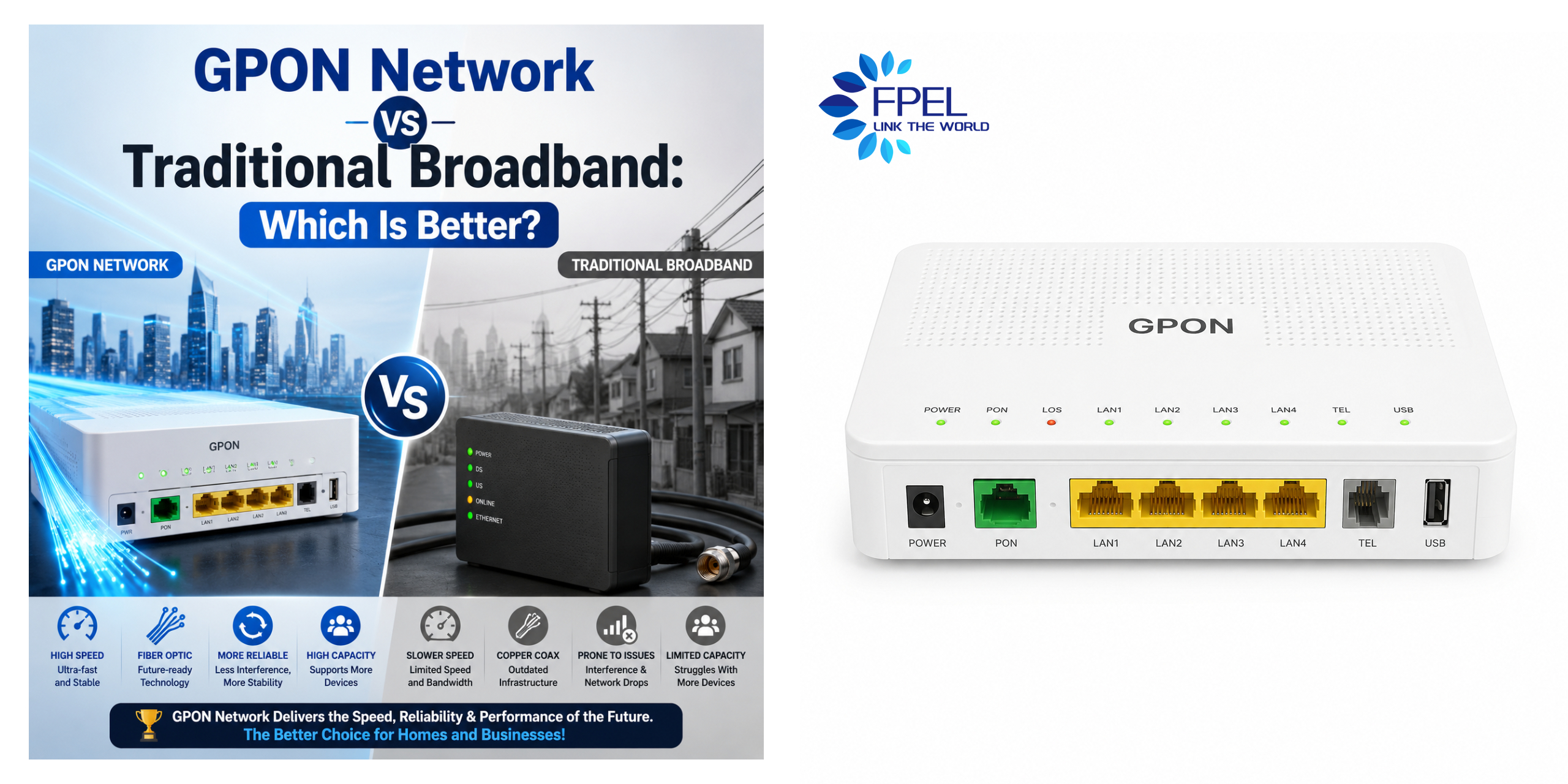
The demand for high-speed, reliable internet connectivity has never been higher, prompting network operators and service providers to evaluate their infrastructure choices critically. As we move further into 2025, the debate between upgrading to a modern gpon network or sticking with traditional broadband solutions is becoming central to strategic planning. While traditional copper-based networks have served the industry for decades, the exponential growth in data consumption, driven by cloud computing, IoT, and 4K streaming, is exposing their limitations.
For wholesale buyers and network planners, understanding the technical and economic distinctions between these two technologies is essential for making future-proof investment decisions. This analysis delves into the core differences, performance metrics, and long-term benefits to determine which architecture offers superior value for modern enterprises.
1. Why the Shift to Fiber is Accelerating in 2025
The global telecommunications landscape is undergoing a massive transformation, driven by an insatiable need for bandwidth and low latency. Recent 2025 statistics indicate that global internet traffic has doubled over the past two years, a trend projected to continue through 2026 as smart devices proliferate. This surge places immense pressure on legacy copper networks, which were originally designed for voice transmission rather than high-speed data.
Consequently, internet service providers (ISPs) and large enterprises are rapidly pivoting toward fiber optic solutions to maintain service quality and competitive advantage. The shift is not merely about speed; it is about structural integrity and the ability to support next-generation applications that require stable, high-throughput connections.
Traditional broadband infrastructure, often referred to as xDSL, relies on electrical signals transmitted over copper wires, which are inherently susceptible to interference and signal degradation over distance. As data requirements increase, the physical limitations of copper become a bottleneck, leading to customer dissatisfaction and higher churn rates.
In contrast, fiber technology transmits data using light pulses, offering near-infinite bandwidth potential and immunity to electromagnetic interference. For wholesale buyers, this means investing in a gpon network ensures that the infrastructure remains relevant and capable of handling future demands without requiring frequent, costly overhauls. The transition to fiber is accelerating because it addresses the root cause of network congestion rather than merely treating the symptoms.
Furthermore, the economic implications of maintaining aging copper infrastructure are becoming untenable for many operators. Maintenance costs for legacy networks rise annually as copper theft, corrosion, and environmental wear impact physical assets. Industry forecasts for 2026 suggest that operational expenditures for copper networks will outpace the revenue generated from traditional broadband subscribers in many regions.
By shifting to fiber, operators can significantly reduce ongoing maintenance costs, as passive optical networks require less active cooling and power. This economic reality is a primary driver behind the aggressive deployment of gpon systems worldwide, as they offer a more sustainable and cost-effective long-term solution for network expansion.
Finally, the regulatory environment in many countries is favoring the decommissioning of copper networks to encourage green energy initiatives. Fiber optic networks consume significantly less power per bit of data transmitted compared to copper-based systems. For wholesale distributors and B2B clients, this aligns with corporate sustainability goals and reduces the carbon footprint of their operations.
The momentum behind fiber adoption is not just a technological trend but a strategic imperative driven by performance, economics, and environmental responsibility. As we look toward the latter half of the decade, the gpon network is clearly establishing itself as the standard for high-performance connectivity.
1.1 How GPON Technology Outperforms Legacy Systems
Gigabit Passive Optical Network (GPON) technology represents a significant leap forward in data transmission efficiency, utilizing a point-to-multipoint architecture that allows a single feeder fiber to serve multiple endpoints. Unlike traditional broadband, which dedicates a copper line to each subscriber, a gpon network uses passive splitters to distribute the signal, drastically reducing the amount of fiber and central office equipment required.
This architecture not only lowers the initial capital expenditure for network deployment but also simplifies the physical layer management. For wholesale procurement, this means that deploying a GPON solution requires fewer materials and less labor, leading to a faster return on investment and a more streamlined supply chain.
In terms of raw performance, GPON standards currently support downstream rates of up to 2.488 Gbps and upstream rates of 1.244 Gbps, shared among users. While this is shared bandwidth, the efficiency of the protocol ensures that each user receives guaranteed performance levels that far exceed typical DSL or cable offerings.
Traditional broadband connections often struggle to maintain consistent speeds, particularly during peak usage hours when neighbors are competing for the same limited capacity. The high throughput of a gpon network ensures that bandwidth-intensive applications, such as video conferencing and large file transfers, proceed without interruption, providing a superior user experience that is critical for business continuity.
The reach of fiber optics is another decisive factor where GPON outperforms legacy systems. Copper signals degrade rapidly; for example, VDSL speeds drop significantly after just 300 meters. Conversely, a gpon network can transmit data over 20 kilometers without noticeable signal loss.
This extended reach allows service providers to connect remote users and suburban areas that would otherwise be underserved or require expensive local exchanges. For B2B buyers looking to equip expansive campuses or distributed enterprise locations, this range capability eliminates the need for multiple repeaters or boosters, simplifying the network topology and reducing potential points of failure.
Moreover, the security aspect of GPON technology is inherently superior due to the nature of fiber optic transmission. Tapping into a copper cable to eavesdrop on data is relatively simple, whereas intercepting a fiber signal requires cutting the cable, which immediately breaks the connection and alerts the network management system.
This physical layer security is invaluable for wholesale clients serving government, finance, or healthcare sectors where data integrity is paramount. By choosing a gpon network over traditional copper, providers offer their end-users a much more secure communication channel, addressing one of the top concerns for modern enterprises.
1.2 Why Traditional Broadband Is Struggling to Keep Up
The fundamental physics of copper wiring limits the bandwidth capacity of traditional broadband, creating a hard ceiling that technological advancements cannot easily breach. As businesses increasingly rely on cloud-based platforms and real-time collaboration tools, the asymmetrical nature of DSL connections—where download speeds are often higher than upload speeds—becomes a significant hindrance.
Modern workflows require high upload speeds for backing up data and hosting live streams, which legacy infrastructure simply cannot support efficiently. The gpon network, with its symmetrical high-capacity potential, addresses this imbalance, ensuring that businesses can operate efficiently in both directions of data flow.
Infrastructure aging is another critical factor contributing to the decline of traditional broadband reliability. Much of the world’s copper infrastructure was installed decades ago and is now deteriorating, leading to frequent service outages and performance degradation. Wholesale buyers and ISPs often face the challenge of diagnosing faults in aging copper plants, which can be time-consuming and labor-intensive. In contrast, fiber optic cables are more durable and resistant to environmental factors such as moisture, temperature fluctuations, and electrical interference. The reliability of a gpon network translates to lower operational costs and higher customer satisfaction scores, which are vital metrics in the competitive telecommunications market.
Scalability is a major concern for traditional broadband, as adding new users to an existing copper loop often degrades the service quality of existing subscribers. This phenomenon creates a disincentive for service providers to aggressively market their services in high-density areas served by legacy equipment. On the other hand, the gpon network is designed for scalability; additional users can be added with minimal impact on overall performance through the adjustment of optical split ratios. This flexibility allows ISPs to grow their subscriber base without necessitating immediate, expensive infrastructure upgrades, making fiber a far more agile solution for dynamic market conditions.
Finally, the obsolescence of vendor support for copper equipment is becoming a pressing issue. As the industry shifts its focus and R&D resources toward fiber optics, the availability of high-quality, next-generation DSL equipment is dwindling. Wholesale buyers looking to stock inventory for the next five years will find that investing in traditional broadband components carries a higher risk of inventory depreciation. By pivoting their product portfolios toward gpon ont (Optical Network Terminal) devices and related fiber equipment, distributors can ensure they are meeting the current and future demands of the market, rather than investing in technology that is reaching its end-of-life stage.
2. Which Architecture Offers Superior Scalability for ISPs?
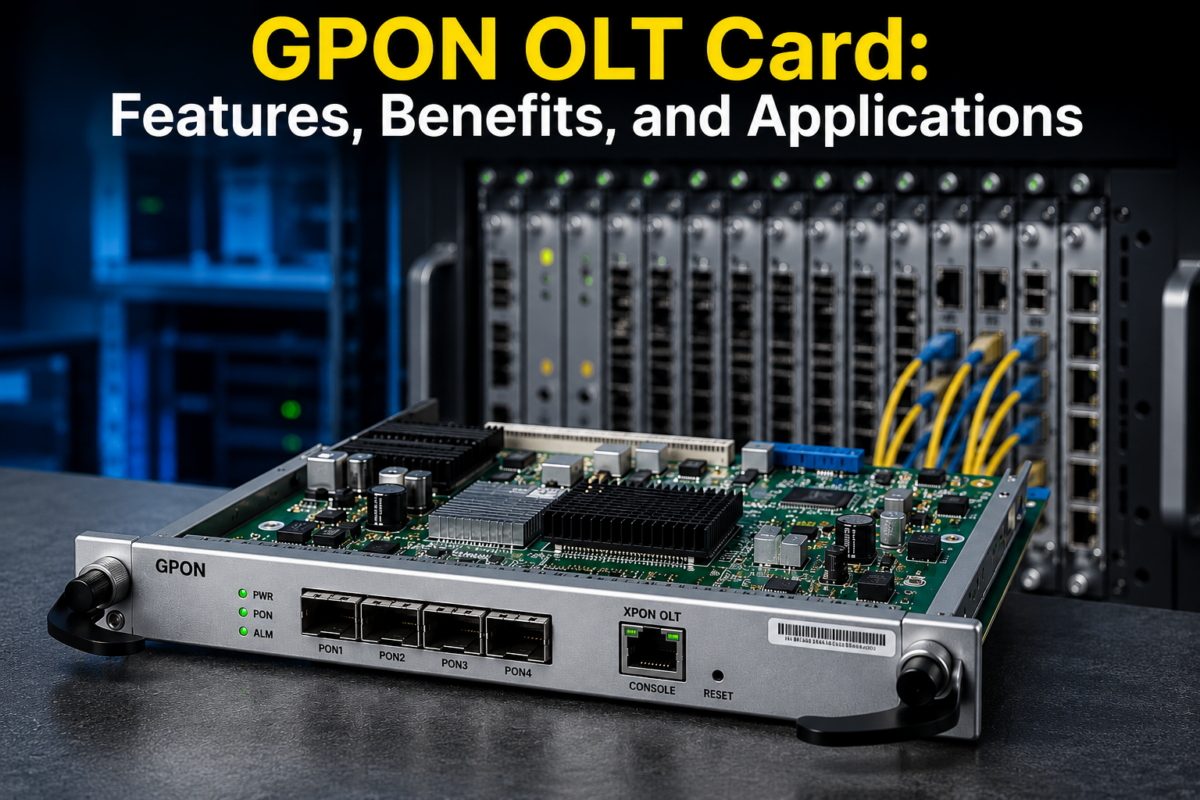
When evaluating scalability, the architecture of Gigabit Passive Optical Networks offers distinct advantages that traditional broadband cannot match. A gpon network utilizes a centralized Optical Line Terminal (OLT) that feeds multiple Optical Network Units (ONUs) or ONTs through passive optical splitters. This tree-like structure allows for massive scalability, as a single OLT port can serve up to 64 or 128 subscribers. For ISPs planning for growth in 2026 and beyond, this means that expanding the network to cover new neighborhoods or business parks often involves simply extending the fiber and adding splitters, rather than building entirely new central office facilities. This modular approach to expansion is cost-effective and highly efficient for large-scale deployments.
In traditional broadband networks, scalability is often constrained by the distance from the exchange and the quality of the copper lines. To increase coverage or capacity, ISPs must install additional remote DSLAMs (Digital Subscriber Line Access Multiplexers) or replace large sections of cabling, both of which are capital-intensive projects. These active nodes also require power, climate control, and real estate, adding to the operational complexity. The gpon network eliminates the need for these active components in the field, as the splitters are purely passive. This reduction in field-active electronics significantly lowers the total cost of ownership and allows for a more graceful scaling of the network as subscriber demand grows.
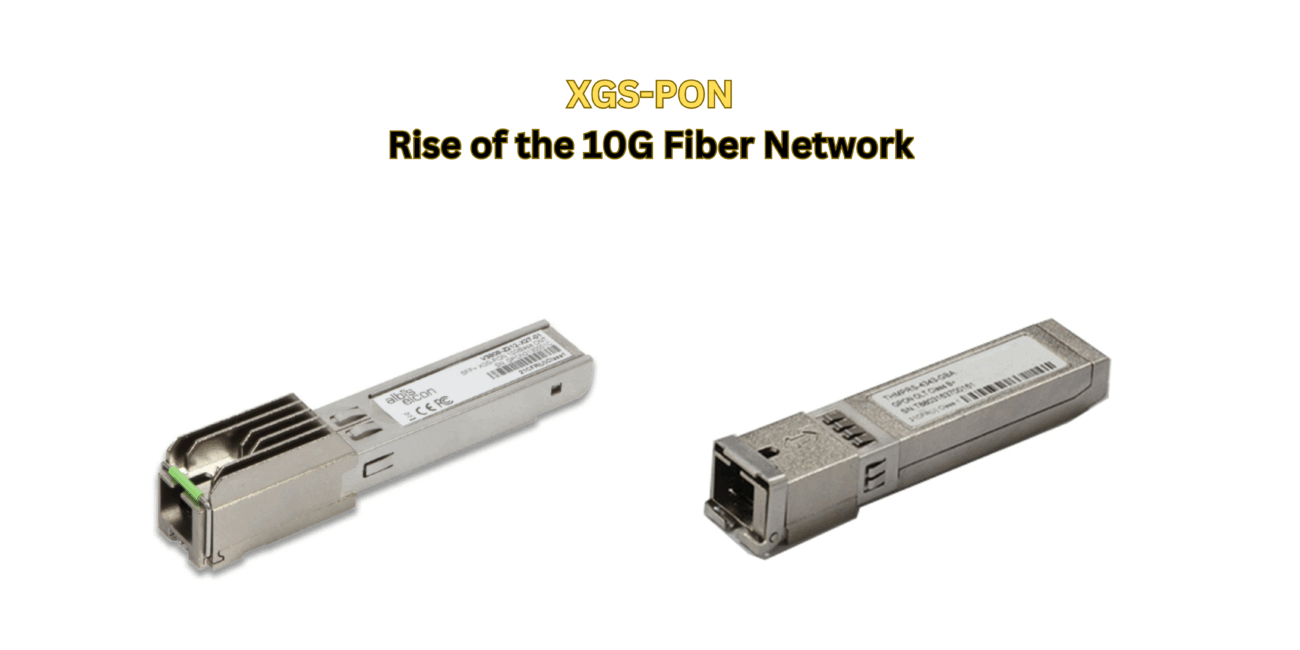
The capacity planning aspect of GPON is also more straightforward and predictable. With a total downstream capacity of 2.5 Gbps per port, network engineers can calculate the oversubscription ratios with high precision based on user profiles. As usage patterns evolve, the gpon network architecture allows for relatively easy upgrades to next-generation standards like XGS-PON, which offers 10 Gbps symmetrical speeds, often using the same fiber infrastructure. This forward compatibility is a crucial consideration for wholesale buyers and network architects who need to ensure that today’s investments will not become bottlenecks tomorrow. Traditional copper networks lack this upgrade path; the maximum physical capacity of the medium has essentially been reached.
Furthermore, the operational scalability of managing a fiber network is enhanced by advanced management protocols. The gpon ont devices at the customer premise can be remotely configured, monitored, and troubleshooted via the OLT, reducing the need for expensive truck rolls. For ISPs managing hundreds of thousands of subscribers, this remote management capability is a game-changer for operational efficiency. It allows the support team to scale their operations without a linear increase in headcount. Traditional broadband networks, while manageable, often require more physical intervention to resolve line issues or upgrade equipment at the customer premises, limiting the operational scalability of the service provider.
2.1 How GPON ONT Devices Enhance User Experience
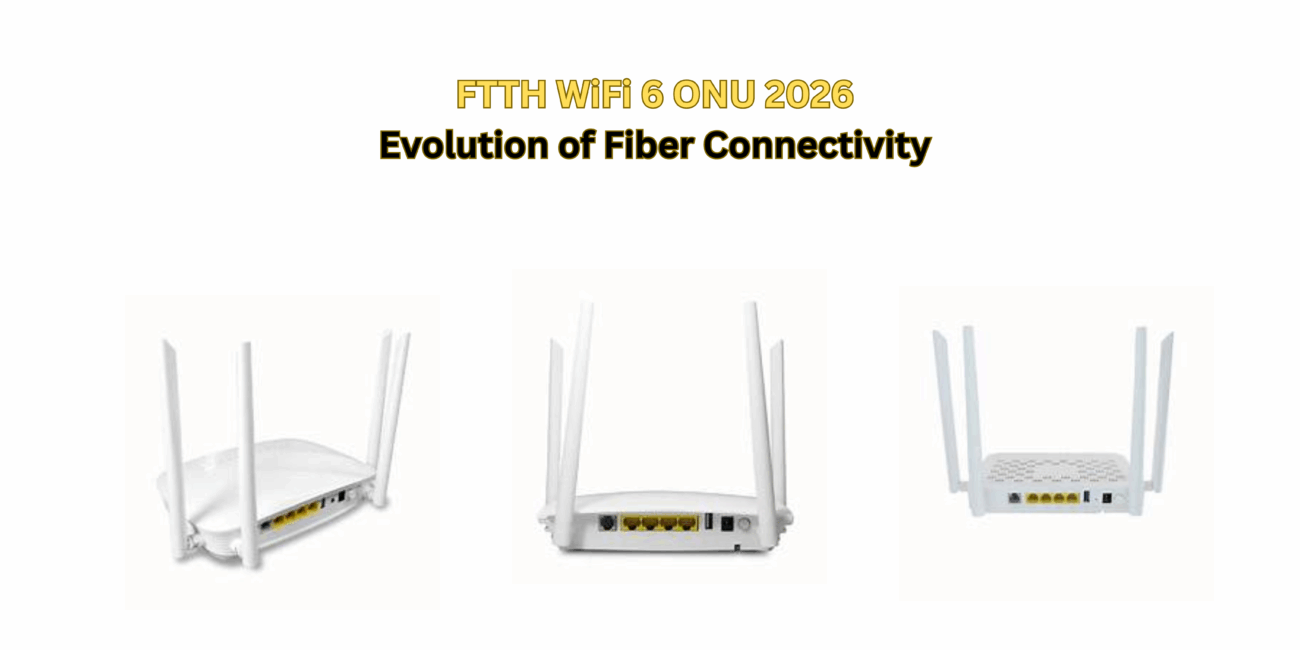
The gpon ont, or Optical Network Terminal, serves as the bridge between the fiber optic network and the end-user’s local area network (LAN). These devices have evolved significantly, and modern models integrate robust routing capabilities, advanced Wi-Fi technology (such as Wi-Fi 6), and multiple Gigabit Ethernet ports. By deploying high-quality gpon ont units, service providers can ensure that the bottleneck is removed from the customer premises equipment, allowing the full speed of the fiber connection to be realized. For wholesale clients, offering ONTs that feature multiple connectivity options ensures compatibility with a wide range of user devices, from smart home hubs to high-performance workstations.
Beyond basic connectivity, the user experience is greatly enhanced by the stability and latency characteristics of the gpon ont. Unlike traditional modems that can suffer from latency spikes due to line noise or interference, fiber connections provide a consistent latency profile, which is crucial for applications like VoIP and online gaming. The gpon ont processes optical signals with minimal delay, ensuring that packet loss is negligible. This reliability translates directly to higher customer satisfaction, as users experience seamless video calls and instant data transfers. For B2B applications, this reliability can mean the difference between a successful operation and a costly downtime event.
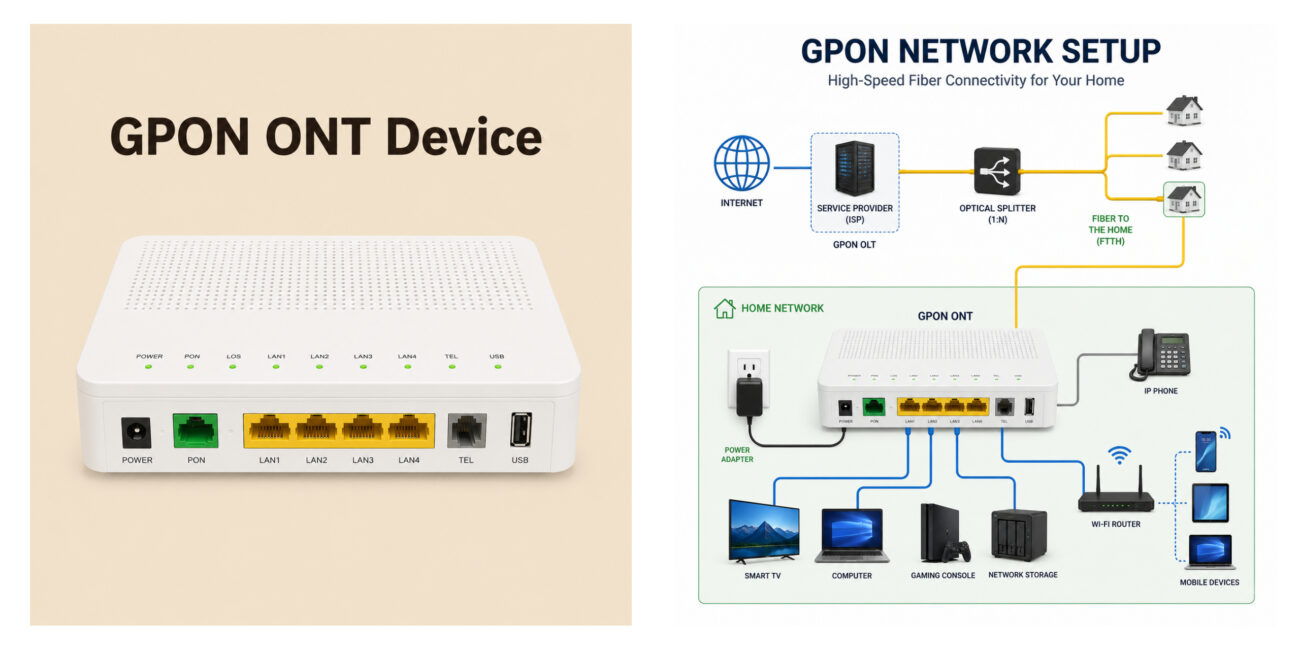
Customization of the gpon ont also plays a vital role in enhancing the user experience for specific market segments. Wholesale suppliers can offer ONTs with specialized features, such as battery backup units for voice services or enhanced security features for enterprise clients. The ability to tailor the hardware and firmware to the specific needs of the end-user allows ISPs to differentiate their service offerings. For instance, a dedicated gpon ont designed for a multi-dwelling unit (MDU) might feature vectoring capabilities to reduce in-building interference, whereas a unit for a single-family home might prioritize extended Wi-Fi range. This level of hardware optimization is rarely possible with standard DSL modems.
Moreover, the aesthetic and physical design of the gpon ont contributes to a positive user experience. Modern ONTs are compact, unobtrusive, and often can be wall-mounted or placed discreetly on a desk. They generate less heat and consume less power than older broadband equipment, which is an appreciated feature for environmentally conscious consumers. The simplified setup process, often involving a plug-and-play installation, reduces the frustration associated with configuring new internet service. By prioritizing the design and usability of the gpon ont, wholesalers and ISPs can significantly reduce the barrier to entry for new subscribers, driving faster adoption rates.
2.2 Why Latency and Reliability Matter for B2B Clients
For business-to-business (B2B) clients, network performance is not just a luxury; it is a critical component of their operational infrastructure. Latency, or the time it takes for data to travel from the source to the destination, can have a profound impact on productivity. High latency can disrupt VoIP calls, cause lag in cloud-based ERP systems, and hinder the use of real-time collaboration tools. A gpon network provides exceptionally low latency compared to traditional broadband, ensuring that business applications run smoothly. This low latency is achieved because light signals travel through fiber with less resistance and delay than electrical signals through copper, making GPON the ideal choice for latency-sensitive enterprise operations.
Reliability is equally paramount for B2B clients who cannot afford the costs associated with downtime. Traditional copper lines are susceptible to a variety of environmental factors, including water ingress, corrosion, and crosstalk from adjacent wires. These vulnerabilities often lead to intermittent connectivity issues that can be disastrous for businesses processing transactions or managing critical data. The gpon network utilizes glass or plastic fibers that do not conduct electricity, making them immune to electromagnetic interference and lightning strikes. This inherent physical robustness translates to a “five nines” (99.999%) reliability standard that businesses demand and that fiber is uniquely positioned to deliver.
The economic impact of poor reliability is a driving force for businesses switching to fiber. Downtime can cost large enterprises thousands of dollars per minute in lost productivity and revenue. By partnering with ISPs that utilize a gpon network, businesses mitigate this risk significantly. The passive nature of the network means there are fewer active components in the access network that can fail. Furthermore, the gpon ont devices used in business setups are typically industrial-grade, designed to operate continuously under rigorous conditions. This focus on durability and uptime provides B2B clients with the peace of mind that their critical connectivity will remain stable during peak business hours.
Furthermore, the symmetry of the connection provided by a gpon network is a crucial factor for modern businesses. Unlike traditional broadband, which often offers high download but slow upload speeds, GPON facilitates high-speed uploads. This capability is essential for businesses that regularly back up large datasets to the cloud, host web servers, or utilize video conferencing platforms that stream high-definition video in both directions. The balanced throughput ensures that upstream operations do not bottleneck downstream activities, optimizing the overall workflow. For B2B clients, this symmetrical bandwidth is a key differentiator that justifies the investment in fiber technology over traditional broadband solutions.
3. How to Leverage Wholesale GPON Solutions for Cost Efficiency
Purchasing GPON equipment through wholesale channels offers significant cost advantages, particularly for large-scale network deployments. By buying gpon ont devices, OLTs, and splitters in bulk, network operators and ISPs can achieve economies of scale that drastically reduce the per-unit cost. This reduction in Capital Expenditure (CapEx) is vital for maintaining profitability in a competitive market. Wholesale suppliers often provide tiered pricing structures, meaning the more equipment procured, the lower the cost, enabling operators to allocate their budgets more efficiently across other areas of their business, such as marketing or customer service.
Beyond the initial hardware costs, wholesale solutions often include opportunities for customization that can enhance long-term cost efficiency. For example, a distributor might offer a gpon ont with a specific chipset or feature set that eliminates the need for an external router or switch. By consolidating functionality into a single device, operators can reduce the complexity of their inventory and lower the total cost of deployment. Additionally, wholesale partners can provide logistical support, such as warehousing and just-in-time delivery, which helps operators manage their cash flow and reduce storage costs. This streamlined supply chain is a key benefit of partnering with established wholesale vendors in the fiber optic sector.
The total cost of ownership (TCO) is also positively impacted by the durability and longevity of wholesale gpon network equipment. High-quality optical components do not degrade as quickly as electronic copper equivalents. When procuring from a reputable wholesaler, businesses can ensure they are receiving industrial-grade equipment that meets rigorous standards. This quality assurance reduces the frequency of replacements and warranty claims, lowering the long-term operational costs. Furthermore, the energy efficiency of GPON equipment means lower electricity bills over the lifespan of the network, contributing to ongoing operational expenditure (OpEx) savings that accumulate significantly over time.
Finally, leveraging wholesale relationships provides access to expert technical support and market insights. Reputable wholesalers of gpon technology often have dedicated teams that can assist with network planning, product selection, and troubleshooting. This value-added service can prevent costly deployment errors and ensure that the network is optimized for performance from day one. By tapping into the expertise of a wholesale partner, operators can avoid common pitfalls and ensure that their investment in a gpon network delivers the maximum possible return, reinforcing the financial viability of their infrastructure projects.
3.1 Which Customization Features Are Available for GPON ONTs?
Customization is a key advantage of sourcing gpon ont devices through specialized wholesale channels. Manufacturers and distributors can tailor the hardware specifications to meet the exact requirements of the service provider or the end-user. This includes physical modifications such as custom port configurations—adding or removing Ethernet ports, integrating POTS (Plain Old Telephone Service) ports for legacy voice support, or including USB ports for file sharing. For ISPs targeting specific market segments, such as the hospitality industry, having a gpon ont with custom interfaces allows them to offer a perfectly integrated solution that stands out in the marketplace.
Software and firmware customization is equally critical for maintaining control over the network. Wholesale clients can request custom firmware branding, ensuring that the device interface displays the ISP’s logo and color scheme upon login. Furthermore, advanced remote management features can be pre-configured into the gpon ont, allowing for seamless integration with the ISP’s OSS/BSS systems. Features like TR-069 or OMCI can be fine-tuned to enable automatic provisioning, diagnostics, and firmware updates. This level of software control reduces the manual workload for technicians and ensures a consistent user experience across the entire subscriber base.
The internal components of the gpon ont can also be selected based on performance requirements. For instance, a provider focusing on high-end residential gaming might request ONTs with enhanced Wi-Fi antennas or processors capable of handling high packet loads. Alternatively, for deployments in harsh environments, the casing can be customized to be waterproof or dustproof (IP65 rated). By selecting the precise internal chipset and external housing, wholesale buyers can ensure that the gpon ont is optimized for its intended environment, whether it is a climate-controlled office or an exposed utility cabinet.
Packaging and accessory customization further streamline the deployment process. Wholesale suppliers can provide gpon ont units with custom power adapters suited to specific regions, or include mounting brackets and cables in the package to eliminate the need for separate purchases. Custom labeling and barcoding on the packaging can also assist with inventory management and logistics. For large-scale rollouts, these seemingly minor customization details accumulate to create significant efficiencies in the warehouse and in the field, ultimately accelerating the time-to-market for new broadband services.
3.2 Why Strategic Sourcing is Critical for Network Rollouts
Strategic sourcing of GPON equipment goes beyond simply finding the lowest price; it involves building a reliable supply chain that can support aggressive deployment schedules. As the demand for gpon network expansion grows, lead times for critical components like optical transceivers and chips can fluctuate. A strategic wholesale partner maintains strong relationships with upstream manufacturers and holds adequate stock levels to buffer against supply chain shocks. For ISPs planning major rollouts in 2026, securing a supply agreement early ensures that project timelines are not derailed by component shortages, which are increasingly common in the global electronics market.
Quality control is another pillar of strategic sourcing. The market is flooded with varying grades of gpon ont devices, ranging from high-quality, certified units to substandard counterfeits. Partnering with a reputable wholesaler guarantees that the equipment meets international standards such as IEEE, ITU-T, and FCC regulations. Poor quality equipment can lead to high failure rates, damaging the ISP’s reputation and incurring massive replacement costs. A strategic sourcing partner conducts rigorous quality assurance testing, ensuring that every gpon ont deployed in the field is reliable and performs to specification, thereby protecting the brand equity of the service provider.
Cost predictability is essential for long-term financial planning, and strategic sourcing helps stabilize input costs. Wholesale suppliers can offer fixed-price contracts or price-cap agreements over a specified period, shielding the ISP from sudden market price increases. This stability is crucial when budgeting for multi-year infrastructure projects. Furthermore, a strategic partner can provide financing options or flexible payment terms, aiding in cash flow management during the heavy investment phase of a gpon network buildout. This financial flexibility allows operators to pace their deployments according to market demand rather than being constrained by immediate cash flow limitations.
Finally, strategic sourcing facilitates access to the latest technological innovations. The telecommunications landscape is evolving rapidly, with new standards and features emerging regularly. A wholesaler focused on gpon technology will be the first to know about upcoming advancements, such as the transition to 50G-PON or new Wi-Fi 7 standards. By maintaining a close relationship with a supplier, ISPs can gain early access to this technology, allowing them to trial and deploy cutting-edge solutions before their competitors. This technological agility, enabled by a strategic sourcing relationship, is a significant competitive advantage in the fast-paced broadband market.
4. What Do 2026 Market Insights Reveal About Network Evolution?
Looking ahead to 2026, market insights strongly suggest that the dominance of the gpon network will continue to solidify as the standard for broadband delivery. Analysts predict that by the end of 2026, over 60% of global fixed broadband subscriptions will be on fiber-based networks. This shift is driven not only by consumer demand but also by government initiatives aimed at bridging the digital divide. Countries worldwide are investing heavily in fiber infrastructure as a critical national asset, recognizing that economic growth is inextricably linked to high-speed connectivity. For wholesale buyers, this trend signals a sustained and growing demand for GPON equipment for the foreseeable future.
The evolution of the gpon ont is also set to accelerate, with devices becoming smarter and more integrated. By 2026, we can expect to see ONTs that double as smart home hubs, incorporating protocols like Zigbee, Matter, or Thread directly into the fiber terminal. This convergence means that the gpon ont will no longer be just a gateway for internet access but the central nervous system of the connected home. For wholesalers and ISPs, this evolution opens up new revenue streams, such as managed home security and energy monitoring services, adding value to the standard connectivity package.
Another significant insight for the 2026 landscape is the deepening integration of 5G and fiber networks. While 5G provides wireless mobility, it relies heavily on fiber backhaul to transport the massive amounts of data it generates. The gpon network is ideally suited to serve as the transport layer for 5G small cells and base stations. This symbiotic relationship means that investments in GPON infrastructure will yield dual benefits: supporting both fixed-line and mobile broadband growth. Wholesale strategies should therefore account for the needs of mobile network operators (MNOs) who will be seeking reliable fiber partners to support their 5G rollouts.
Furthermore, the market is moving towards increased sustainability and energy efficiency. By 2026, “green” networking will be a key differentiator. New generations of gpon network equipment are being designed to minimize power consumption, particularly in standby modes. Regulatory bodies are likely to introduce stricter energy efficiency standards for networking equipment. Wholesale buyers can prepare for this by prioritizing suppliers that demonstrate a commitment to sustainable manufacturing practices and energy-efficient product designs. Aligning with these future standards now will prevent the need for costly equipment swaps when regulations tighten in the coming years.
4.1 How Businesses Should Prepare for the Next Bandwidth Boom
Preparing for the impending bandwidth boom requires a proactive approach to infrastructure upgrades. Businesses should begin by auditing their current network capacity and identifying potential bottlenecks that could hinder performance as data demands grow. Transitioning from legacy copper to a gpon network should be the cornerstone of this preparation. Even if current usage patterns do not demand gigabit speeds, the trajectory of data growth suggests they will soon. Future-proofing the network today prevents the disruption and higher costs associated with emergency upgrades later. For B2B clients, this means negotiating Service Level Agreements (SLAs) that guarantee fiber-based connectivity to ensure long-term viability.
Investment in employee training and IT infrastructure is equally important. As businesses migrate to high-speed gpon connections, their internal Local Area Networks (LANs) must be capable of handling the increased throughput. This involves upgrading switches, routers, and cabling within the office to standards like Cat6a or Cat7. IT teams should also be trained on the specific maintenance and troubleshooting requirements of gpon ont devices. By ensuring that the internal network matches the capacity of the external connection, businesses can fully utilize the bandwidth available to them, maximizing the return on their connectivity investment.
Strategic budgeting is essential to navigate this transition smoothly. Financial planning should account for the initial CapEx of switching to a gpon network, which may be higher than sticking with traditional broadband, but also factor in the long-term OpEx savings and revenue benefits. Businesses should view connectivity as an investment in productivity rather than a mere utility cost. Allocating funds for high-quality, custom gpon ont hardware can reduce support calls and improve user satisfaction, indirectly contributing to the bottom line. Engaging with wholesale suppliers to lock in pricing can also help manage budget expectations over the deployment period.
Finally, businesses should explore applications that were previously impossible due to bandwidth constraints. The availability of a robust gpon network unlocks the potential for technologies like 4K/8K video conferencing, real-time cloud collaboration, and AI-driven data analytics. By actively integrating these tools into their workflows, companies can gain a competitive edge. Preparing for the bandwidth boom is not just about installing faster pipes; it is about reimagining business processes to leverage the new capabilities that high-speed, low-latency fiber connectivity provides. This forward-thinking mindset is what will separate industry leaders from followers in the digital economy of 2026.
4.2 Which Investment Strategy Yields the Highest ROI?
Determining the investment strategy that yields the highest Return on Investment (ROI) requires a comprehensive analysis of both immediate costs and long-term benefits. While the initial outlay for deploying a gpon network is higher than maintaining traditional broadband, the ROI becomes evident when considering the service lifespan and revenue potential. Fiber networks have a lifespan of 25 to 30 years, whereas copper infrastructure typically requires major upgrades every 5 to 7 years. Spreading the CapEx over three decades results in a significantly lower annual cost, making GPON the financially superior choice for long-term holders of network assets.
The revenue-generating potential of a gpon network is far greater than that of legacy systems. With the ability to offer premium, high-margin services like symmetrical gigabit internet, dedicated fiber access, and managed Wi-Fi, ISPs can increase their Average Revenue Per User (ARPU). Subscribers are willing to pay a premium for the reliability and speed that fiber provides. Furthermore, the low churn rates associated with high-quality fiber services reduce the cost of customer acquisition. For wholesale buyers, investing in high-quality gpon ont inventory enables their ISP clients to deploy these premium services, thereby driving demand for the wholesaler’s products and creating a virtuous cycle of profitability.
Operational efficiency is another critical factor in calculating ROI. The gpon network, with its passive architecture and remote management capabilities, drastically reduces the need for truck rolls and manual interventions. Studies have shown that fiber networks can reduce maintenance costs by up to 50% compared to copper networks. These operational savings flow directly to the bottom line. Additionally, the compact size of fiber equipment reduces the real estate costs associated with housing central office equipment. When these operational savings are factored into the ROI equation, the case for investing in GPON technology becomes overwhelmingly positive, especially for large-scale deployments.
Ultimately, the highest ROI comes from a strategy that emphasizes quality and scalability. Cutting corners by using low-cost, non-standard gpon ont devices can lead to higher failure rates and customer dissatisfaction, eroding ROI over time. A strategy focused on sourcing reliable, certified, and customizable equipment from reputable wholesale partners ensures a stable network and satisfied customers. This approach minimizes the risk of premature equipment failure and maximizes the revenue-generating lifespan of the network. In the competitive landscape of 2025 and beyond, the winning investment strategy is unequivocally one that prioritizes the deployment of a robust, future-proof gpon network.
Why GPON Is the Definitive Choice for Modern Connectivity
The decision between a gpon network and traditional broadband is ultimately a choice between legacy limitations and future potential. As the digital landscape of 2025 continues to evolve, the constraints of copper infrastructure—ranging from limited bandwidth to high maintenance costs—make it an unsustainable option for growing businesses.
In contrast, GPON technology provides a robust, scalable, and high-speed foundation that meets the rigorous demands of modern enterprise applications and emerging technologies. By investing in fiber, stakeholders are not merely purchasing a connection; they are securing a strategic asset that will drive efficiency and innovation for decades to come. The market data forecasts for 2026 reinforce that the vast majority of network investments will flow toward fiber optics, making the transition to GPON an inevitable step for any forward-looking organization.
For wholesale buyers and service providers, the economic argument for GPON is compelling when considering the total cost of ownership and revenue potential. The durability and low maintenance requirements of a gpon network significantly reduce operational expenditures, while the superior performance allows for premium service tiering that increases average revenue per user. Furthermore, the versatility of the gpon ont enables service providers to offer tailored solutions, from basic residential access to complex enterprise integrations, maximizing the addressable market. This financial flexibility, combined with the technical superiority of fiber, ensures that businesses can achieve a higher return on investment compared to traditional broadband deployments.
Strategic preparedness is the final piece of the puzzle, as the bandwidth boom shows no signs of slowing down. Organizations that proactively upgrade their infrastructure now will be well-positioned to leverage next-generation applications such as AI, 4K streaming, and the Internet of Things (IoT) without the need for disruptive overhauls.
The gpon network offers the headroom and reliability required to support these innovations seamlessly. By contrast, those who cling to traditional broadband risk falling behind, facing competitive disadvantages and operational bottlenecks that could stifle growth. The clarity of the technological trajectory suggests that delaying the adoption of GPON only increases the opportunity cost.
To capitalize on these benefits and ensure a successful network deployment, partnering with a specialized wholesale supplier is essential. A reliable partner provides not only high-quality gpon ont devices and OLTs but also the customization options and technical support necessary to build a differentiated service offering.
We invite ISPs, system integrators, and network planners to explore our comprehensive portfolio of GPON solutions. By securing your supply chain and committing to the gpon network standard today, you can build a resilient, high-performance network that satisfies the demands of 2026 and beyond. Contact us now to discuss your specific requirements and discover how our tailored fiber solutions can transform your connectivity strategy.
Frequently Asked Questions
1. What is the primary difference between a GPON network and traditional broadband?
The primary difference lies in the transmission medium and architecture. Traditional broadband typically relies on copper wiring to transmit electrical signals, which are susceptible to interference and distance limitations. In contrast, a gpon network utilizes fiber optic cables to transmit data via light pulses. This allows for significantly higher bandwidth, faster speeds over longer distances (up to 20 km), and a more stable connection, making it superior for modern high-demand applications.
2. Why is a GPON network considered more reliable for business operations?
A gpon network is considered more reliable because fiber optic cables are immune to electromagnetic interference and environmental factors that often degrade copper lines, such as moisture and temperature changes. Additionally, the passive components in a GPON architecture have fewer points of failure compared to the active electronics required for traditional broadband. This results in consistent uptime and lower latency, which are critical for maintaining business continuity and productivity.
3. What role does a GPON ONT play in the connection?
A gpon ont (Optical Network Terminal) serves as the bridge between the fiber optic line and the end-user’s devices, such as computers, routers, or switches. It converts the optical signals transmitted through the fiber into electrical signals that the local network can use. For wholesale buyers, offering high-quality gpon ont devices is essential to ensure that the end-user can fully utilize the speed and stability of the fiber connection without bottlenecking the service at the premises.
4. Is switching to a GPON network more cost-effective than sticking with traditional broadband?
While the initial capital expenditure (CapEx) for deploying a gpon network can be higher than maintaining existing copper lines, it is far more cost-effective in the long run. Fiber optics require less maintenance, have a longer lifespan, and consume less power than traditional infrastructure. Furthermore, the ability to offer premium, high-speed services allows ISPs to increase their average revenue per user (ARPU), leading to a better return on investment over time.
5. How does the distance limitation of traditional broadband compare to GPON?
Traditional broadband signals over copper degrade rapidly; for example, VDSL speeds drop significantly after just 300 meters. On the other hand, a gpon network can maintain high-speed data transmission over distances up to 20 kilometers without signal loss. This extended reach makes GPON an ideal solution for serving remote areas and large campuses where traditional broadband would require expensive signal boosters or repeaters.
6. Can GPON ONT devices be customized for specific business needs?
Yes, one of the significant advantages of sourcing gpon ont devices through wholesale channels is the ability to customize the hardware and software. Suppliers can offer modifications such as custom port configurations (additional Ethernet or POTS ports), integrated Wi-Fi 6 capabilities, specific branding, and firmware tailored for remote management. This flexibility allows businesses to deploy equipment that perfectly fits their operational requirements and service offerings.
7. Why is latency lower in a GPON network compared to copper networks?
Latency is lower in a gpon network because light travels through fiber optic cables with less resistance and delay compared to electrical signals traveling through copper. Copper lines are also prone to interference that can cause packet loss and jitter. The low and consistent latency provided by GPON is crucial for real-time applications like VoIP, video conferencing, and online gaming, providing a seamless experience for users.
8. How does GPON support future scalability for ISPs?
A gpon network is designed with a point-to-multipoint architecture that allows for easy scalability. As demand grows, ISPs can increase capacity by splitting the optical signal or upgrading to next-generation standards like XGS-PON without laying new fiber. The passive nature of the network reduces the need for active infrastructure in the field, making it easier and more cost-effective to expand coverage to new subscribers as the market grows.
9. Is a GPON network more secure than traditional broadband?
Yes, a gpon network offers inherently better physical security. Tapping into a copper cable to steal data or eavesdrop is relatively easy and difficult to detect. However, tapping into a fiber optic cable requires cutting the line, which immediately breaks the connection and alerts the network management system. This makes fiber a much more secure option for businesses and government entities that handle sensitive data.
10. What are the market trends for GPON technology heading into 2026?
Market insights for 2026 indicate a massive shift toward gpon technology as the global standard for broadband, driven by government initiatives and the proliferation of 5G and IoT. The demand for high-quality gpon ont devices and related fiber equipment is expected to surge as operators retire legacy copper networks. Investing in GPON infrastructure now ensures that businesses and service providers are aligned with future technological requirements and consumer expectations.