


1. Why the Demand for GPON OLT Cards is Surging in 2025
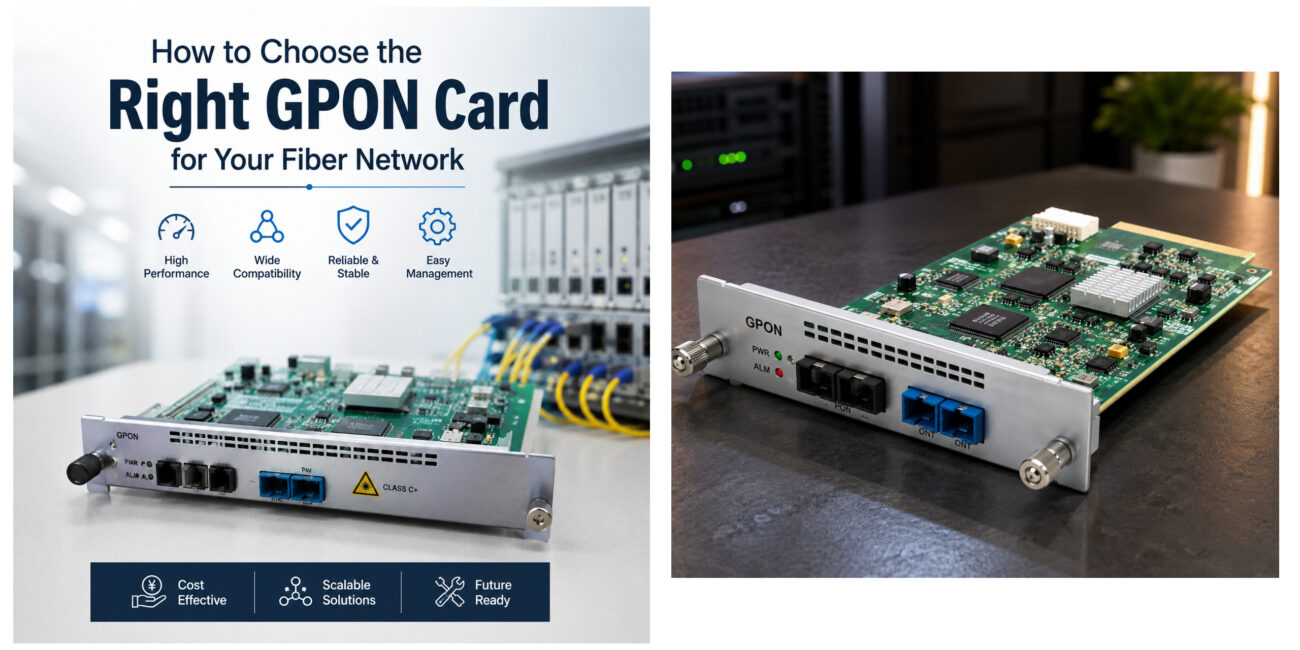
The global transition toward fiber-to-the-home (FTTH) architectures has fundamentally shifted how internet service providers design their central offices. Wholesale distributors are now seeing unprecedented orders for the standard gpon olt card as operators scramble to upgrade legacy copper networks. This shift is not merely a technological upgrade but a structural necessity to handle the massive influx of bandwidth-hungry applications across both urban and suburban environments.
Recent 2025 industry data indicates that global FTTH subscriptions have surpassed 1.2 billion. As a result, optical line terminal deployments have increased by 34% year over year. Moreover, to meet this explosive demand, telecom infrastructure buyers are moving away from piecemeal purchasing. Instead, they are increasingly leveraging wholesale channels to secure high-volume GPON card inventory. Consequently, they can scale their networks more efficiently while reducing the risk of critical supply chain bottlenecks.
Looking ahead to 2026, market analysts project that the demand for off-the-shelf solutions will plateau. Instead, a massive surge in customized optical hardware is expected. Moreover, network operators are realizing that a generic GPON network card may not align perfectly with their specific geographic or demographic requirements. As a result, wholesale buyers are increasingly seeking manufacturers capable of modifying hardware profiles, port densities, and optical budgets. Consequently, these customized solutions can better match precise deployment scenarios and help operators build more efficient networks.
Procuring these critical components in bulk allows regional internet service providers and large-scale enterprises to maintain a competitive edge. By establishing direct wholesale relationships, buyers can dictate the manufacturing roadmap, ensuring that the gpon olt card integrates seamlessly into their existing chassis. This strategic approach to bulk purchasing ultimately lowers the total cost of ownership while future-proofing the network infrastructure against impending bandwidth demands.
1.1. How Global Broadband Expansion Drives Wholesale Needs
The rapid urbanization of developing regions serves as a primary catalyst for the massive influx of wholesale optical hardware orders. Governments and private entities are heavily investing in digital transformation initiatives, requiring foundational equipment that can support millions of new connections. A reliable gpon olt card acts as the gateway for these expansive municipal networks, making its widespread availability a top priority for national broadband plans.

Wholesale distributors play an indispensable role in bridging the gap between original equipment manufacturers and regional telecom operators. By holding strategic reserves of the standard gpon card, these distributors prevent project delays that often plague large-scale infrastructure rollouts. The ability to ship thousands of ports simultaneously allows network builders to adhere to aggressive deployment timelines typically mandated by government subsidies.
The economics of scaling a fiber network dictate that central office equipment must be acquired at the lowest possible per-port cost. Wholesale pricing structures make it feasible for startup internet service providers to enter the market and compete with established monopolies. Accessing bulk rates for a gpon network card fundamentally alters the financial viability of suburban and rural fiber expansions, turning previously unprofitable regions into lucrative territories.
Furthermore, the consolidation of multiple services onto a single fiber network—such as triple-play offerings of voice, video, and data—requires highly reliable central office equipment. Wholesale buyers prioritize components that have been stress-tested for multi-service delivery, ensuring that the deployed gpon olt card can handle concurrent high-definition video streams and low-latency voice traffic without any degradation.
1.2. How 2025 Market Statistics Highlight Growth
A 2025 OMDIA infrastructure report highlights that global capital expenditure on passive optical network equipment exceeded $14 billion in the first half of the year alone. This staggering investment reflects a market that is actively moving away from legacy systems and fully embracing fiber optics. The report specifically identifies the gpon card as the most frequently replaced and upgraded component within modern optical line terminals.
Statistics from the FTTH Council Europe reveal that the average density of fiber connections per central office has tripled since 2022. This increased density means that a single gpon olt card must now manage significantly more traffic, pushing the limits of older hardware generations. Consequently, wholesale buyers are actively clearing out outdated inventory to make room for high-port-density alternatives.
In North America, the 2025 broadband funding allocations have triggered a 45% increase in bulk procurement requests for optical line terminal equipment. Regional operators are utilizing these funds to standardize their central office architectures. Standardization relies heavily on procuring identical gpon network card models across hundreds of remote terminals to simplify maintenance and reduce spare part inventories.
Asian markets continue to dominate the manufacturing volume, yet 2025 data shows a distinct shift toward localized assembly for Western buyers. To avoid geopolitical tariffs and shipping delays, North American and European distributors are ordering barebone gpon olt card components in bulk for final assembly domestically. This strategy maintains the cost benefits of wholesale pricing while ensuring supply chain resilience.
1.3. Why 2026 Projections Point to Customization
Industry forecasts for 2026 suggest that the passive optical network market will shift from a volume-driven model to a value-driven model. As basic fiber connectivity becomes ubiquitous, the competitive differentiator for internet service providers will be specialized service delivery. This evolution necessitates a customized gpon card that can support advanced software-defined networking (SDN) architectures and dynamic bandwidth allocation.
The rollout of 10G-PON and next-generation PON technologies is expected to accelerate in 2026, creating a transitional phase for many operators. Wholesale buyers are increasingly requesting hybrid gpon network card designs that support legacy GPON while offering a clear upgrade path to XGS-PON. This co-existence strategy protects the initial capital investment while preparing the network for future speed tiers.
Projections indicate that enterprise demand for fiber-to-the-business (FTTB) will outpace residential demand by late 2026. Business clients require stringent service level agreements, enhanced security features, and low-latency traffic engineering. Meeting these demands requires a bespoke gpon olt card equipped with specialized ASICs that prioritize business-class traffic over standard consumer data streams.
To capitalize on these 2026 trends, smart wholesale distributors are already partnering with original design manufacturers (ODMs) to create modular optical platforms. These platforms allow a base gpon olt card to be customized with different optical transceivers and processing modules depending on the end-user’s specific requirements. This level of customization ensures that bulk buyers are not stuck with obsolete inventory when market demands inevitably shift.
2. What Makes a High-Performance GPON Network Card Essential
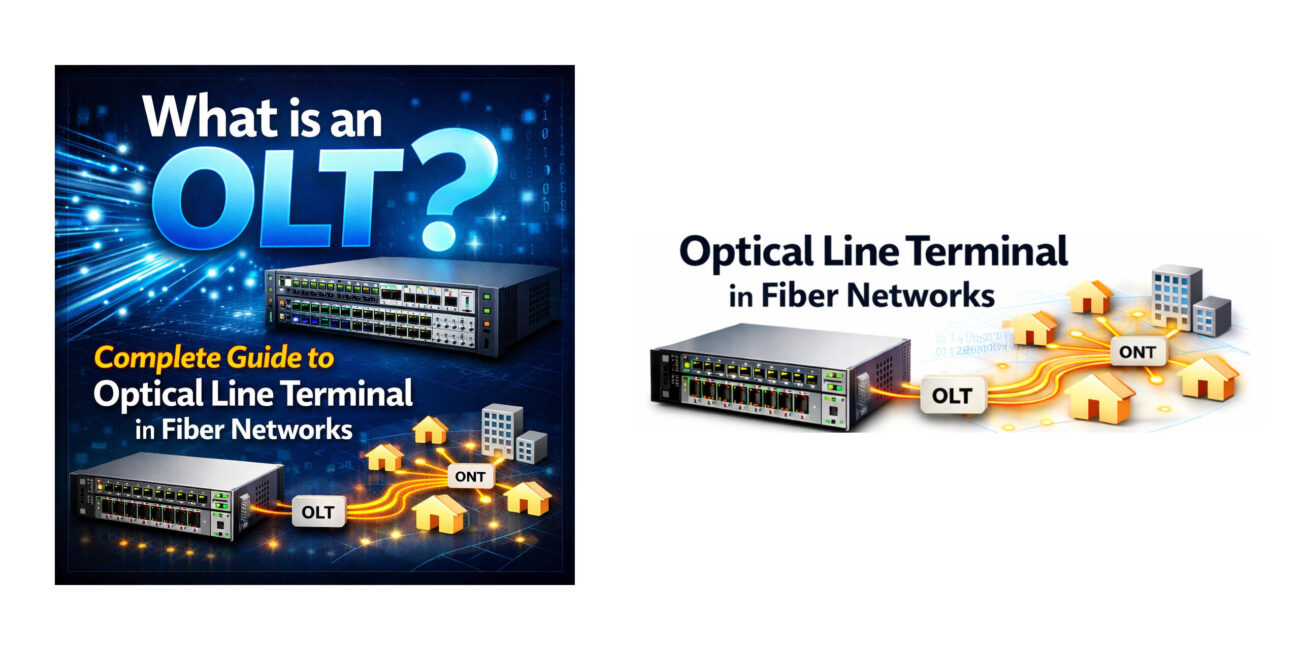
A high-performance optical line terminal serves as the brain of any fiber access network, and its capabilities directly dictate the quality of service delivered to the end user. The core gpon network card is responsible for managing the complex protocol conversions between the optical distribution network and the provider’s core IP network. Without a highly efficient processing engine, even the best fiber infrastructure will suffer from latency and throughput bottlenecks.
The transition to cloud-based gaming, 8K video streaming, and remote work infrastructure requires downstream speeds that legacy equipment simply cannot sustain. A modern gpon olt card must be capable of processing terabits of data per second while maintaining strict error correction standards. This processing power ensures that packet loss is kept to an absolute minimum, which is vital for enterprise VPNs and real-time financial transactions.
From a wholesale perspective, the reliability of a gpon card dictates the long-term operational expenses of the service provider. High-performance cards generate less heat, experience fewer hardware failures, and require fewer truck rolls for maintenance. Distributors who supply these premium components build lasting B2B relationships because they directly contribute to lowering the operational expenditure of their telecom clients.
Furthermore, high-performance optical hardware provides superior split ratios, allowing a single gpon olt card to serve up to 128 end-user nodes efficiently. This high split ratio is incredibly attractive for wholesale buyers, as it maximizes the revenue generated per port. By investing in high-performance hardware, network operators can connect more customers without expanding their physical central office footprint.
2.1. How Core Features Define Reliability
The foundational reliability of any gpon olt card rests on the quality of its optical transceivers and its internal switching fabric. Premium components ensure that the signal-to-noise ratio remains optimal even over long-distance fiber runs of up to 20 kilometers. Wholesale buyers meticulously evaluate these core features because a failure in the optical transceiver results in immediate service outages for hundreds of subscribers.
Redundancy is another core feature that defines the true reliability of a gpon card in a B2B environment. High-end modules feature dual power inputs and hot-swappable optical modules, allowing technicians to replace parts without disrupting the active data flow. For wholesale distributors, offering cards with built-in redundancy is a major selling point, as enterprise clients demand carrier-grade availability for their critical infrastructure.
Advanced dynamic bandwidth allocation (DBA) algorithms are embedded directly into the firmware of high-quality optical modules. These algorithms ensure that bandwidth is distributed fairly and efficiently among all active users on the passive optical network. A well-designed gpon network card will prevent any single user from monopolizing the upstream bandwidth, ensuring a consistent experience for the entire subscriber base.
Environmental hardening is an often-overlooked feature that significantly impacts long-term reliability. Wholesale cards destined for deployment in harsh climates must withstand extreme temperature fluctuations and high humidity. Manufacturers who offer customized thermal casings and conformal coating on the gpon olt card provide immense value to buyers deploying networks in challenging geographic regions.
2.2. Which Technical Specifications Matter Most
When evaluating a gpon card for bulk procurement, the number of PON ports is typically the first specification scrutinized by buyers. High-density cards offering 8, 16, or even 32 ports per single slot allow operators to maximize the capacity of their chassis. This density is crucial for space-constrained central offices where physical rack space comes at a premium.
The downstream and upstream throughput limits represent another critical technical metric. Standard GPON offers 2.5 Gbps downstream and 1.25 Gbps upstream, but a forward-thinking gpon network card will often support higher burst rates to accommodate future over-provisioning. Wholesale buyers must look beyond the basic standard to ensure the hardware can handle real-world traffic spikes without throttling user connections.
Compatibility with various optical distribution network (ODN) splitters is a specification that directly impacts deployment flexibility. A versatile gpon olt card must seamlessly interface with 1:32, 1:64, and 1:128 split ratios without requiring manual hardware adjustments. This flexibility allows service providers to mix and match splitter configurations based on the population density of the specific neighborhood being served.
Finally, the processing power of the onboard FPGA or ASIC chips determines how effectively the card can handle routing and encryption. As cybersecurity threats become more sophisticated, a modern gpon card must support hardware-level AES-256 encryption without causing latency. Wholesale buyers prioritize these cryptographic capabilities to ensure their enterprise clients’ data remains secure from physical taps on the fiber line.
2.3. Why Thermal Management is Crucial for OLT Racks
Central office environments are notoriously dense, with thousands of optical components drawing power simultaneously and generating massive amounts of heat. A standard gpon olt card can consume upwards of 150 watts, and if this heat is not dissipated efficiently, it will lead to thermal throttling and eventual hardware failure. Effective thermal management is therefore not a luxury, but a fundamental requirement for maintaining network uptime.

Wholesale buyers increasingly request customized heat sink designs tailored to the specific airflow dynamics of their existing chassis. A generic gpon card may obstruct adjacent slots or fail to expel heat into the designated exhaust plenums. By working with manufacturers to customize the thermal profile of the card, operators can drastically reduce the need for excessive air conditioning in their central offices, lowering energy costs.
The materials used in the thermal management system also play a vital role in the longevity of the hardware. High-grade aluminum alloys and copper heat pipes are often integrated into a premium gpon network card to draw heat away from the sensitive optical transceivers. These material upgrades are a key focus for B2B buyers who want to extend the operational lifecycle of their equipment beyond the standard five-year warranty period.
Software-driven thermal throttling acts as a secondary defense mechanism, automatically reducing the processing load of the gpon olt card if ambient temperatures exceed safe thresholds. While this protects the hardware from immediate destruction, it severely degrades the subscriber experience. Consequently, wholesale procurement teams prioritize hardware-based cooling solutions over software throttling to guarantee consistent performance under heavy load.
3. How Wholesale Buyers Evaluate a GPON Card for B2B Deployment
The evaluation process for B2B telecom procurement extends far beyond simply reading a manufacturer’s data sheet. Wholesale buyers must conduct rigorous due diligence to ensure that a chosen gpon olt card will perform reliably at scale. This process involves deep technical audits, factory inspections, and extensive interoperability testing before any large-scale purchase order is signed.
Cost is always a primary factor in wholesale transactions, but smart buyers evaluate the total cost of ownership rather than just the initial per-unit price. A cheaper gpon card might require more frequent replacements, consume more power, or lack the features necessary to command premium pricing from end-users. B2B buyers calculate the long-term operational expenses associated with the hardware to make informed financial decisions.
The financial stability and manufacturing capacity of the supplier are equally critical evaluation metrics. A wholesale buyer needs assurance that the manufacturer can fulfill an order of ten thousand units of a gpon network card without cutting corners or experiencing production delays. Auditing the supplier’s supply chain, component sourcing, and production floor protocols is standard practice in the B2B telecom sector.
Furthermore, the availability of comprehensive technical support and firmware updates heavily influences the purchasing decision. A gpon olt card is a long-term investment that will need software patches to address emerging security vulnerabilities and optimize network performance. Wholesale buyers favor manufacturers who offer dedicated B2B support portals and guaranteed firmware maintenance timelines.
3.1. Which Compatibility Standards Ensure Seamless Integration
Interoperability is the cornerstone of any successful fiber network deployment, particularly when a service provider uses optical network terminals (ONTs) from multiple vendors. A standards-compliant gpon card must strictly adhere to ITU-T G.984 specifications to ensure it can communicate flawlessly with third-party customer premises equipment. Wholesale buyers rigorously test these compatibility standards to avoid being locked into a single-vendor ecosystem.
Beyond basic GPON standards, compliance with OMCI (ONU Management and Control Interface) is essential for remote provisioning and troubleshooting. A well-engineered gpon network card uses OMCI to automatically configure subscriber ONTs, drastically reducing the manual configuration time required by field technicians. This standardization is a massive selling point for wholesale distributors targeting large-scale, multi-vendor deployments.
Integration with existing backhaul routing protocols, such as OSPF and BGP, is another critical compatibility requirement. The gpon olt card must present itself to the provider’s core network as a standard IP router, capable of participating in dynamic routing topologies. Wholesale buyers must verify that the card’s control plane software seamlessly integrates into their existing network management systems (NMS) to avoid costly re-architecting.
Physical compatibility with legacy chassis racks is often a decisive factor for operators looking to upgrade without replacing their entire central office infrastructure. A versatile gpon olt card should be available in various form factors, such as standard 19-inch rack mounts or proprietary slot configurations for major vendors like Huawei or ZTE. Wholesale suppliers who offer customizable form factors provide immense value to buyers seeking cost-effective upgrade paths.
3.2. How OEM and ODM Services Reduce Deployment Time
Original Equipment Manufacturer (OEM) and Original Design Manufacturer (ODM) services have become a game-changer for telecom operators looking to rapidly deploy customized networks. By leveraging ODM services, a wholesale buyer can take a base gpon card design and modify it to include specific port configurations, unique MAC addressing schemes, or custom branding. This approach eliminates the years of research and development typically required to build hardware from scratch.

ODM partnerships significantly reduce deployment time by streamlining the regulatory certification process. When a manufacturer alters a base design of a gpon network card, they can often leverage existing FCC or CE certifications for the core components. This shortcut allows wholesale buyers to bring customized equipment to market months faster than if they attempted to certify a completely novel design.
Custom branding through OEM services also plays a vital role in the go-to-market strategy of regional internet service providers. Having a gpon olt card that features the provider’s own logo and color scheme reinforces brand identity during facility tours and technician visits. Wholesale manufacturers readily accommodate these cosmetic customizations, understanding that brand perception is a valuable asset for their B2B clients.
Furthermore, ODM services allow for the integration of specialized auxiliary features directly onto the optical module. A buyer might request that a standard gpon olt card include an integrated environmental sensor to monitor rack humidity and temperature. These bespoke modifications, made possible through flexible ODM manufacturing, provide operators with deeper visibility into their infrastructure without requiring external monitoring equipment.
3.3. Why Scalability Dictates Long-Term ROI
The fundamental business model of a fiber network relies on continuously adding new subscribers to amortize the initial capital expenditure. A highly scalable gpon card allows an operator to start with a modest number of active ports and activate additional capacity as the subscriber base grows. This pay-as-you-grow model is essential for startup ISPs who must manage their cash flow carefully during the early stages of network deployment.
From a wholesale perspective, purchasing scalable hardware means buying the same gpon network card model for both edge nodes and core central offices. This standardization drastically reduces the complexity of inventory management and technician training. When every rack uses the same modular card, spare part inventory can be centralized, leading to significant logistical cost savings.
Scalability also refers to the ability to upgrade the software capabilities of the card as new protocols are developed. A forward-looking gpon card should possess enough onboard processing power and memory to support future firmware updates that enable features like network slicing or enhanced quality of service (QoS). Wholesale buyers view this future-proofing as a safeguard for their long-term return on investment.
Ultimately, the scalability of the optical hardware dictates how quickly a provider can respond to competitive threats. If a rival ISP begins offering multi-gigabit speeds in a shared territory, an operator needs a scalable gpon olt card that can be instantly reconfigured to match or exceed those speeds. The ability to pivot rapidly without replacing physical hardware is a critical competitive advantage in the modern telecommunications market.
4. Which Applications Rely on a Customized GPON OLT Card
The versatility of passive optical network technology allows it to be deployed across a wide array of industries, each with unique technical requirements. A customized gpon olt card can be tailored to meet the specific demands of these diverse applications, moving far beyond traditional residential internet delivery. Understanding these niche applications is crucial for wholesale buyers looking to expand their market reach into specialized sectors.
In the residential sector, the primary application is triple-play service delivery, combining high-speed internet, IPTV, and VoIP telephony over a single fiber strand. A standard gpon card handles this well, but a customized version can prioritize IPTV multicast traffic to ensure zero-latency channel switching. This level of service optimization is what separates premium internet service providers from budget alternatives.
The enterprise sector presents a completely different set of application requirements, focusing heavily on security, redundancy, and symmetric bandwidth. Businesses running cloud applications require a gpon network card that can deliver high upstream speeds and support complex virtual local area networks (VLANs). Wholesale suppliers are increasingly developing enterprise-specific optical modules to capture this lucrative B2B market segment.
Emerging applications in the realm of the Internet of Things (IoT) and smart grid management also rely heavily on customized optical infrastructure. These applications generate a massive number of small data packets that can overwhelm the buffers of traditional telecom equipment. A bespoke gpon olt card engineered with specialized packet processing capabilities is essential for handling the unique data profiles of smart city ecosystems.
4.1. How FTTH Rollouts Utilize High-Density Modules
Fiber-to-the-home rollouts represent the most volume-intensive application for passive optical network equipment. In densely populated urban environments, central office real estate is incredibly expensive, forcing operators to maximize the number of subscribers connected per square foot of rack space. A high-density gpon card with 32 or 64 ports per slot is the only viable solution for these space-constrained deployments.
Wholesale buyers orchestrating massive FTTH projects require hardware that can be provisioned rapidly and managed from a centralized cloud controller. Modern high-density modules are equipped with zero-touch provisioning (ZTP) protocols, allowing a gpon network card to download its configuration the moment it is plugged into the chassis. This automation is critical for operators who need to connect thousands of new homes per week.
The physical layout of residential neighborhoods also influences the application of high-density optical modules. In suburban sprawl areas, the fiber distribution network is spread over vast distances, requiring the gpon card to push strong optical signals to reach the outer edges of the network. Custom optical transceivers with extended reach capabilities are often specified by wholesale buyers to accommodate these sprawling topologies.
Furthermore, municipal FTTH projects often come with strict local content requirements, mandating that a certain percentage of the hardware be assembled domestically. To meet these requirements, wholesale distributors work with manufacturers to import high-density gpon olt card components and perform final assembly and testing within the target country. This strategy satisfies local regulations while maintaining the economies of scale associated with global manufacturing.
4.2. Why Enterprise Campus Networks Need Tailored Solutions
Enterprise campus networks operate under entirely different constraints compared to residential FTTH networks. A corporation requires absolute data privacy, meaning that traffic between different departments must be strictly isolated at the optical level. A tailored gpon card can be configured with advanced virtual private LAN service (VPLS) capabilities to create secure, encrypted tunnels across the campus fiber infrastructure.
Latency sensitivity is another critical factor driving the need for customized enterprise optical hardware. Financial institutions, for example, rely on microsecond-level latency to execute high-frequency trading algorithms. A standard gpon network card may introduce variable latency due to shared bandwidth scheduling, whereas a customized enterprise version can implement strict priority queuing to guarantee deterministic latency for critical financial data.
Campus IT administrators also require deep visibility into the physical layer of the network for compliance and security auditing. A bespoke gpon olt card can be programmed to provide real-time alerts if an unauthorized optical tap is detected on the fiber line. This level of physical layer security is a highly sought-after feature for government and defense campus networks procured through wholesale channels.
The physical aesthetics and form factor of the hardware also matter in corporate environments. Enterprise IT closets are often located in open office spaces or executive areas where rack noise and visual clutter must be minimized. Wholesale suppliers offer customized gpon card chassis designs with acoustic dampening and sleek front panels to meet the stringent aesthetic standards of high-end corporate campuses.
4.3. Which Smart City Infrastructures Depend on OLT Backbones
Smart city initiatives rely on a dense web of interconnected sensors, cameras, and traffic management systems that generate continuous streams of data. The backbone of this infrastructure is typically a resilient passive optical network managed by high-capacity optical line terminals. A robust gpon network card serves as the aggregation point for thousands of IoT devices scattered across the municipality.
Traffic management systems represent a primary smart city application that demands ultra-reliable optical connectivity. Traffic cameras and adaptive signal controllers require continuous, low-latency uplinks to municipal data centers. A customized gpon olt card can be engineered with redundant uplinks and specialized QoS policies to ensure that traffic management data is never dropped, even during periods of general network congestion.
Smart grid and advanced metering infrastructure (AMI) also depend heavily on the optical backbone for transmitting utility usage data. These applications require highly secure, bidirectional communication between the utility company and millions of smart meters. A wholesale-deployed gpon card equipped with hardware-based encryption ensures that this critical utility data is protected against cyber-attacks and tampering.
Environmental monitoring systems, such as air quality sensors and flood warning indicators, often operate in remote or harsh locations within a city. These sensors connect back to the central network via ruggedized optical distribution nodes. A versatile gpon olt card must be capable of supporting long-reach optical connections and tolerating the varying signal strengths inherent in widely distributed smart city sensor networks.
5. How to Source the Right GPON Network Card for Your Network
Sourcing optical line terminal hardware for large-scale deployment requires a strategic approach that balances technical requirements with supply chain logistics. B2B buyers must navigate a complex landscape of manufacturers, distributors, and compliance bodies to secure the right gpon network card. A misstep in the sourcing process can result in massive financial losses and prolonged network outages.
The first step in the sourcing process involves conducting a comprehensive internal audit of the existing network infrastructure and future capacity plans. Buyers must calculate the exact number of ports required, the expected split ratios, and the necessary software features. Entering the wholesale market with a highly detailed technical specification sheet ensures that potential suppliers can provide accurate pricing and lead times for the desired gpon card.
Once the technical requirements are finalized, the next phase involves identifying and vetting potential manufacturers or wholesale distributors. This vetting process should include requesting factory audit reports, reviewing case studies from similar deployments, and conducting reference calls with existing B2B clients. Securing a reliable supply of a customized gpon olt card requires establishing a partnership with a manufacturer that has a proven track record of quality and consistency.
The final stage of sourcing involves negotiating the terms of the contract, focusing not only on unit price but also on warranty terms, firmware update guarantees, and minimum order quantities. A successful sourcing strategy results in a mutually beneficial agreement that provides the buyer with high-quality, customized optical hardware while giving the manufacturer the volume commitments necessary to optimize their production lines.
5.1. Why Partnering with Specialized Manufacturers Matters
The complexity of passive optical network technology means that generalist electronics manufacturers often lack the specialized expertise required to produce high-quality optical hardware. Partnering with a specialized manufacturer ensures that the gpon card is designed by engineers who intimately understand the nuances of optical signal processing and PON protocols. This specialized knowledge translates directly into superior hardware performance and fewer field failures.
Specialized manufacturers maintain dedicated research and development teams focused solely on advancing optical network technologies. By partnering with these experts, wholesale buyers gain early access to next-generation features, such as integrated XGS-PON capabilities or advanced AI-driven bandwidth optimization. Access to this pipeline of innovation allows buyers to maintain a technological edge over their competitors.
Quality control in optical manufacturing requires highly specialized testing equipment, such as optical spectrum analyzers and burst-mode signal generators. A specialized gpon network card manufacturer invests heavily in these testing protocols, ensuring that every unit shipped meets stringent performance criteria. Wholesale buyers benefit from this rigorous testing, as it dramatically reduces the number of defective units received in bulk shipments.
Furthermore, specialized manufacturers possess deep relationships with component suppliers, such as optical transceiver and ASIC chip makers. This supply chain leverage allows them to secure higher-quality components and avoid the counterfeit parts that occasionally plague the broader electronics market. Sourcing a gpon olt card from a specialized factory provides an essential layer of supply chain security for B2B buyers.
5.2. How to Navigate Minimum Order Quantities for Custom Designs
One of the most significant hurdles in procuring customized telecom hardware is the manufacturer’s minimum order quantity (MOQ). Customizing a gpon card requires the factory to reconfigure their assembly lines, create new stencils for solder paste application, and write custom firmware. These setup costs dictate that the buyer must commit to a minimum volume to make the production run economically viable for the manufacturer.
Wholesale buyers can navigate high MOQs by forming purchasing consortia with other non-competing regional operators. By pooling their collective demand for a specific customized gpon network card, these consortia can meet the manufacturer’s MOQ while allowing individual members to purchase smaller, manageable quantities. This collaborative approach democratizes access to customized hardware for mid-sized operators.
Negotiating tiered MOQ structures is another effective strategy for managing upfront financial risk. A buyer might agree to a lower initial MOQ for the first production run of a new gpon card, coupled with a contractual commitment to larger follow-up orders based on successful field trials. This structure aligns the financial interests of both the buyer and the manufacturer while mitigating the risk of being stuck with untested inventory.
In some cases, buyers can reduce MOQ barriers by agreeing to absorb a portion of the one-time engineering (NRE) fees associated with the custom design. Paying an upfront premium for the customization process allows the wholesale buyer to order lower volumes of the gpon olt card without forcing the manufacturer to absorb the setup costs. This financial arrangement is highly effective for highly specialized, niche deployments.
5.3. Which Supply Chain Strategies Mitigate 2026 Lead Times
Industry forecasts indicate that global supply chain lead times for semiconductor and optical components will remain volatile heading into 2026. Geopolitical tensions and fluctuating demand for consumer electronics continue to cause sporadic shortages of critical components like FPGA chips. Wholesale buyers must adopt proactive supply chain strategies to ensure their gpon card deliveries are not delayed by these macroeconomic factors.
Strategic buffer inventory is the most effective defense against unexpected lead time extensions. B2B buyers are increasingly ordering a six-to-nine-month supply of critical gpon network card components to hold in their own bonded warehouses. This buffer stock allows them to continue assembling and deploying optical terminals even if the manufacturer experiences a temporary supply chain disruption.
Diversifying the supplier base across different geographic regions is another crucial strategy for 2026. Relying entirely on a single manufacturing hub exposes the buyer to localized risks, such as port strikes, power grid failures, or sudden export restrictions. Savvy wholesale buyers source their gpon card from at least two geographically distinct manufacturers to ensure uninterrupted supply.
Additionally, redesigning the hardware to utilize more readily available, multi-source components can significantly reduce lead time vulnerability. If a customized gpon olt card relies on a proprietary ASIC from a single fab, the buyer is entirely at the mercy of that supplier’s timeline. During the customization phase, wholesale buyers should mandate that the manufacturer design the card using standardized, widely available optical and electrical components wherever technically possible.
6. Why Finalizing Your GPON OLT Card Strategy is Critical Now
The window for establishing a dominant position in the fiber broadband market is rapidly closing as global FTTH penetration reaches saturation levels in many developed markets. Operators who delay upgrading their central office infrastructure with high-density, customized optical hardware risk losing market share to more agile competitors. Finalizing a comprehensive procurement strategy for the gpon olt card is no longer a future consideration, but an immediate operational necessity.
The financial implications of inaction are severe, as legacy equipment requires exponentially higher maintenance costs and delivers inferior service quality. Every month that an operator relies on outdated hardware is a month they cannot offer premium multi-gigabit tiers to their subscriber base. Transitioning to a modern gpon card immediately unlocks new revenue streams and improves the overall profitability of the fiber network.
Furthermore, the lead times associated with customizing and manufacturing wholesale optical hardware mean that decisions made today will not yield deployable equipment for several months. To have a customized gpon network card ready for deployment in time for the 2026 construction season, B2B buyers must initiate the engineering and procurement process immediately. Procrastination in this sector directly translates to missed deployment windows and forfeited market opportunities.
Ultimately, the success of a fiber network hinges on the resilience and capability of the equipment residing in the central office. By prioritizing the strategic sourcing of customized, high-performance optical modules, operators build a foundation capable of supporting the next decade of digital innovation. Taking decisive action now ensures long-term network superiority and maximum return on infrastructure investments.
Securing the right equipment requires a dedicated manufacturing partner who understands the intricate balance between wholesale economics and bespoke engineering. We specialize in delivering high-density, fully customizable optical line terminal solutions tailored to the exact specifications of your network architecture. Our advanced manufacturing facilities and rigorous testing protocols guarantee that every gpon olt card we produce meets the highest standards of carrier-grade reliability.
Whether you require specific port configurations, specialized thermal management, or bespoke firmware features, our ODM services are designed to bring your vision to reality. We work closely with B2B buyers to navigate minimum order quantities and establish resilient supply chain strategies that protect your 2026 deployment timelines. Our team of optical engineers is ready to collaborate with your network architects to design the perfect gpon network card for your unique deployment scenario.
Do not let supply chain bottlenecks or generic hardware limitations constrain the growth of your fiber network. Contact our wholesale division today to request a technical consultation, review our comprehensive catalog of standard modules, and discuss your custom engineering requirements. Secure your competitive advantage in the broadband market by partnering with a manufacturer capable of delivering precision-engineered optical solutions at wholesale scale.
Frequently Asked Questions
Why Finalizing Your GPON OLT Card Strategy is Critical Now
The rapidly evolving landscape of global fiber broadband demands that network operators and wholesale buyers move decisively to secure high-performance, customized infrastructure before 2026 supply constraints tighten further. Relying on generic hardware is no longer sufficient to meet the rigorous demands of FTTH rollouts, enterprise campus networks, and smart city backbones that require specific port densities, advanced thermal management, and strict interoperability standards.
By partnering with a specialized ODM manufacturer to procure a tailored gpon olt card or bespoke gpon card, B2B buyers can effectively navigate minimum order quantities, reduce long-term operational expenditures, and ensure their networks remain highly scalable. Contact our wholesale division today to discuss your specific network architecture, explore our flexible OEM customization options, and secure a reliable, bulk supply of premium gpon network card solutions engineered to give your fiber deployments a definitive competitive edge.
How Does a GPON OLT Card Integrate into a Wholesale Network Strategy?
Integrating a gpon olt card into a wholesale network strategy allows internet service providers to achieve maximum port density at the lowest per-unit cost. By procuring these modules in bulk, B2B buyers can standardize their central office infrastructure across multiple geographic locations, significantly reducing spare part inventory and technician training expenses. Furthermore, wholesale purchasing agreements often include tiered pricing structures that make it financially viable to over-provision network capacity in anticipation of future subscriber growth.
Why Should B2B Buyers Choose a Customized GPON Card Over Standard Models?
Standard optical modules are designed for generic use cases, whereas a customized gpon card can be tailored with specific port configurations, extended optical budgets, or unique form factors to match the exact physical constraints of a central office. Customization through ODM services also allows operators to integrate specialized features like enhanced hardware encryption or custom MAC addressing schemes required for secure enterprise campus deployments. This tailored approach ensures that the hardware perfectly aligns with the provider’s service delivery goals without paying for unnecessary features.
Which Technical Specifications Are Most Critical When Evaluating a GPON Network Card?
The most critical specifications include the number of PON ports per slot, the supported split ratios (such as 1:64 or 1:128), and the downstream and upstream throughput limits. Buyers must also evaluate the processing power of the onboard ASIC or FPGA chips, as this determines the module’s ability to handle advanced dynamic bandwidth allocation and hardware-level encryption. Additionally, compatibility with ITU-T G.984 standards and OMCI protocols is essential to ensure seamless interoperability with third-party optical network terminals.
How Can Wholesale Buyers Mitigate Supply Chain Delays for 2026 OLT Deployments?
Mitigating supply chain delays requires a proactive approach that includes establishing strategic buffer inventories of critical optical components well in advance of the 2026 deployment season. Buyers should also diversify their manufacturing partners across different geographic regions to avoid localized disruptions such as port strikes or export restrictions. Working closely with specialized manufacturers to design hardware using multi-source, readily available components further insulates the supply chain from sudden semiconductor shortages.
Why Is Thermal Management a Primary Concern for High-Density GPON OLT Cards?
High-density modules consume significant amounts of power and generate substantial heat within densely packed central office racks, which can lead to thermal throttling and premature hardware failure if not managed properly. Effective thermal management, utilizing customized heat sinks and high-grade aluminum alloys, ensures that the gpon olt card maintains optimal signal-to-noise ratios even under heavy traffic loads. By investing in superior cooling designs, wholesale buyers can drastically reduce the need for expensive facility air conditioning and extend the operational lifespan of their infrastructure.
Which Applications Benefit Most from a Bespoke GPON Network Card Design?
Enterprise campus networks and smart city infrastructures benefit the most from bespoke hardware designs due to their unique and demanding operational requirements. Smart city deployments require modules capable of handling massive numbers of small IoT data packets, while enterprise networks demand strict VLAN isolation and ultra-low latency for financial or healthcare applications. A customized gpon card can be engineered with specialized packet processing capabilities and enhanced security protocols that standard residential-focused hardware simply cannot provide.
How Do OEM and ODM Services Reduce Deployment Time for Fiber Networks?
ODM services allow wholesale buyers to take an existing, pre-certified base design of a gpon card and modify it for their specific needs, bypassing the years of research and development required to build hardware from scratch. These modified designs can often leverage existing regulatory certifications for the core components, dramatically shortening the compliance approval process. This accelerated timeline enables internet service providers to launch their fiber networks and begin generating revenue months ahead of competitors who rely on entirely custom engineering.
Why Is Scalability a Crucial Factor in the ROI of a GPON Card?
Scalability allows network operators to adopt a pay-as-you-grow model, activating ports and capacity as the subscriber base expands rather than investing heavily in unused infrastructure upfront. A scalable gpon olt card ensures that the initial capital expenditure is justified by immediate demand while retaining the processing power and memory necessary to support future firmware upgrades like XGS-PON transitions. This flexibility protects the operator’s initial investment and maximizes the long-term return on investment by extending the useful life of the central office equipment.
Which Compatibility Standards Ensure Seamless Integration with Existing Chassis?
Seamless integration requires strict adherence to physical form factor standards specific to the existing chassis manufacturer, as well as compliance with universal networking protocols like OSPF and BGP for core routing. The selected gpon network card must support standard OMCI interfaces to guarantee auto-configuration of third-party optical network terminals at the customer premises. Wholesale buyers must rigorously verify these interoperability standards during the evaluation phase to avoid being locked into a single-vendor ecosystem.
How Should Buyers Navigate Minimum Order Quantities for Custom Optical Hardware?
Buyers can navigate high minimum order quantities by forming purchasing consortia with non-competing regional operators to collectively meet the manufacturer’s volume requirements. Negotiating tiered MOQ structures is another effective strategy, allowing a lower initial order for field testing followed by larger commitments once the customized gpon card is proven in the live network. Additionally, offering to absorb a portion of the one-time engineering fees can convince manufacturers to lower the production volume thresholds for highly specialized, niche deployments.